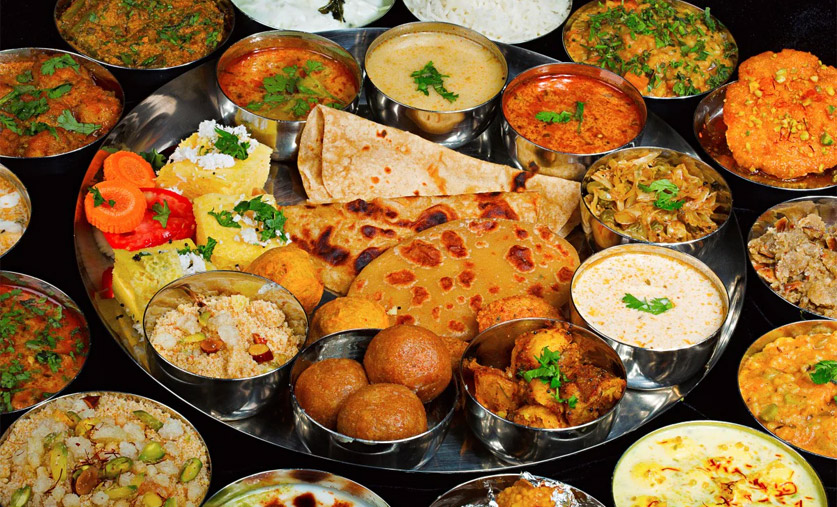
India’s culinary landscape is a treasure trove of flavors, aromas, and traditions, with North India standing out for its rich, diverse cuisine. Known for its indulgent gravies, tandoori-cooked delicacies, and soul-soothing street foods, North Indian food offers a sensory journey for tourists. Whether you are walking through bustling bazaars or dining in royal heritage restaurants, the region promises an unforgettable gastronomic adventure. For first-time visitors and seasoned travelers alike, opting for an old Delhi food tour is one of the best ways to begin exploring the heart of this culinary heritage.
What Makes North Indian Cuisine So Distinct?
North Indian cuisine reflects the history, climate, and culture of the region. With influences from Mughal, Persian, and Central Asian cooking traditions, its dishes are often characterized by rich gravies, use of dairy products like paneer and ghee, and a love for spices such as cumin, coriander, cardamom, and garam masala.
The wheat-dominant north favors rotis, naans, and parathas over rice, and meals are usually accompanied by pickles, curd, and chutneys that add layers of flavor. The preparation techniques, passed down generations, emphasize slow cooking and marination, ensuring that every dish is infused with depth and authenticity.
Must-Try Street Foods of North India
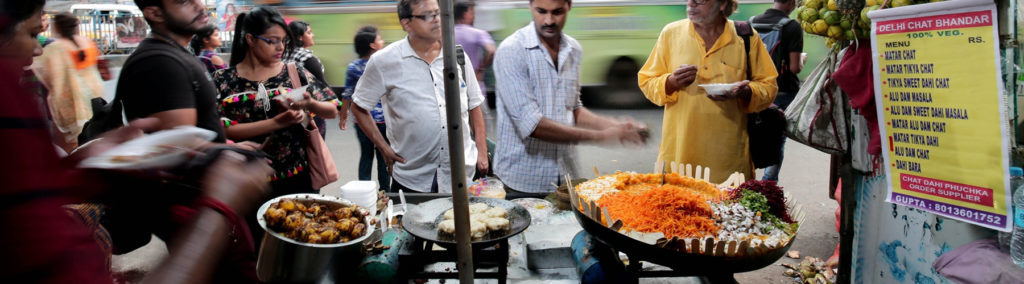
The street food scene in North India is unmatched. Cities like Delhi, Amritsar, and Lucknow have thriving street food cultures that are both vibrant and steeped in history.
Chole Bhature: A classic Punjabi dish, chole bhature pairs spicy chickpeas with deep-fried bread, often served with tangy pickles and onions.
Aloo Tikki Chaat: Crispy potato patties topped with yogurt, tamarind chutney, and a medley of spices make this a beloved snack.
Raj Kachori: A royal treat, raj kachori is a large crispy shell filled with spicy lentils, yogurt, and various chutneys.
Food lovers can experience these delights authentically by exploring local markets, especially those in Chandni Chowk, which is a culinary hotspot in the capital.
Iconic Main Course Dishes Worth Exploring
North India’s main course dishes are hearty, flavor-packed, and deeply satisfying. From vegetarian delicacies to succulent meats, the range is impressive.
Paneer Butter Masala: Paneer cubes simmered in a creamy tomato-based gravy, finished with butter and cream. It's a staple in most North Indian homes and restaurants.
Rogan Josh: A signature dish from Kashmir, this lamb curry is slow-cooked with aromatic spices and yogurt, giving it a distinct red color and rich flavor.
Dal Makhani: Made with whole black lentils and kidney beans, this dish is simmered overnight for a creamy texture and complex flavor.
Tourists seeking to explore a curated menu of such offerings should consider food tour packages in India, which combine regional expertise with personalized experiences.
The Role of Spices and Preparation Techniques
North Indian food is deeply connected with spices—not just for heat, but for aroma and medicinal properties. Spices like turmeric, fenugreek, cinnamon, and bay leaves are not just ingredients; they represent centuries-old traditions rooted in Ayurveda and regional cooking practices.
Slow-cooking methods such as "dum" (sealed pot cooking) and tandoor baking bring out nuanced flavors that are impossible to achieve with fast cooking. Whether it’s the char of a tandoori kebab or the richness of a slow-cooked korma, the result is a dish that tells a story of time, patience, and cultural identity.
Vegetarian and Non-Vegetarian Delights
North India excels in both vegetarian and meat-based dishes, offering something for every palate. The region’s diversity means a variety of cooking styles, ingredients, and influences.
Some noteworthy Dishes of North India include:
Baingan Bharta: Smoked eggplant mashed and cooked with onions, tomatoes, and spices, often enjoyed with roti or paratha.
Butter Chicken: Originating in Delhi, this dish features grilled chicken simmered in a creamy, mildly spiced tomato sauce.
Sarson da Saag and Makki di Roti: A traditional Punjabi winter dish made with mustard greens and served with cornmeal flatbread.
These dishes reflect regional pride and highlight the agricultural roots of North Indian communities.
Sweets and Desserts to End Your Meal
No North Indian meal is complete without something sweet. The region offers a wide variety of desserts that are as indulgent as the main course.
Gulab Jamun: Deep-fried dough balls soaked in sugar syrup, flavored with cardamom and rose water.
Rasgulla and Rasmalai: Soft cheese-based sweets originating from the eastern parts of North India.
Jalebi: A spiral-shaped sweet soaked in syrup, crisp on the outside and juicy on the inside.
These desserts not only satisfy the sweet tooth but also signify celebration and tradition.
Why Food Tourism in North India Is a Cultural Experience
A food tour through North India is more than a culinary journey—it’s a dive into the cultural and historical soul of the region. Every dish, every spice blend, and every cooking technique is tied to centuries of heritage, trade routes, and rituals.
For travelers, tasting these dishes in their place of origin, served by generations of cooks who have perfected their craft, is an experience that no guidebook can replicate. From royal Mughal kitchens to rustic roadside dhabas, North India’s culinary map is as varied as it is fascinating.
By choosing guided food walks, travelers not only taste the food but also hear the stories behind the recipes, learn about regional variations, and gain insights into local life. Whether you're a first-time visitor or a returning food lover, the rich tapestry of North Indian cuisine promises something new with every bite.
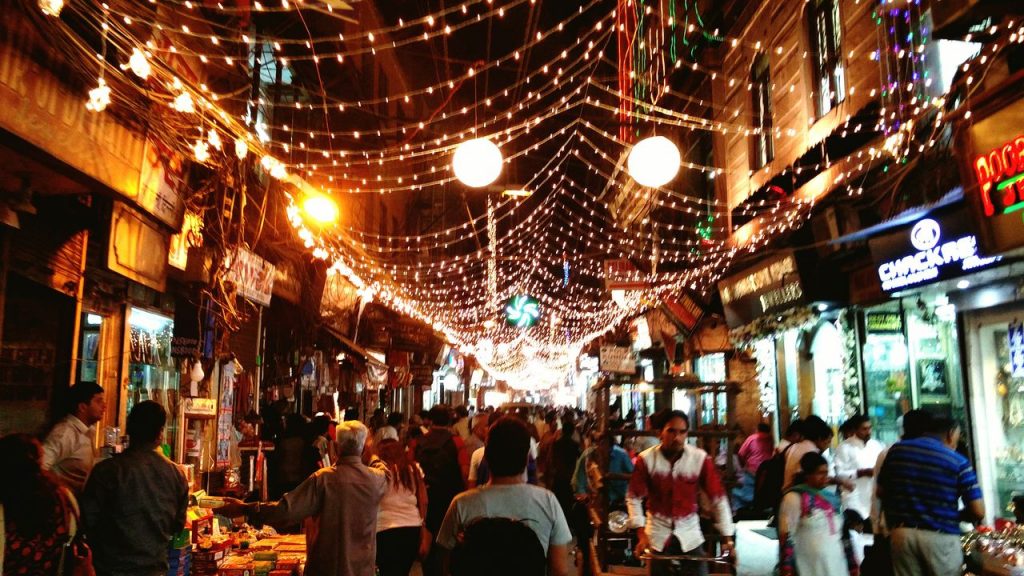
Chandni Chowk is the heart of Delhi.
Chandni Chowk market is one of Delhi's most popular and busy shopping market.
Explore our best Chandni Chowk Tour to Delhi at low cost