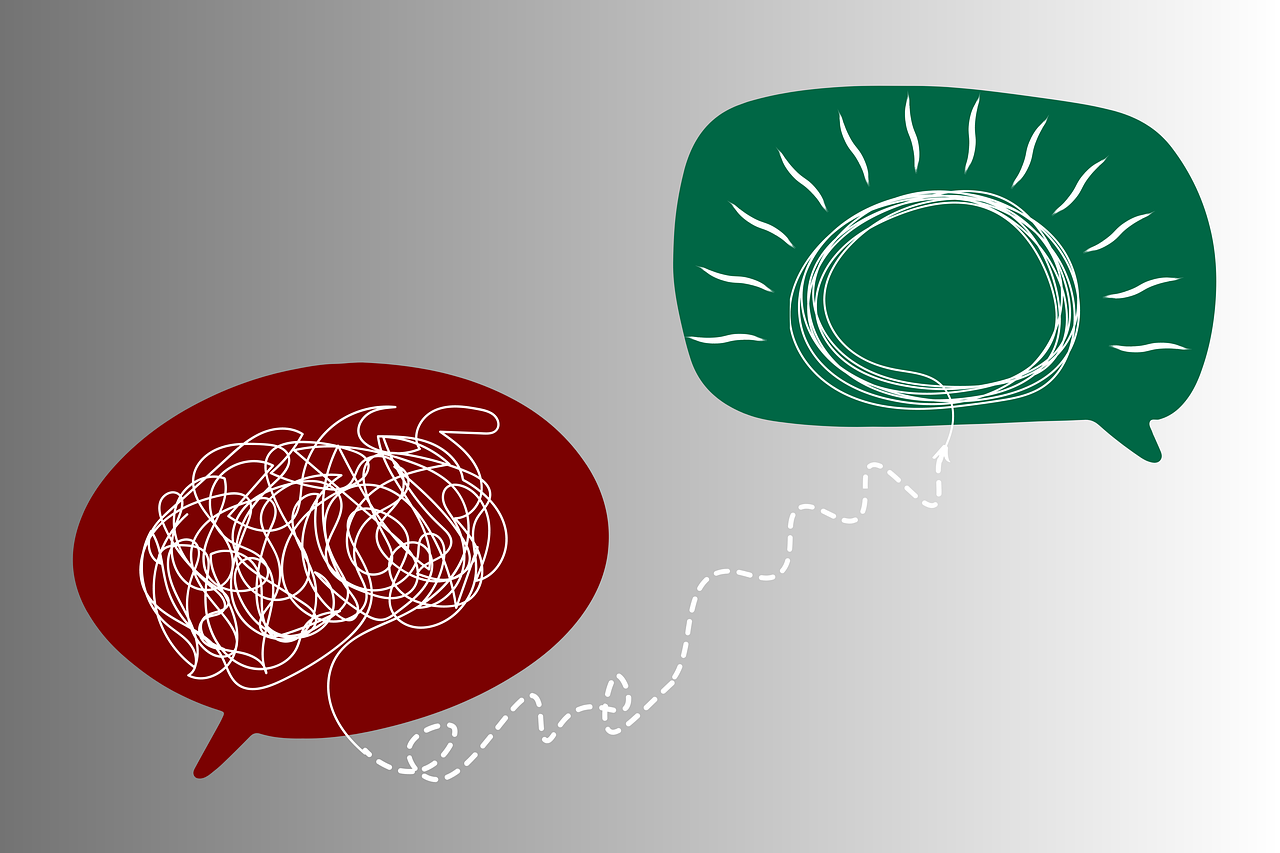
In today’s fast-paced and often stressful world, mental health challenges are becoming increasingly prevalent. Millions of people across the globe struggle with depression, anxiety, bipolar disorder, post-traumatic stress disorder (PTSD), and other mental health conditions. While outpatient therapy and medication management can be effective for many, some individuals require a higher level of care to achieve lasting recovery. This is where residential mental health treatment plays a transformative role.
Residential mental health treatment offers a structured, supportive, and immersive environment for individuals to focus solely on their mental wellness. Unlike outpatient or partial hospitalization programs, residential treatment provides 24-hour care, professional support, and personalized treatment plans designed to address each person’s unique needs.
What Is Residential Mental Health Treatment?
Residential mental health treatment is an intensive therapeutic program where individuals live at a facility for an extended period typically ranging from a few weeks to several months depending on the severity of their condition and progress in treatment.
The goal of residential care is not only to stabilize symptoms but to uncover the underlying causes of mental health struggles and teach practical coping skills for long-term wellness. This setting provides a safe and nurturing space, away from everyday stressors, where patients can engage in comprehensive therapeutic interventions, emotional healing, and behavioral transformation.
Who Can Benefit from Residential Mental Health Treatment?
Residential programs are particularly beneficial for individuals who:
- Experience severe or chronic mental health disorders that interfere with daily functioning.
- Have not responded adequately to outpatient or traditional therapy.
- Need a safe environment free from triggers, conflict, or substance use.
- Struggle with co-occurring disorders, such as mental illness coupled with addiction.
- Require round-the-clock monitoring for safety, medication management, or behavioral stabilization.
Conditions commonly treated in residential programs include depression, anxiety, PTSD, bipolar disorder, personality disorders, trauma-related conditions, and obsessive-compulsive disorder (OCD).
Key Components of Residential Mental Health Treatment
Comprehensive Assessment
Treatment begins with an in-depth psychological and medical evaluation. Clinicians gather information about the individual’s history, symptoms, triggers, and previous treatment experiences. This assessment helps create a customized care plan that aligns with each patient’s needs and recovery goals.
Individualized Therapy
One-on-one sessions with licensed therapists form the foundation of residential care. Modalities may include cognitive-behavioral therapy (CBT), dialectical behavior therapy (DBT), trauma-focused therapy, or psychodynamic therapy. These sessions allow patients to process emotions, identify unhealthy thought patterns, and develop healthier coping mechanisms.
Group Therapy
Group sessions foster a sense of community and belonging. Participants share experiences, provide mutual support, and learn from others who face similar challenges. Group therapy also helps patients practice social and communication skills in a safe, supportive setting.
Medication Management
For individuals requiring pharmacological support, psychiatrists closely monitor and adjust medications as needed. This ensures that the patient receives the right dosage and combination for optimal results.
Holistic and Experiential Therapies
Many residential treatment centers integrate holistic modalities to support overall well-being. These may include yoga, meditation, art therapy, equine therapy, mindfulness training, and physical fitness programs. Such therapies help reduce stress, improve emotional regulation, and promote self-awareness.
Family Involvement
Family therapy and educational sessions are crucial in helping loved ones understand the patient’s condition and learn how to provide healthy support. Family involvement also strengthens the home environment for a smoother transition after discharge.
Aftercare and Continuing Support
Recovery does not end upon leaving the facility. Reputable residential programs provide aftercare planning that may include outpatient therapy, support groups, medication management, and life coaching. Continued support is vital to maintain progress and prevent relapse.
The Benefits of Residential Mental Health Treatment
Residential care offers numerous advantages over outpatient or community-based approaches:
24/7 Supervision and Support: Continuous access to trained professionals ensures safety and immediate intervention if a crisis arises.
Structured Environment: Daily routines and therapeutic schedules provide stability, which is crucial for individuals struggling with mood or behavioral disorders.
Comprehensive Treatment Approach: By addressing emotional, psychological, physical, and social aspects of health, residential care promotes holistic healing.
Removal from Triggers: Living in a controlled environment eliminates exposure to daily stressors, toxic relationships, or environments that may hinder recovery.
Peer Support: Being surrounded by others on a similar journey fosters connection, understanding, and encouragement.
Skill Development: Patients learn valuable coping techniques, emotional regulation strategies, and relapse prevention tools that they can apply long after treatment ends.
Choosing the Right Residential Mental Health Facility
Selecting the right residential treatment center is an important step in recovery. Consider the following factors when making a choice:
Accreditation and Licensing: Ensure the facility is accredited by recognized mental health organizations and staffed by qualified professionals.
Treatment Philosophy: Some centers emphasize evidence-based practices, while others focus on holistic or spiritual healing. Choose a philosophy that aligns with your values and needs.
Specialization: If you or your loved one struggles with specific conditions such as trauma, eating disorders, or dual diagnosis, select a center with expertise in that area.
Individualized Care Plans: Look for programs that tailor treatment to the individual rather than offering a one-size-fits-all approach.
Environment and Amenities: The comfort, privacy, and overall atmosphere of the facility can greatly influence the healing process.
A Path Toward Renewal and Stability
Residential mental health treatment represents a vital opportunity for individuals to rebuild their lives in a structured, compassionate, and therapeutic environment. It provides the time, space, and professional guidance necessary to confront underlying issues and cultivate emotional resilience.
For many, entering a residential treatment program marks the beginning of a new chapter one defined by hope, healing, and empowerment. By addressing the root causes of mental illness and developing tools for lasting wellness, individuals can emerge stronger, more self-aware, and ready to live fulfilling lives.
If you or someone you love is struggling with mental health challenges, reaching out for help is the first and most important step. Residential mental health treatment can be the bridge between crisis and recovery, leading to a healthier, more balanced future.