A water heater plays a vital role in our daily comfort—whether it’s a hot shower in the morning or washing dishes after dinner. But like every appliance, water heaters have a limited lifespan. When the time comes for a water heater replacement, understanding the process, costs, and key considerations can save you both time and money. This guide explains everything you need to know about changing your water heater efficiently and safely.
When Do You Need a Water Heater Replacement?
Most traditional water heaters last between 8 to 12 years, depending on the model, water quality, and maintenance. If your heater is nearing that age, it may start showing signs that it’s time for a replacement. Some of the most common indicators include:
Inconsistent or no hot water: If your water heater no longer provides a steady supply of hot water or takes too long to heat, it may be failing.
Rusty or discolored water: Corrosion inside the tank can lead to rusty water, which not only looks unpleasant but can also damage your plumbing.
Strange noises: Rumbling or banging sounds often mean sediment buildup inside the tank, reducing efficiency.
Leaks around the heater: Even small leaks are a sign that your water heater is deteriorating and should be replaced soon.
If you notice one or more of these symptoms, it’s a clear sign that changing your water heater should be your next home improvement step.
Choosing the Right Type of Water Heater
Before beginning your water heater replacement, you’ll need to decide on the best type of unit for your home. Today, there are several options, each offering unique benefits.
Conventional Storage Tank Water Heaters:
These are the most common and budget-friendly models. They store a specific amount of hot water, ready for use. However, they require more energy to maintain the water temperature.
Tankless (On-Demand) Water Heaters:
Ideal for energy efficiency, tankless heaters heat water only when you need it. They save space and last longer, though their installation cost is higher than traditional models.
Heat Pump Water Heaters:
These use electricity to move heat from the air or ground to warm the water, offering significant energy savings.
Solar Water Heaters:
If you live in a sunny region, solar water heaters can reduce your energy bills drastically while being eco-friendly.
Selecting the right system depends on your household size, water usage, and budget. A professional plumber can help you evaluate which type best fits your needs.
Steps Involved in Changing Your Water Heater
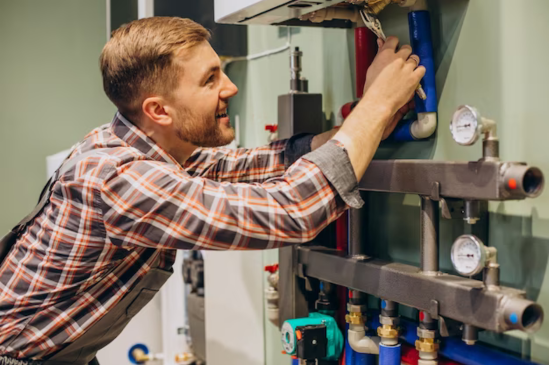
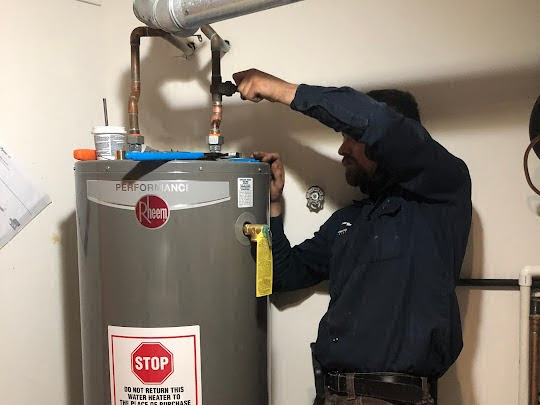
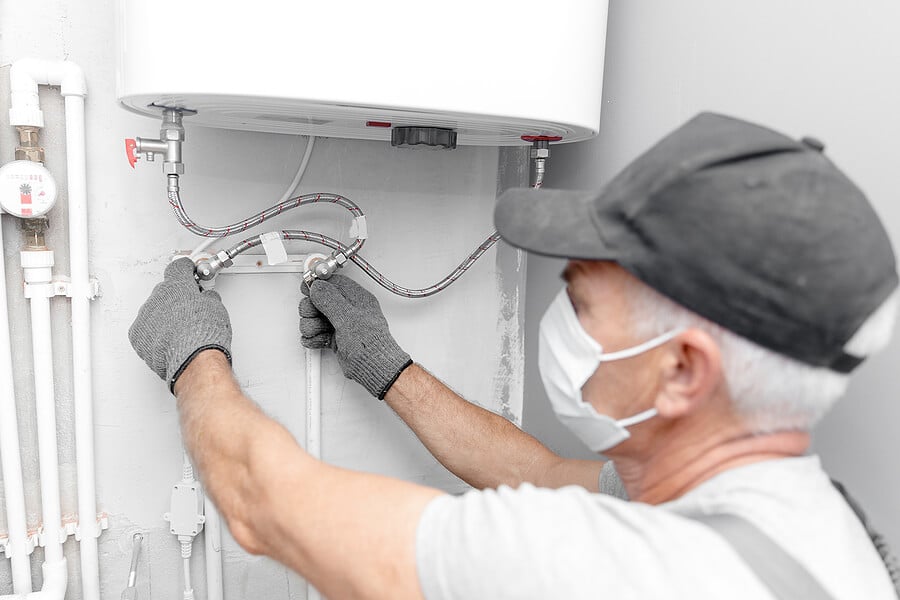
While some homeowners may consider changing a water heater themselves, it’s generally safer and more efficient to hire a licensed plumber. However, understanding the basic process helps you know what to expect.
Turn Off Power and Water Supply:
Whether it’s an electric or gas unit, the first step is to safely disconnect the power source and shut off the water supply.
Drain the Tank:
The existing water heater is drained completely to prevent spills and make removal easier.
Disconnect Old Unit:
The old tank is detached from water lines, power, and venting systems.
Position the New Water Heater:
The new unit is carefully placed and leveled to ensure proper function.
Reconnect Lines and Power:
The plumber connects the new water heater to existing plumbing and power sources, ensuring all fittings are tight and leak-free.
Testing and Inspection:
After installation, the system is filled with water and tested for leaks and heating efficiency.
This entire process usually takes between two to four hours for a straightforward replacement.
Benefits of Replacing an Old Water Heater
Investing in a new water heater provides more than just hot water—it offers peace of mind and long-term savings. Here are some key advantages of a water heater replacement:
Energy Efficiency: Newer models are designed to consume less energy, lowering utility bills.
Consistent Hot Water Supply: Say goodbye to cold showers or running out of hot water mid-use.
Reduced Maintenance: Modern heaters require less frequent repairs and cleaning.
Enhanced Safety: Replacing an aging unit reduces the risk of leaks, corrosion, or even explosions caused by pressure build-up.
Better Technology: Smart water heaters now allow you to monitor temperature and energy use through mobile apps.
How to Extend the Life of Your New Water Heater
Once you’ve completed your water heater replacement, maintaining your new system properly will help it last longer. Schedule an annual inspection to flush out sediment buildup, check the anode rod, and inspect for leaks. Regular maintenance ensures optimal performance and prevents premature failure.
Final Thoughts
Changing your water heater is a significant home upgrade that improves comfort, safety, and energy efficiency. Whether you’re replacing an outdated unit or upgrading to a modern, tankless system, understanding the process and benefits helps you make an informed decision. Always work with certified professionals to ensure proper installation and long-lasting results.
A well-chosen and properly installed water heater can serve your household efficiently for years—making it one of the smartest investments in your home’s comfort and value.