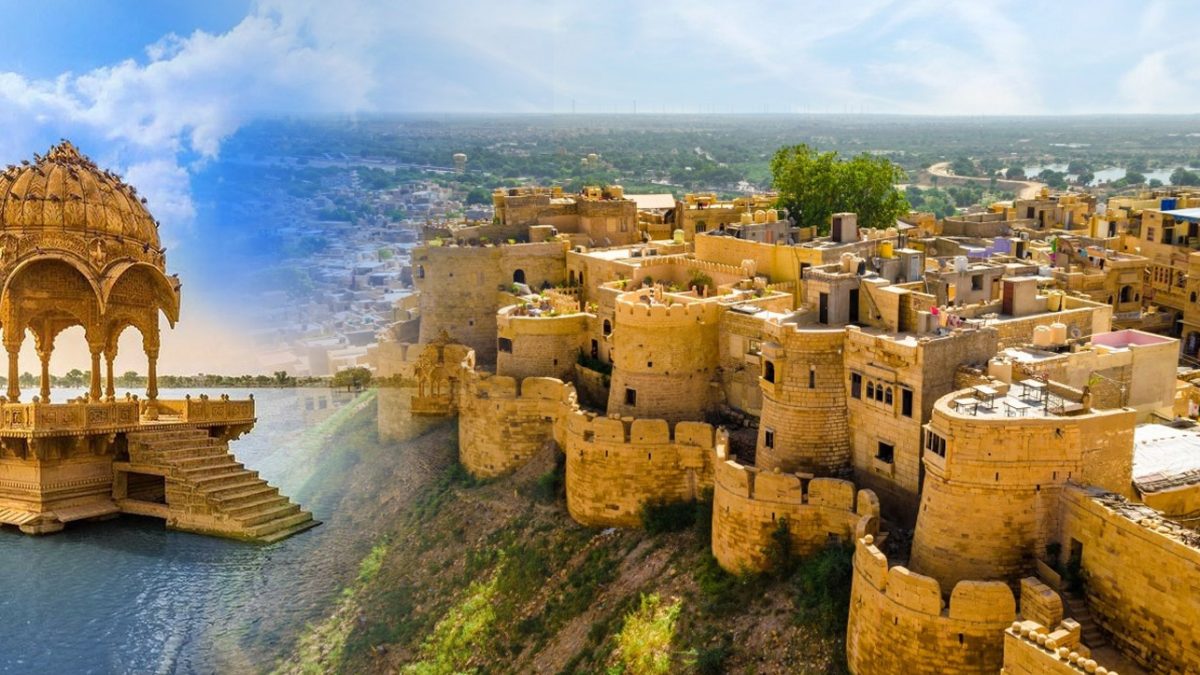
When winter settles over Rajasthan, the Golden City of Jaisalmer transforms into an enchanting retreat. With temperatures dipping to a comfortable range between 7°C to 25°C, it becomes an ideal time for travelers to uncover its lesser-known charms. Away from the scorching summer heat and monsoon humidity, Jaisalmer's winter appeal lies in its desert breeze, amber sunsets, and a quiet charm that only this season can deliver. For those seeking authentic desert experiences, the best place to start is through a trusted Tour operator in Rajasthan who understands the nuances of seasonal travel in this historic region.
Winter Mornings in the Fort City
Imagine stepping out at dawn to see the sun cast a honey-gold glow on the ancient Jaisalmer Fort. Known as Sonar Quila, this living fort is home to over 3,000 residents and offers more than just architectural brilliance. During winter, the crisp air enhances the sense of wonder as you wander through narrow alleys flanked by sandstone havelis. The peaceful atmosphere during this season allows for unhurried exploration of landmarks like Patwon Ki Haveli and Salim Singh Ki Haveli, each adorned with intricate carvings and local artistry.
Local guides, often descendants of the very craftsmen who built these marvels, offer insights that no generic tour guidebook could. Their experience, rooted in family traditions and personal stories, adds depth to the visit, making your trip more than just a sightseeing journey—it becomes a cultural immersion.
Desert Evenings and Starry Nights
As the day draws to a close, the Thar Desert takes center stage. Winter evenings in the dunes are nothing short of magical. The cool air carries the sound of folk music as local musicians gather around campfires. Camel safaris at this time of year are especially pleasant, with the chill in the air adding an invigorating touch to your ride through undulating sand dunes. Travelers can experience the full spirit of the region through the Rajasthan Desert Adventure Tour, which blends desert camping, adventure sports, and cultural performances into a memorable four-night itinerary.
The clear winter skies offer perfect stargazing opportunities. Campsites around Sam and Khuri village go beyond offering tents—they create an atmosphere of quiet solitude, away from the urban buzz. Authentic Rajasthani meals served under the stars make these desert nights feel both grounding and ethereal.
Cultural Festivals and Local Flavors
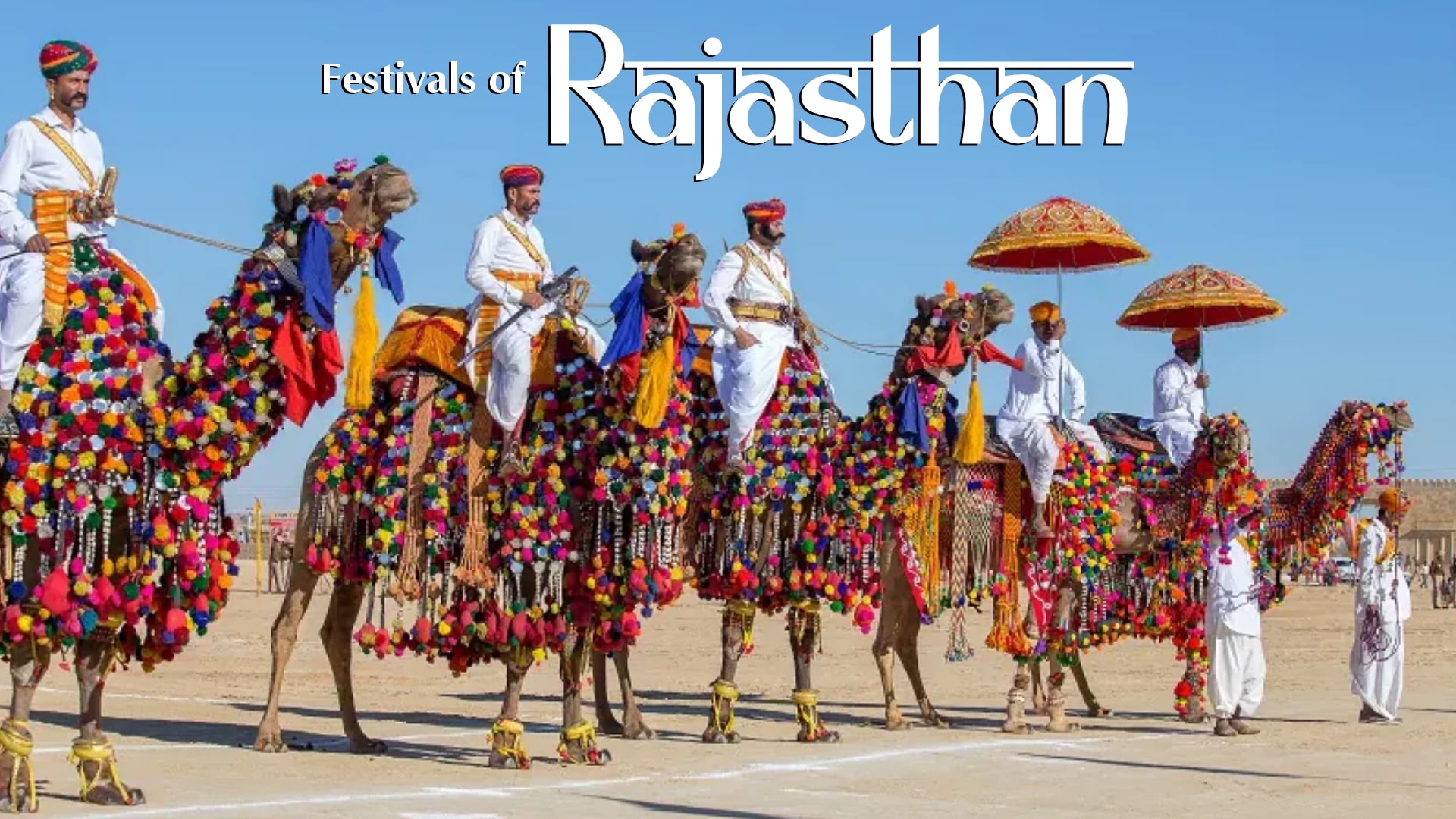
Winter is festival season in Jaisalmer. The Desert Festival, typically held in February, draws travelers and photographers alike. Unlike the crowded fairs of larger cities, this celebration remains relatively intimate. Traditional attire, camel races, and folk dance performances reflect the pride of desert culture. It’s also a great time to sample seasonal Rajasthani cuisine—think steaming bowls of gatte ki sabzi, ker sangri, and makki ki roti served with freshly churned butter.
Beyond the festivals, local artisans open up their homes and workshops to curious travelers. From leatherwork to embroidery, the skills passed down through generations come alive in these community interactions. Winter gives tourists the comfort to walk through these artisan districts during the day, learning not just about the crafts but also the communities that sustain them.
The Silent Beauty of the Gadisar Lake
Gadisar Lake, a man-made water reservoir that once served as Jaisalmer’s primary water source, becomes a tranquil retreat during winter. Early mornings here offer sights of migratory birds, making it a favorite spot for birdwatchers and solitude seekers. The historic temples and chhatris surrounding the lake are mirrored perfectly in its still waters, creating postcard-perfect reflections. A slow paddleboat ride on a winter afternoon can be both calming and visually rich.
This serene destination also doubles as a sunset viewpoint, with the surrounding ghats lighting up in amber and rose hues as the sun dips below the desert horizon. Unlike summer months when the heat keeps most tourists indoors, winter encourages visitors to spend time outdoors, absorbing the lake’s quiet poetry.
Discovering Hidden Heritage
While Jaisalmer Fort draws most of the attention, winter offers the best time to explore lesser-visited gems like the Bada Bagh cenotaphs and the Kuldhara ghost village. These sites, located a short drive from the main city, are often skipped in high-season rush. In winter, the reduced crowd and clear skies make for a more contemplative experience. The breeze that sweeps through these historical ruins seems to whisper stories of the past.
A carefully curated Rajasthan Heritage Tour
ensures that travelers get to experience not just the big landmarks, but also the quiet corners where Jaisalmer’s soul truly lives. From forgotten stepwells to medieval Jain temples, winter opens up opportunities to explore with comfort and curiosity.
Why Winter in Jaisalmer Feels So Different
There’s something transformative about visiting Jaisalmer in the colder months. The very landscape that feels harsh and relentless in summer becomes welcoming and nurturing in winter. The sand cools, the winds calm, and the city slows down in a way that allows travelers to truly connect—with the place, its people, and its history.
Unlike more commercial destinations, Jaisalmer retains its authenticity. It is in the smiles of the camp hosts, the warmth of the shopkeepers offering spiced tea, and the genuine storytelling of local historians. This sense of trust and cultural continuity forms the core of a travel experience aligned with the values of trustworthiness and authoritativeness.
Winter doesn’t just make Jaisalmer bearable—it makes it beautiful. And for those willing to step off the beaten path, the city reveals a version of itself that is far richer, far quieter, and far more profound than any travel brochure can capture.
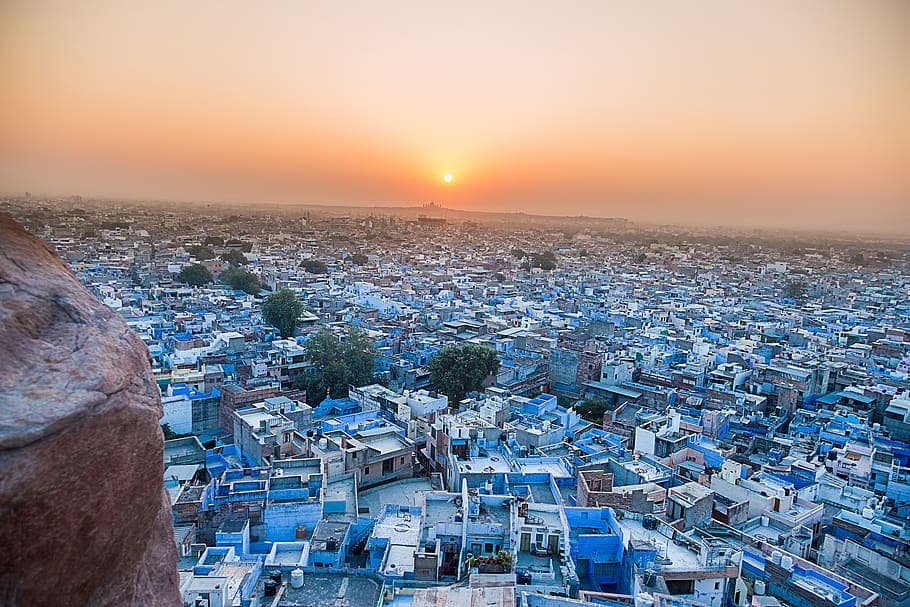
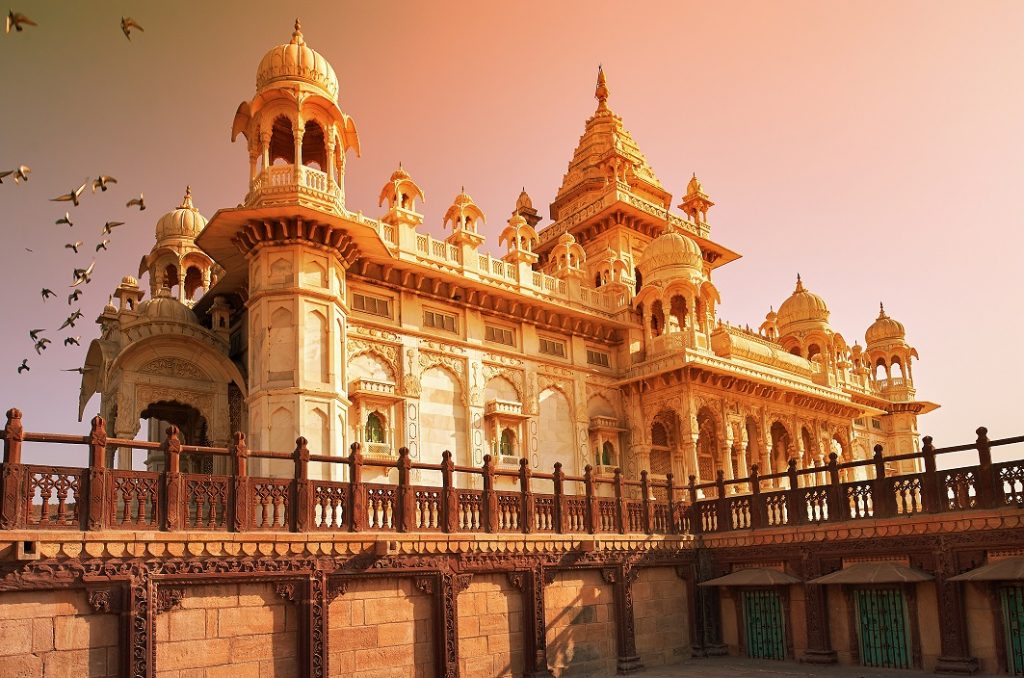
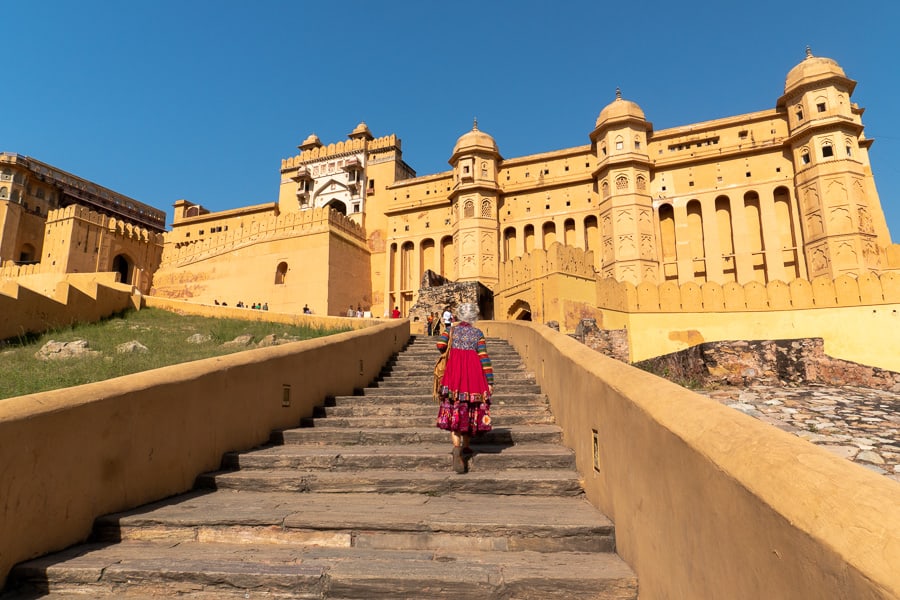
And if you want solo trips then also it will be amazing expirence.you can do it by Best Travel Agency in RajasthanHere Are 10 Reasons Why You Should Visit Rajasthan-Rajsathan wildlife tours-Apart from its heritage culture rajsathan is also famous for its wildlife tours Sariska Tiger Reserve in Alwar Ranthambore national park in madhopur this tour of wildlife will give you brief Understand of wildlife nature and its nature.
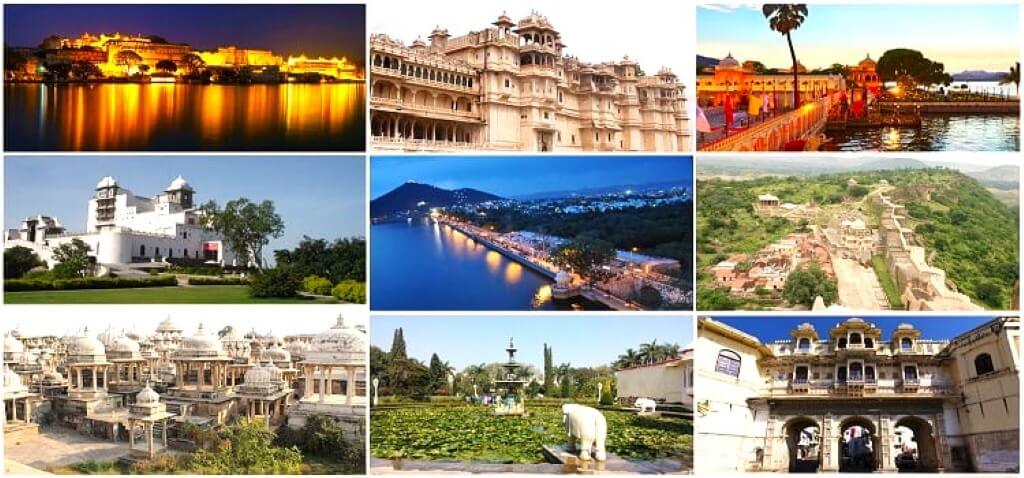
Lakes-There are several lakes in rajasthan which is heart of the city City, enjoys a popularity like no other.
An artificial freshwater lake, it houses two islands, Jag Niwas and Jag Mandir.
One can also find the Fateh Sagar.4.Culture-Undoubtedly, Rajasthan is one of the top cultural States in India.
The people here are adorned in brightly colored costumes called “angarakha” and “Ghaghara”.
Cuisine of the state involves foodstuff like buttermilk, “khud khargosh” (rabbit meat), “dal baati churma”, “gatte ki sabzi”, etc.