The installation of fire protection systems is one of the most critical investments a property owner can make. Among the invaluable fire safety measures one can take, automatic sprinkler systems rank as the most efficient for managing and extinguishing fires during the initial stages. These technologically advanced and engineered devices have, over the years, provided dependable fire protection to residential, commercial, and industrial properties.
The Science Behind Automatic Fire Suppression
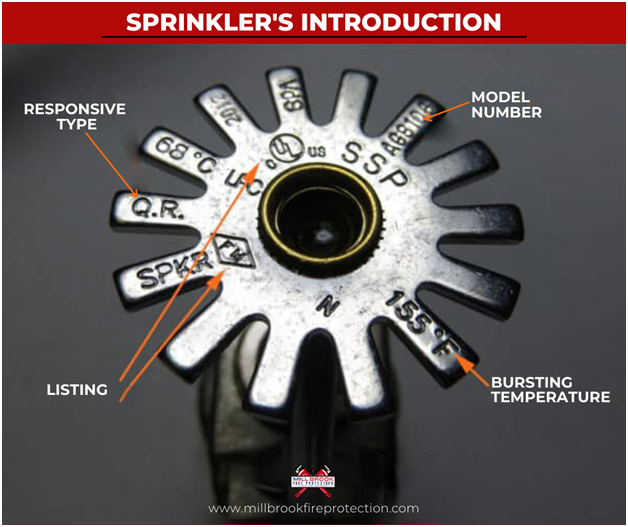
Water-based automatic fire suppression systems are designed using the principles of heat detection and hydraulics. In the event of a fire, one of the thermal elements in each sprinkler head to the fire activates the heat detection system, and releasing the water to extinguish the fire is performed automatically. The heat detector activates between ranges of 135 to 165 degrees Fahrenheit. The device is designed to melt or break, allowing the fire suppression system to activate. The fire sprinkler systems designed and installed today are able to provide automatic protection to residential, industrial and commercial buildings.
Careful consideration of systems necessitates considering water pressure, calculating the diameter of the pipes, and establishing the distance needed between pipes to maintain the needed coverage for the protected zone. The hydraulics of the system determine the available water pressure and the supply needed to cover an area with a specific water application and to meet the requirements for potential fire zones. The hydraulics must be accurate for each sprinkler head to manage or put out the fire for the area of the head's coverage, which is between 100 and 200 square feet, depending on the risk classification.
Modern Protection Systems Components and Infrastructure
Complete systems for fire suppression consist of a multitude of elements that are connected to each other and that are organized to work cooperatively. The system's foundation is the source of water supply, which is either the city’s water pipes, towers filled with water, or custom-built fire pumps. The system’s main riser assembly acts as the system's heart, as it is where the most vital parts of the system are found, including the main control valve, alarm check valve, and the system pressure gauges that maintain the system's measurement.
The entire building is fitted with a pipe network that branches out to smaller diameters at each sprinkler head. These pipes must not only withstand the constant pressure of water but also avoid corrosion and blockage. During recent installations, a variety of piping materials have been used, including black steel, galvanized steel, and CPVC plastic. These metals and the building codes determine what materials be used for each specific applications.
There are also a variety of sprinkler head designs for specific settings and aesthetic integration. Heads can be pendant when pipes are ceiling mounted and hang from the ceiling, upright when pipes are below the ceiling, or sidewall versions which attach to a wall in a place where ceiling installation is not possible. Concealed heads are also an option, hiding behind a decorative plate that drops with the head to activate it.
Types and Configurations for Different Applications
The wet pipe system is the most common and straightforward of all sprinkler systems, which keeps water under pressure the entire pipe network. These systems are most effective in warm fittings and environments where freezing is not an issue. Since they are simple in design, they also require no maintenance which is why they are most common in class A office buildings, schools, and hospitals.
To protect unheated areas where the water may freeze and cause pipes to burst, dry pipe systems take a unique approach. Rather than water, these systems insert pressurized air or nitrogen into the pipes, and a dry pipe valve holds back the water supply. Once a sprinkler head opens, the pressure drop activates the valve and water is released into the system. While dry pipe systems may take a few extra moments to deliver water, they remain vital in freeze-prone areas, such as warehouses or parking garages.
Pre-action systems integrate both wet and dry configuration systems in that they require two triggers before water is released: activation of the sprinkler system and head. Since this dual-action system is designed to prevent inadvertent discharge, they are ideal for protective systems in places where the environment is fragile, such as data centers, museums, libraries and archives. In these areas, the damage that could result from a water discharge is monumental.
Deluge systems have open sprinkler heads and no heat sensing elements. Deluge systems are designed to release water all at once in a specified area when the system is triggered. These systems are used in high-hazard areas such as chemical processing plants, aircraft hangers and power generation facilities which have rapid fire spread and need fast and thorough suppression.
Professional Installation Considerations and Standards
Installing fire protection systems requires advanced competency, technical skill, and the ability to follow and implement complex codes and standards. Licensed contractors interpreting local building codes, NFPA standards, and insurance requirements, as well as advancements in the workmanship necessary to complete complex installations, is a requirement. When designing a system, the architect integrates detailed fire protection system design drawings, hydraulic calculations, and equipment specification sheets.
Certified Fire Sprinkler installation in Toronto requires a knowledge of the Ontario Building Code requirements, Ontario Fire Code regulations, and Greater Toronto Area municipal bylaws. Professional installers must make sure that all standards are met or surpassed, securing the proper permits, and system design coordination with local fire authorities. Toronto is a particularly complex region in Canada with a diverse and dense-infrastructure ranging from background historic buildings and modern high-rises as well as ladders of civic infrastructure which require adaptable installation.
Integration and cooperation with other systems to prepare the site illustrates the need for leading design coordination. Sprinkler system pipes interact with and are routed around and integrated in the structure with HVAC ducts, electrical conduits, and other architectural systems. Such systems are also designed for advanced future maintenance and monitoring as well as for the various code and legal structural requirements, seismic controls and system element loads. All joints, fittings and connections in a system are pressure tested to ensure that no leaks are present before the system is commissioned for use.
Regional Installation Excellence and Local Expertise
Even outside the perimeter of the country's largest metropolitan area, nearby communities require the services of specialists in fire protection. Choosing Fire Sprinkler Installation in Hamilton involves similar attention to the provincial codes, but also to the characteristics of an industrial and residential centre. Hamilton presents unique challenges to the installation of fire protection systems, given the variety of its manufacturing and health facilities, educational institutions, and residential communities.
Local installers serving Hamilton and the surrounding communities need to deal with the entire range of occupancy and use classifications, from light hazard residential to extraordinary hazard industrial installations. They also manage the development approvals interface with the Hamilton Fire Department; coordinate with local waterworks to ascertain supply adequacy; and ensure compliance with underwriting for insurance, which often exceeds the code minimums.
Installation in both urban and suburban environments has phases that depend on the owner of the facility, property managers, and construction teams. Specialists in the discipline work to the planned schedule, and keep the use and work of the facility uninterrupted. They train users on the operation of new systems, and maintenance procedures. Fire protection is more than adding a few pipes. It means integrating sprinkler systems with fire alarms, emergency lighting, and the procedures for building evacuation.
Maintenance Requirements and System Longevity
The appropriate maintenance of fire protection systems allows them to remain functional and operative for decades. Maintenance tasks of this nature consist of routine weekly, monthly, quarterly, and annual inspections. Weekly inspections ensure that no obvious issues arise, such as broken heads, leaking valves, and blocked sprinklers. Monthly inspections ensure that alarm devices work as intended and quarterly ones evaluate the system for corrosion or mechanical defects and systems of springs for deterioration.
Comprehensive annual inspections assigned to certified staff touch on every system component described and evaluate them in more detail. Inspectors evaluate alarm check valves, supervise main drain flows, and control valves. It is their duty to ensure the effectiveness and accuracy of gauges, to check pipe hangers and system supports, and to sprinkler heads ensuring that no control of them is loss. To maintain the system’s dependability and code compliance, any problems of this nature must be resolved.
The inspections are meant to evaluate and determine if there is blockage, corrosion, or foreign materials in the system that will impede water delivery. Evaluation of the systems of the pipes will require the removal of certain sections of the pipes. Depending on the results of any of the inspections, the system of the pipes will need to be flushed or be completely replaced to achieve optimum performance, or to restore it.
The replacement of sprinkler heads is somewhat aged dependent. Manufacturer instructions and exposure to specific environments will dictate how often heads are exchanged. Any heads that are painted, corroded, or art mechanically altered will need replacement immediately and the new heads must be of the same specifications. Spare heads should be on hand in an accessible cabinet for prompt replacement and system operational overrides.
Regularly scheduled testing is the only way to guarantee that a fire protection system will work in an emergency. Flow testing works to determine whether adequate pressure and volume of water is delivered to all sprinkler heads or if adjustments need to be made. Over the years, testing has shifted to a more proactive instead of reactive approach. This is where identifying system degradation and prompt corrective action comes into play.
Certified testers must annually verify that backflow prevention devices will effectively protect potable water. This is done through routine tests and detailed reports for the owners and water authority. these tests also check to ensure all internal components are functioning and operational to prevent contamination from sprinkler system water.
Maintaining standards and compliance with testing and repair documentation has become a routine request from insurance companies and authorities. Continuous electronic systems monitor critical parameters and alarm for deviations. This streamlines the documentation needed for compliance and tests, further fostering assurance.
Integration with Building Management Systems
More interconnected components and automated activities across fire protection components and management systems allow for more sophisticated systems to support customized management options for organizational control structures. Smart sprinkler systems merge functionality with fire alarm systems, controls for HVAC systems, and components of the security systems for coordinated emergency response. Systems automatically respond to integrated smart sprinkler systems by shutting down air handlers, controlling es-cape route door lock mechanisms, controlling elevator recall and floor landing, and dispatching 911 calls when gold sprinkler systems activate.
Recent and advanced systems incorporate real time communications capability to transmit information on system pressure variables, flow velocity, control valve positions, and activate alarm states on demand. In the cloud, system data can be monitored from any place at any time. Such monitoring enables system managers to contact systems and determine state integrity, respond to alerts, and system issues promptly. Tracking historical data enables progressive analysis establishing patterns leading to problems that may develop and reduce system reliability.
Integration with emergency communication systems enables automatic triggering of voice instructions and visual alerts across the building when gold sprinkler systems activate. This allows faster and more organized evacuations by informing occupants of the emergency and reducing panic during critical situations.
Cost Considerations and Long-term Value
Costs for initial installations differ due to variance in the scale of the building, occupancy classification, type of sprinkler system, and local conditions. For example, residential sprinkler systems range between three to seven dollars per square foot, while commercial installations cost five to fifteen dollars per square foot. Moreover, high-hazard industrial applications might significantly exceed these price ranges due to the incorporation of specialized equipment and design requirements.
When considering long-term value, these types of investments offer value in multiple ways. For starters, rental properties with properly maintained sprinkler systems in place see a fifteen to thirty percent reduction in insurance premiums which constitutes ongoing savings for the building's entire life. Also, property values increase because the safety features and insurance cost-to-value ratio make the properties more desirable to buyers and tenants.
Finally, and most significantly, sprinkler systems reduce the loss due to a fire. Sprinkler systems are effective in controlling or extinguishing a fire ninety-six percent of the time. As a result, there is a tremendous value in the preservation of property, prevention of business interruption, life savings, and most importantly the installation and ongoing maintenance makes fire suppression systems one of the most cost-effective safety investments.
Environmental Considerations and Water Conservation
In modern fire protection design and implementation, there is an increasing focus on concern for the environment, while maintaining fire safety effectiveness. Water mist systems spray fine droplets and, therefore, use significantly less water than conventional sprinklers. This translates to less water being used and less potential water damage. These systems are especially useful in locations where water is a precious, limited resource, and in situations where water damage is a greater concern than the fire itself.
Use of recycled and reclaimed water for fire protection systems in some cases reduces the use of potable water. Fire protection tanks with rainwater harvesting systems are a dual-purpose system where fire suppression during an emergency is a fire protection system and the water can be used for routine irrigation.
System design and resource management strategies can minimize designing for environmental waste by accurately assessing the protection required for the real hazards. Water waste is avoided by regular maintenance and systems are designed to efficiently operate when needed. These cases show that fire protection and concern for the environment can coexist and be complementary.
Advancements in Fire Suppression Technology
The use of new technologies in fire protection systems has great potential for improving efficacy while minimizing cost, installation effort, and ecological consequences. Wireless control modules remove the need for extensive control wiring, making systems easier to install and modify, and making alterations far less costly. New materials and new technologies, such as composite piping, which is lighter and resistant to corrosion as compared to steel piping, is also helpful in simplifying installation and reducing ecological consequences.
More and more artificial intelligence systems are capable of analyzing patterns in system utilization, and predicting potential system failures for several/one next system utilization cycles, which may be predicted/forecasted and requires maintenance. Prediction of borderline states will reduce the risk of unexpected system impairments and the need for maintenance during periods close to utilization. New smart sprinkler heads, capable of enabling more accurate/efficient fire detection and suppression which will be more effective in reducing collateral water damage, may be developed in the future.
The development of new fire suppression agents which are less water damaging and more environmentally friendly will impact further fire control research. Methods of hybrid fire suppression which utilize gaseous agents, foam, and other methods, will improve fire control for certain hazards compared to water exclusion. The development of the aforementioned technologies will improve the safeness of several parts of people and commercial property during fire.
Conclusion
Fire sprinkler systems represent a mature, proven technology that has saved countless lives and protected an immeasurable amount of property. Over a century, sprinklers have undergone numerous developments and refinements. The underlying principle of the system remains the same but simple: the system detects heat and sprays water to extinguish or control a flame before it spreads. However, there is more to it than that. The engineering, installation, and maintenance of the system is so sophisticated that it still performs because of and is needed during an emergency.
For new construction or retrofitting, a quality protection system is a tremendous safety value for property owners and facility managers. The system protection is a passive system and is functioning automatically and unnoticeably to the human eye. Choosing the right contractors and insisting on systems that are installed to the code and maintained to standard enables the value system to function without human intervention.
New technology for building systems, advanced monitoring, and new alternatives for fire suppression improve the effectiveness of fire protection systems. With more complex and denser building systems reliance on fire sprinkler systems for automatic fire suppression systems grow. They serve as protection for people and communities from the destructive and oldest fire threats.
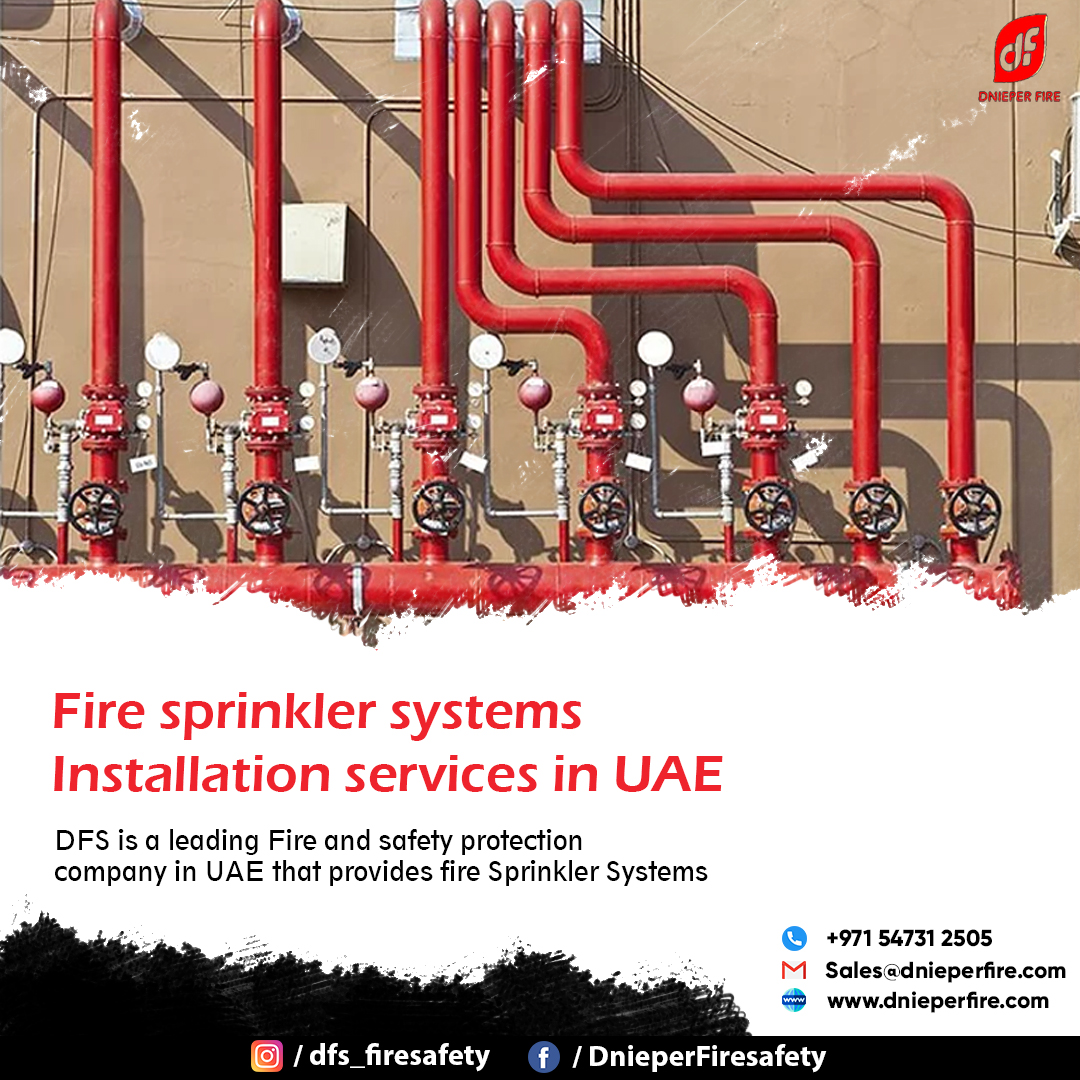
DFS is a leading Fire and safety protection company in UAE that provides fire Sprinkler Systems Installation and maintenance Services in UAE.https://www.dnieperfire.com/sprinklers-system
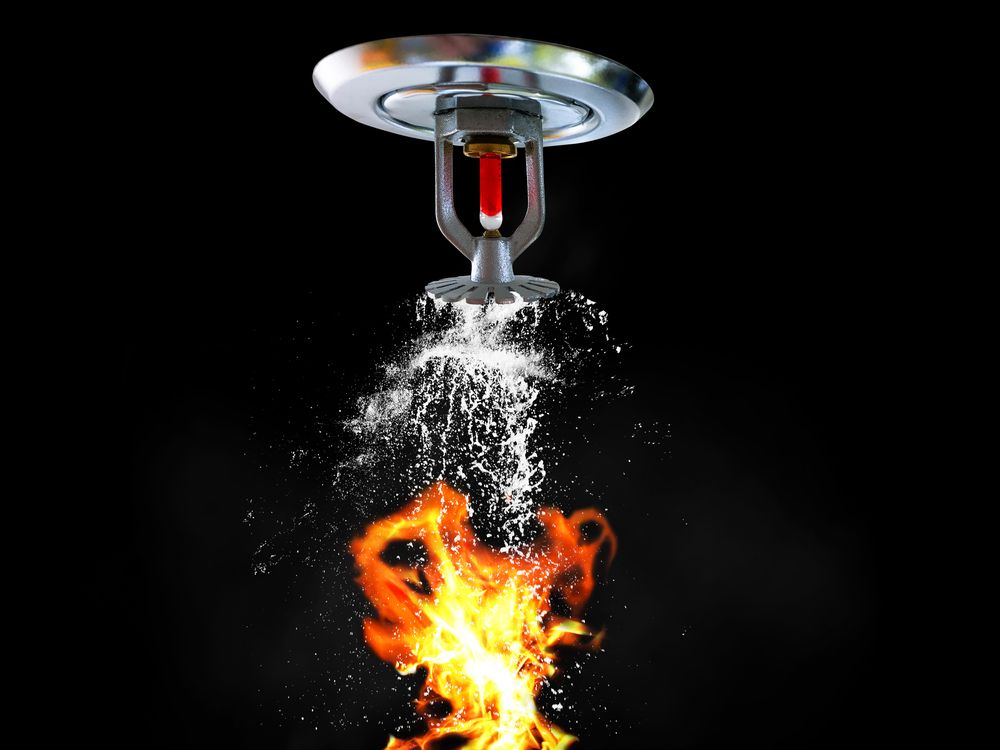
A vast majority of the fire sprinkler inspection report contain a glass bulb that is filled with a glycerin-based liquid.
After coming in contact with the heated air, this liquid expands which eventually shatters its glass confines.
Finally, the sprinkler head is activated.
As a result, the damage caused by the water is only limited to a small area where there is the emergence of fire.