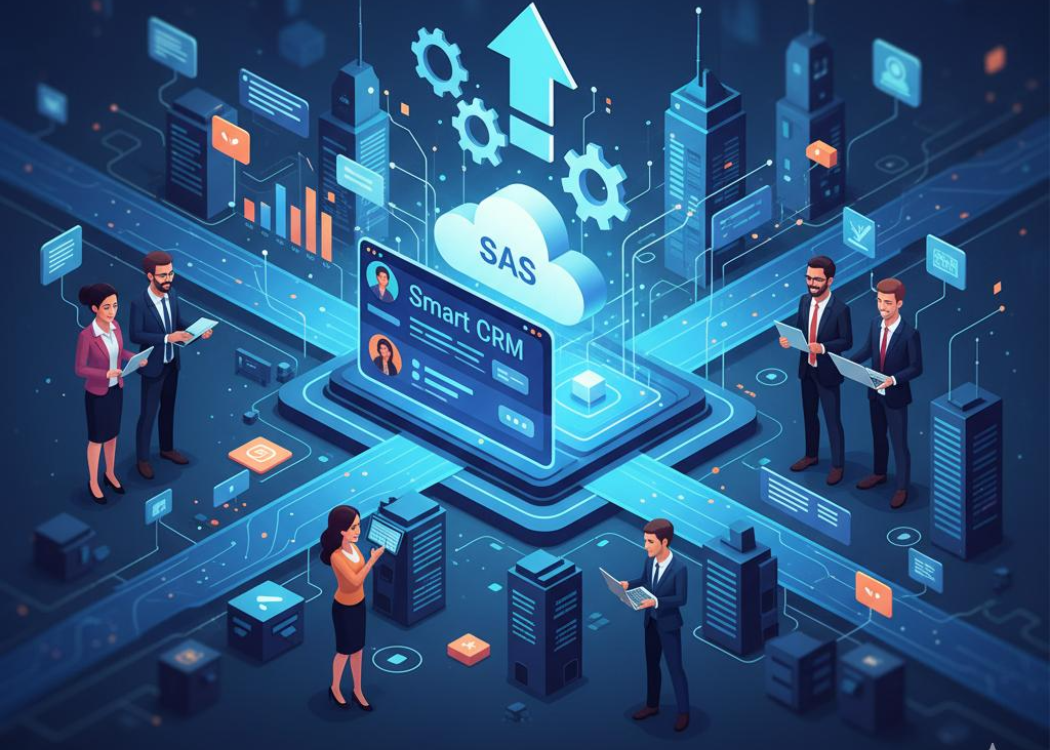
Customer Relationship Management (CRM) has evolved from a simple contact management tool into a sophisticated ecosystem that drives business growth and customer loyalty. As markets grow increasingly competitive, companies are shifting toward smarter and more efficient systems. This evolution has given rise to Smart CRMs, powered by SaaS (Software-as-a-Service) models that combine automation, data analytics, and customer intelligence to deliver seamless customer management experiences.
The Evolution of CRM into SaaS-Based Platforms
Traditional CRMs were often limited by on-premise setups, complex integrations, and high maintenance costs. The emergence of SaaS CRM platforms transformed this landscape, offering cloud-based solutions that are scalable, cost-efficient, and accessible from anywhere. Businesses can now focus on relationships rather than infrastructure.
SaaS CRMs empower teams to manage customer interactions, sales pipelines, and service operations in real time. The flexibility and integration capabilities of SaaS-based systems enable organizations to unify customer data, streamline communication, and adapt quickly to changing market conditions.
Automation in CRM: Driving Efficiency and Accuracy
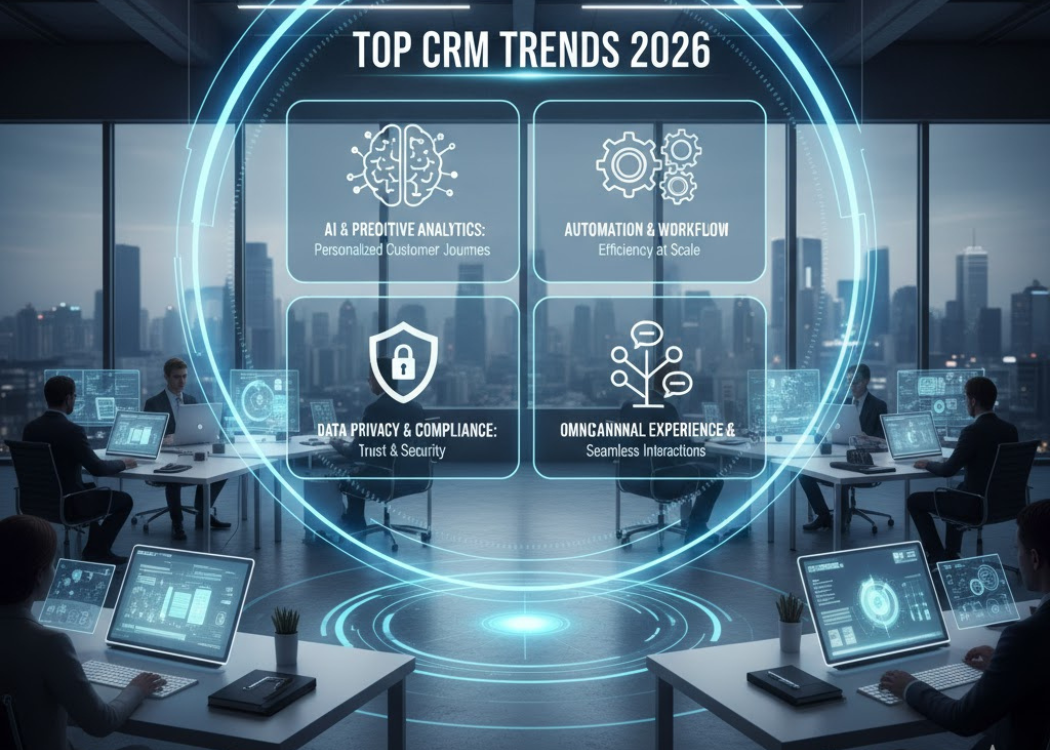
One of the biggest shifts in CRM technology is the growing use of automation in CRM. From lead scoring and email follow-ups to task scheduling and workflow management, automation ensures that customer engagement happens at the right time with the right context.
Automated CRMs reduce manual effort, minimize errors, and enhance productivity. They help sales and marketing teams focus on strategic activities such as building customer relationships and identifying growth opportunities rather than repetitive administrative tasks.
This automation also ensures consistency across all customer touchpoints, improving satisfaction, loyalty, and overall brand perception.
The Power of Predictive Analytics in CRM
In the age of data-driven decision-making, predictive analytics has become a cornerstone of modern CRM systems. By analyzing historical data and customer behavior patterns, predictive analytics enables businesses to anticipate future trends, customer needs, and potential risks.
SaaS CRMs equipped with predictive analytics provide actionable insights that support smarter sales forecasting, targeted marketing campaigns, and proactive service strategies. This data-driven approach not only improves performance but also allows businesses to personalize their engagement based on real-time insights.
Customer Intelligence: Turning Data into Relationships
At the core of every successful CRM lies customer intelligence, the ability to understand and interpret customer preferences, motivations, and pain points. With the rise of SaaS-based platforms, organizations now have access to unified data across channels, allowing for deeper understanding and personalization.
Customer intelligence enables businesses to segment audiences, tailor offers, and deliver experiences that build long-term trust. It also helps companies adapt to shifting customer expectations and market trends by turning raw data into meaningful actions.
SaaS CRM: AI, Automation, and Predictive Power
The next generation of CRM solutions embodies the perfect fusion of innovation and strategy SaaS CRM: AI, Automation, and Predictive Power. These intelligent platforms bring together advanced analytics, automated workflows, and seamless integrations that make customer management effortless.
Through real-time insights, intelligent automation, and cross-department collaboration, businesses can now create a 360-degree view of their customers. The result is stronger relationships, increased sales performance, and enhanced operational efficiency, all without the traditional complexities of managing CRM software.
How SaaS is Making Customer Management Seamless
The strength of SaaS lies in its ability to unify fragmented systems into one cohesive platform. Businesses can now integrate their marketing, sales, and service operations effortlessly. Updates happen automatically, data remains secure in the cloud, and teams can collaborate from anywhere in the world.
With intuitive dashboards, real-time analytics, and customizable workflows, SaaS CRMs make customer management smoother and more strategic. Organizations no longer struggle with scattered data or missed opportunities; every customer touchpoint becomes an opportunity for engagement and retention.
Future of Smart CRM Systems
The future of smart CRMs is about continuous evolution. As technology advances, these systems will become even more intuitive, predictive, and integrated. Companies will rely on data-driven insights to not only understand customers but also anticipate their needs before they arise.
The combination of automation, predictive analytics, and customer intelligence will redefine how organizations approach sales and service excellence. The businesses that embrace these smart systems today will gain a competitive edge in tomorrow’s customer-driven economy.
Conclusion
The rise of smart CRMs represents a major shift in how organizations build and sustain customer relationships. With SaaS CRM platforms leading the charge, customer management has become more streamlined, intelligent, and efficient than ever before.
By harnessing the power of predictive analytics, automation in CRM, and customer intelligence, businesses can transform their customer experience strategies. As smart CRMs continue to evolve, they are not just CRM tools for managing relationships, they are the foundation for building lasting connections in the digital-first world.