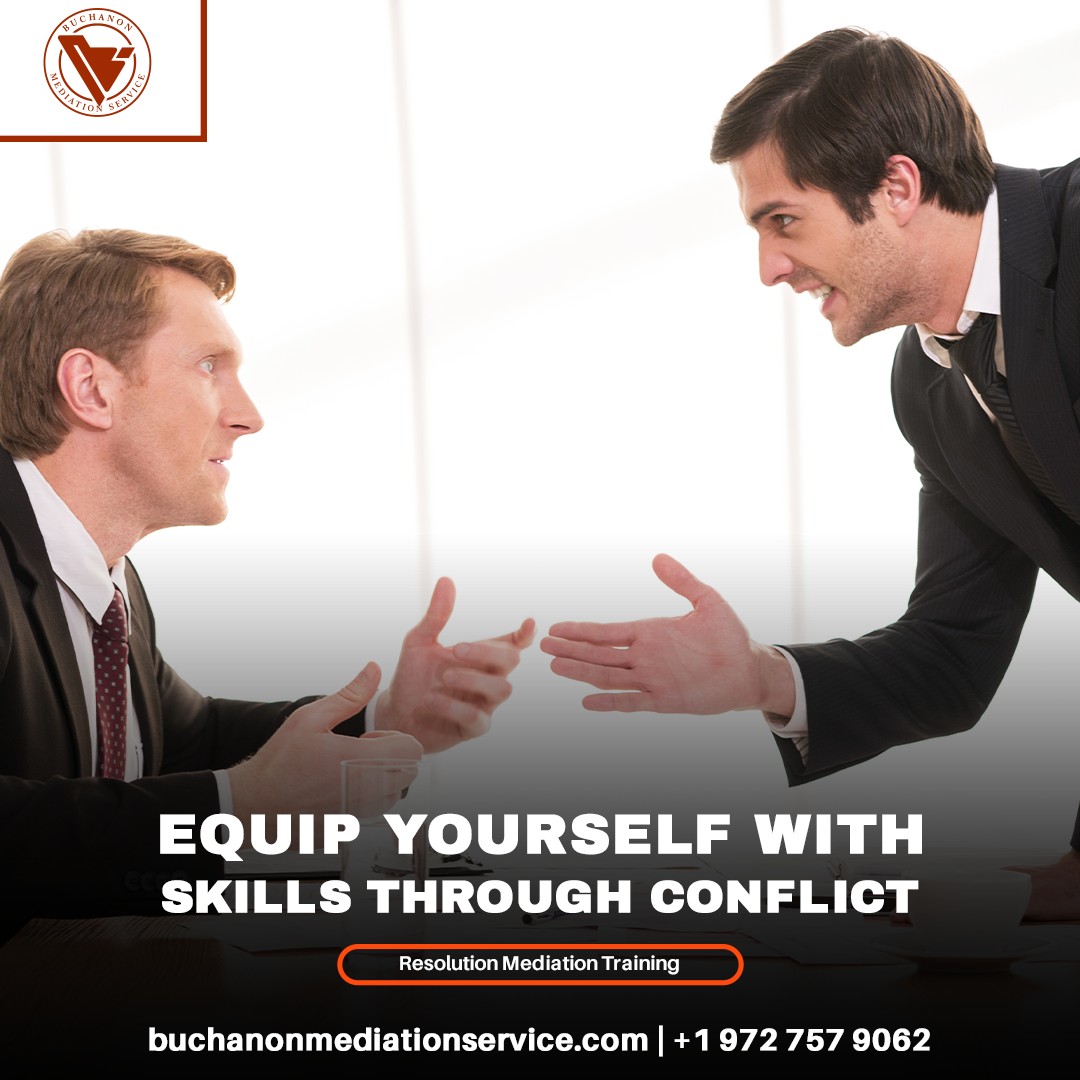
Workplace conflicts quietly erode team dynamics, productivity, and morale. When disagreements escalate without proper management, even minor misunderstandings can grow into significant issues. Many professionals assume conflict resolution requires formal litigation or HR interventions. However, alternative approaches often prove far more effective.
Mediation, especially when paired with structured conflict resolution training, helps individuals and teams navigate disagreements constructively. These practices prevent small sparks from igniting larger problems, keeping workplace harmony intact.
Understanding the Role of Mediation in Conflict Resolution
Mediation acts as a bridge between parties at an impasse. Unlike court proceedings, it offers a neutral environment where both sides can express concerns openly. You may wonder why some conflicts escalate while others resolve quickly. Often, the difference lies in communication. Mediation emphasizes active listening, empathetic engagement, and transparency.
Vic Buchanon exemplifies this approach. His attentive listening and motivational style make mediation feel therapeutic rather than adversarial. By ensuring all parties are heard, he increases the chances of a mutually acceptable solution.
The Mechanics of Conflict Management in the Workplace
Conflict management in the workplace is not just about preventing arguments. It is about creating systems that promote collaboration and respect. Teams trained in conflict management can identify triggers that lead to disputes and apply techniques to address them early. Recurring tensions between departments or colleagues with clashing work styles are common.
Structured interventions redirect energy toward productive outcomes. Scenario-based exercises help employees identify problems before they escalate and implement solutions that preserve workplace harmony.
Mediation and Conflict Resolution Training: A Proactive Approach
Mediation and conflict resolution training equips professionals to handle disagreements before they become critical. Training typically includes negotiation techniques, communication skills, emotional intelligence, and problem-solving strategies. By participating, you gain insight into mediating disputes and anticipating conflicts.
This proactive approach transforms conflict from a disruptive force into an opportunity for learning. Organizations that invest in these programs often experience improved team cohesion, increased engagement, and a culture of accountability.
Benefits of Out-of-Court Settlements
Out-of-court settlements provide a practical alternative to litigation, saving time, money, and emotional energy. You might assume that legal processes are the only solution for serious conflicts. However, mediation offers efficiency without compromising fairness.
Vic Buchanon focuses on delivering reliable solutions that reduce the legal system’s burden while respecting the interests of all parties. By concentrating on consensus rather than confrontation, mediation produces agreements that participants are more likely to honor. This leads to long-lasting resolution instead of temporary compliance.
Addressing Family and Workplace Disputes with Expertise
Conflicts arise in many contexts, from workplace disagreements to family tensions or neighborhood disputes. The skills required to manage these situations effectively often overlap. Vic’s experience spans court-assigned cases involving families, home associations, and professional environments.
His work shows that attentive listening, patience, and structured negotiation can be applied universally. Lessons learned in one context, such as handling a difficult team member, often translate to personal relationships, highlighting mediation’s versatility.
Emotional Intelligence and Its Impact on Conflict Resolution
Emotional intelligence plays a vital role in effective conflict management. Understanding your emotions and recognizing those of others helps you respond thoughtfully rather than react impulsively. Employees trained in emotional awareness can de-escalate tense situations and maintain professional composure.
Vic integrates motivational speaking and emotional insight into his sessions. This approach encourages participants to address underlying concerns instead of focusing solely on surface-level disagreements. Small emotional cues can prevent conflicts from escalating, saving time and preserving workplace relationships.
Implementing Mediation Techniques in Daily Workplace Practices
Applying mediation skills in daily workplace practices can transform organizational culture. Employees who frame disagreements constructively, seek common ground, and facilitate open dialogue strengthen team dynamics. Simple interventions, like regular check-ins, feedback loops, and structured problem-solving sessions, can reduce friction and misunderstandings. Vic’s methodology encourages consistent use of mediation techniques, turning conflict management into a daily habit. Teams become more resilient and collaborative when these approaches are part of everyday operations.
Measuring the Success of Conflict Resolution Strategies
Organizations can measure the effectiveness of mediation and conflict resolution training through metrics such as reduced grievances, faster dispute resolution, and improved employee satisfaction. Surveys and feedback provide insight into whether participants feel empowered to handle conflicts constructively.
Vic Buchanon’s cases demonstrate tangible improvements, with conflicts often resolved faster than expected and participants reporting greater clarity and satisfaction. These evaluation methods allow organizations to refine training programs and adapt conflict management strategies to meet evolving needs.
Conclusion:
Effective workplace conflict management requires structured training, proactive strategies, and skilled facilitation. Mediation and conflict resolution training equip professionals to address disputes efficiently while minimizing disruption. By combining emotional intelligence, practical techniques, and expert guidance, organizations can foster a culture of collaboration and understanding.
Vic Buchanon’s work shows that attentive listening, motivational communication, and reliable negotiation can transform conflicts into opportunities for growth. Embedding these principles into daily operations ensures that conflict management becomes an ongoing, sustainable practice rather than a reactive measure.
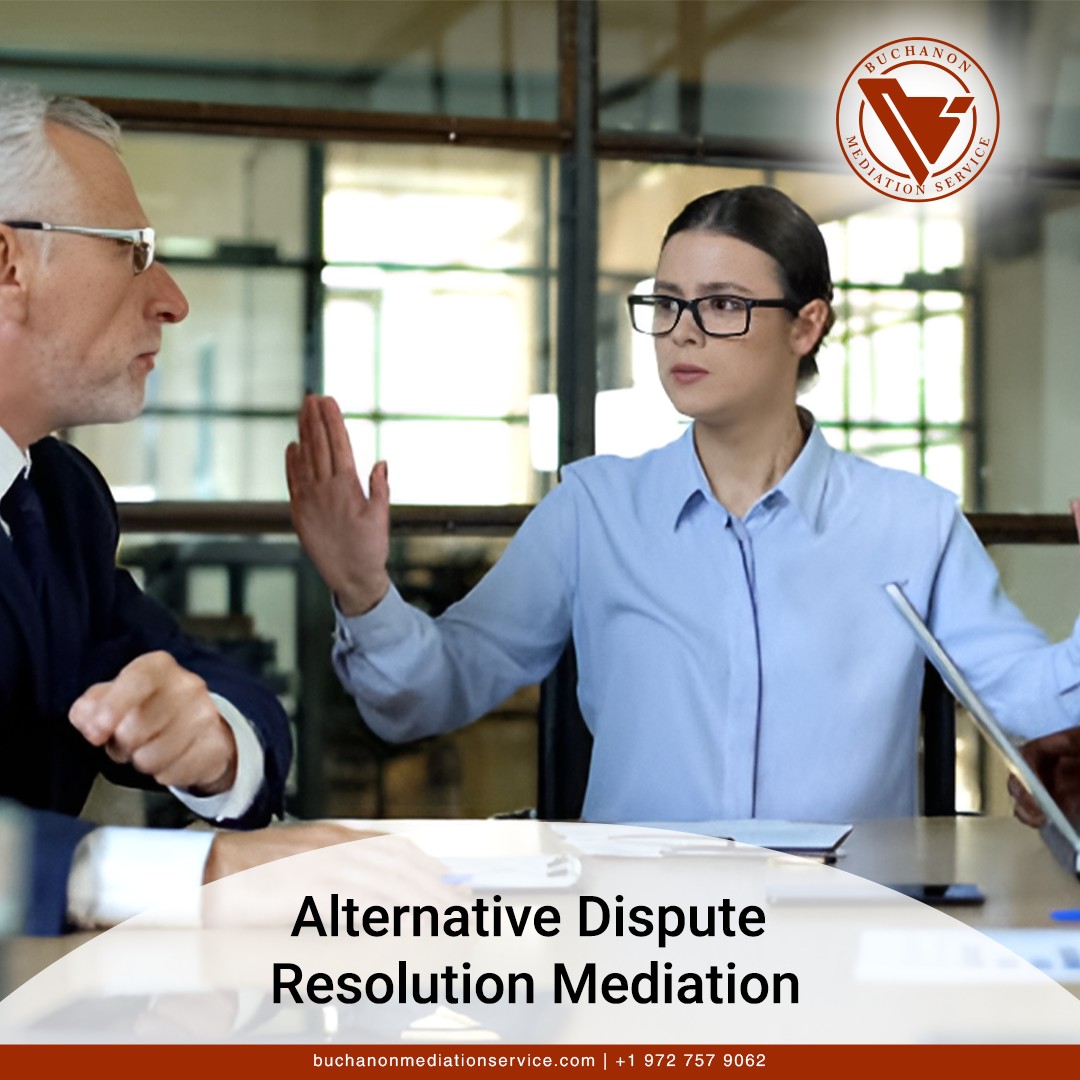



Conflicts are a part of human life and have been the reason for co-existence of people throughout times.
However, slightest bit of a wavy tone or a hint of aggression and things could go down hill from there.
There are few tried and tested methods that have been known to resolve this sort of tension.Keep ego out when you walk through the doorThis might seem bookish and maybe even impossible, but this is a method that has seen the best results.
When in such a close vicinity within other people there should always be personal boundaries that everyone should respect and a certain set of guidelines that everyone should follow.
Having unclarified roles at the workplaceThis might even be the most frustrating thing, but when one does not know the defined role they have been assigned, they could be a little put off.
It is the managers job to find and assign titles to everyone in his/her team and it may sometime happen so that maybe some people might not find the dismissal of this concern.