

Introduction: Two Sides of the Same Leaf
If you’ve ever browsed a hemp store in Pineville, NC — or anywhere in the U.S., really — you’ve probably seen jars labeled THCA flower sitting right next to Delta-9 gummies or THC vapes. They might look and sound similar, but these cannabinoids play very different roles in how we experience cannabis.
Yet, for many people exploring hemp-derived products, the distinction between THCA and Delta-9 THC isn’t immediately clear. After all, both come from the same plant. Both can produce calming or euphoric effects. And both are being sold legally in North Carolina under the hemp umbrella.
So, what makes them different — and why does that difference matter?
Let’s break it down in a way that’s approachable, practical, and relevant to today’s hemp consumers. By the end, you’ll know not only how THCA and Delta-9 differ but also which one might be right for your lifestyle.
A Quick Primer: What Are Cannabinoids, Anyway?
Before we zoom in on THCA vs. Delta-9 THC, it’s helpful to understand the bigger picture. Cannabis — whether hemp or marijuana — contains over 100 compounds called cannabinoids. These are natural chemicals that interact with your body’s endocannabinoid system (ECS), a network that helps regulate mood, pain, sleep, and stress.
Think of the ECS as your body’s internal balance system. When you consume cannabinoids, they bind to ECS receptors, creating effects that can range from relaxation to focus to pain relief — depending on the compound and dosage.
Among all these cannabinoids, THC (tetrahydrocannabinol) and CBD (cannabidiol) are the most famous. But as science digs deeper, compounds like THCA (tetrahydrocannabinolic acid) are gaining well-deserved attention — especially because they represent a legal pathway to THC-like experiences in states like North Carolina.
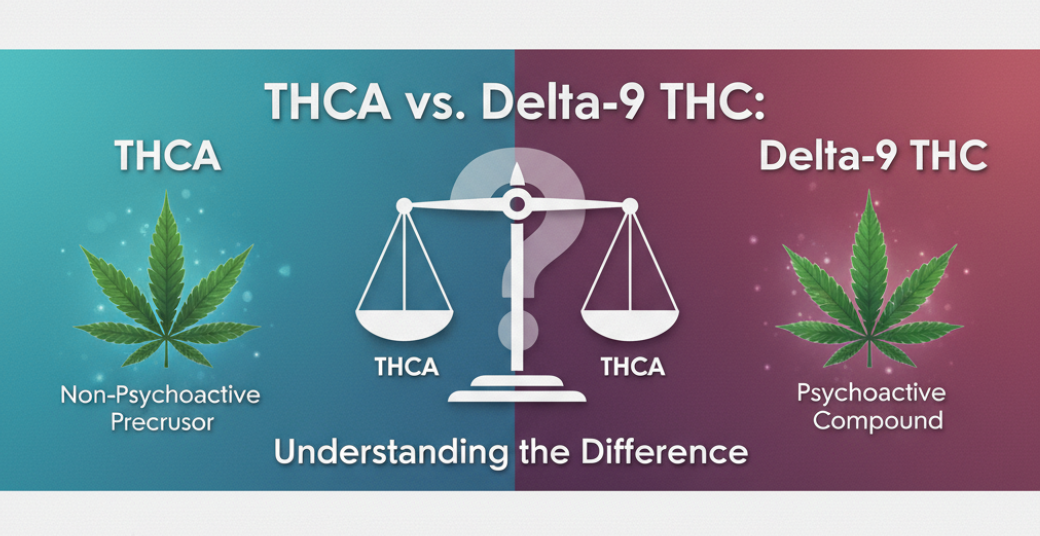
THCA: The Raw, Non-Psychoactive Precursor
Let’s start with THCA. The “A” stands for acid — and that’s an important clue.
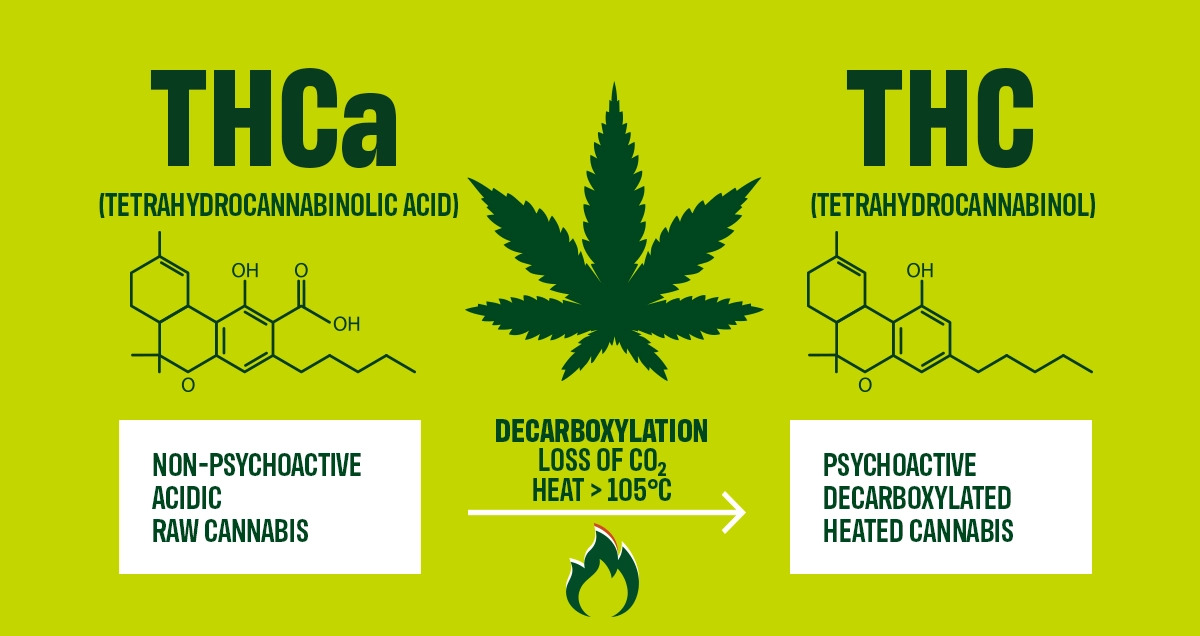
In its natural state, the cannabis plant produces cannabinoids in their acidic forms: CBDA, THCA, CBGA, and so on. These raw compounds aren’t psychoactive, meaning they won’t get you high. However, when they’re heated through smoking, vaping, or cooking, they undergo a process called decarboxylation — which removes the acid group and transforms them into active cannabinoids like CBD and Delta-9 THC.
In short:
THCA + heat = Delta-9 THC
That’s right — THCA is essentially the precursor to THC. Without it, there would be no “high.”
Key Characteristics of THCA:
- Found naturally in raw hemp and cannabis flower
- Non-intoxicating until heated
- Converts into Delta-9 THC through heat exposure
- Federally legal if derived from hemp (under 0.3% Delta-9 THC)
- Popular in THCA concentrates, flower, and pre-rolls
This conversion process is what makes THCA such a fascinating (and legally complex) cannabinoid.
Delta-9 THC: The Classic High
Now, let’s talk about Delta-9 THC — the compound most people associate with marijuana.
Delta-9 is the active form of THC that directly binds to your brain’s CB1 receptors, producing the euphoric, relaxing, and sometimes giggly effects cannabis is famous for. It’s also responsible for increased sensory perception, altered time awareness, and appetite stimulation — aka, the munchies.
Key Characteristics of Delta-9 THC:
- The primary psychoactive compound in cannabis
- Created when THCA is exposed to heat
- Intoxicating — produces the classic cannabis “high”
- Can be derived from either marijuana or hemp
- Federally legal if derived from hemp and below the 0.3% Delta-9 THC limit
Interestingly, while marijuana-derived Delta-9 remains illegal in North Carolina, hemp-derived Delta-9 is legal — as long as the total THC content in a product remains within that federally approved limit.
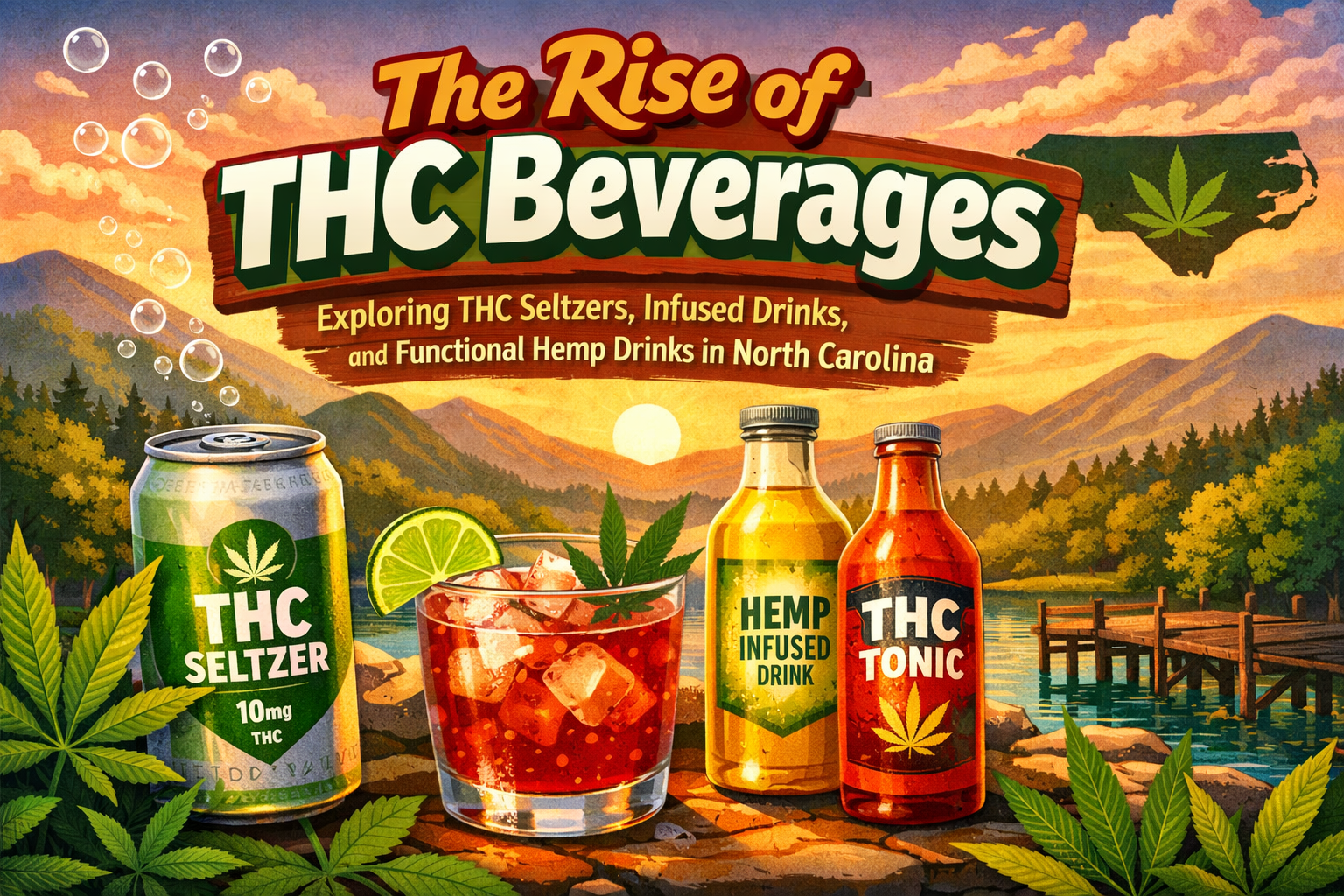
That’s why you’ll find hemp-derived Delta-9 gummies, seltzers, and edibles on shelves across Pineville and Charlotte today.
THCA vs. Delta-9: A Side-by-Side Comparison
Feature THCA (Tetrahydrocannabinolic Acid) Delta-9 THC (Tetrahydrocannabinol)
Chemical State Acidic (raw form) Decarboxylated (active form)
Psychoactive? No (until heated) Yes
Legal Status (NC) Legal if hemp-derived Legal if hemp-derived and under 0.3%
Common Products THCA flower, pre-rolls, concentrates Gummies, vapes, edibles, beverages
Effect Profile Calming, therapeutic (raw form); psychoactive when smoked Euphoric, relaxing, creative
Best For Consumers seeking flexibility (raw or active use) Those wanting ready-to-use psychoactive effects
In essence:
THCA is the building block. Delta-9 is the result.
Why THCA Has Become a Favorite in Pineville and Across NC
The popularity of THCA products in Pineville, NC is no accident. North Carolina hemp retailers have found a sweet spot: products that look, smell, and feel just like traditional cannabis — but remain legal under federal law.
Because THCA only becomes Delta-9 THC when heated, THCA flower and pre-rolls can be legally sold as hemp. Yet once you light them up, the experience mirrors that of standard cannabis.
What Consumers Love About THCA:
- Authentic cannabis experience without legal risks
- High terpene content, offering rich aroma and flavor
- Smooth effects when properly cured and tested
- Versatility — can be used raw for wellness or smoked for recreation
Meanwhile, THCA concentrates — such as diamonds, wax, or rosin — have become a go-to for advanced users looking for potent effects and premium quality. These products deliver a refined experience that rivals dispensary-grade marijuana, but within the bounds of the law.
The Science of Decarboxylation: Where the Magic Happens
To truly appreciate the THCA vs. Delta-9 relationship, you need to understand decarboxylation. It sounds technical, but it’s simply the chemical process of removing a carbon atom from THCA’s structure through heat or light exposure.
When you:
- Smoke a pre-roll
- Vape THCA flower
- Bake THCA-infused edibles
…the heat activates the compound, transforming THCA into Delta-9 THC — unlocking its psychoactive potential.
Real-World Example:
If you consume THCA in its raw form — say, by juicing raw hemp leaves — you won’t feel high. But if you smoke that same flower, you’ll experience the euphoric and calming effects of THC.
This is why THCA is so versatile: it can serve both wellness seekers (who want non-intoxicating relief) and recreational users (who want that familiar cannabis buzz).
Legal Landscape: What’s Allowed in North Carolina
North Carolina’s cannabis laws can be tricky, but they’re surprisingly favorable to hemp consumers. The state follows the federal hemp definition under the Farm Bill — meaning any product with less than 0.3% Delta-9 THC is legal, including THCA flower and hemp-derived Delta-9 edibles.
However, there are still key distinctions consumers should understand.
What’s Legal:
✅ Hemp-derived products with <0.3% Delta-9 THC
✅ THCA flower and concentrates (as long as pre-heating levels meet federal limits)
✅ Delta-8 and Delta-10 THC products
✅ CBD tinctures, oils, and topicals
What’s Not Legal:
❌ Marijuana-derived THC products
❌ Home cultivation of marijuana plants
❌ Driving under the influence of hemp-derived THC
Pineville and surrounding Charlotte-area retailers are diligent about compliance — ensuring all THCA products come with third-party lab reports proving they meet federal hemp standards.
How Each Affects the Body: A User Experience Perspective
THCA’s Effects (Raw vs. Activated):
- Raw Form: Anti-inflammatory, neuroprotective, and non-intoxicating
- Activated Form (via heat): Produces similar euphoria to Delta-9, often described as smoother and cleaner
- Onset: Fast when smoked, slower when consumed
- Duration: 1–3 hours depending on method
Delta-9 THC’s Effects:
- Strong psychoactive high
- Enhanced sensory perception and mood
- Potential couch-lock or sedation at higher doses
- Effective for chronic pain, nausea, and appetite stimulation
While both can deliver relaxing and euphoric experiences, THCA’s flexibility gives users more control — allowing them to choose between raw wellness and psychoactive enjoyment.
THCA Concentrates: The Premium Experience
If you’re looking for potency, THCA concentrates are where science meets art. Extracted through advanced methods like solventless pressing or crystallization, these products boast some of the highest cannabinoid purities available — often exceeding 90% THCA.
Popular Types of THCA Concentrates:
- THCA Diamonds: Crystalline structures resembling tiny gems, known for potency and purity.
- THCA Rosin: A solventless extract pressed from flower or hash, prized for flavor and smoothness.
- THCA Sauce: A terpene-rich concentrate combining potency with aroma.
When vaporized, these concentrates deliver intense flavor and immediate effects, making them ideal for experienced users. And since they remain compliant pre-heating, they’re perfectly legal for sale in North Carolina.
Choosing Between THCA and Delta-9: Which Is Right for You?
Ultimately, the “better” option depends on your goals and preferences. Here’s a quick guide to help:
If You Want… Choose…
A non-intoxicating wellness option THCA (raw)
A legal way to enjoy real THC effects THCA (heated)
Consistent, easy dosing in edibles Hemp-derived Delta-9
Strong, immediate effects THCA concentrates
Subtle relaxation without a full high Delta-8 or CBD blends
Pro Tip:
Many consumers mix and match — using CBD during the day, THCA flower in the evening, and hemp-derived Delta-9 edibles for social occasions. The hemp market today allows you to customize your cannabis journey.
Responsible Consumption: What Every Hemp User Should Know
As the industry evolves, education and safety are key. Always remember to:
- Buy from reputable, lab-tested sources.
- Start low and go slow. Potent THCA products can surprise even seasoned users.
- Understand your local laws. Even legal hemp can draw questions from law enforcement.
- Avoid driving or working under the influence.
In Pineville and throughout North Carolina, responsible use is what keeps the industry thriving and respected.
The Future of THCA and Delta-9 in North Carolina
Looking ahead, North Carolina’s hemp industry shows no signs of slowing down. As more consumers discover the nuances between THCA and Delta-9, demand for premium, transparent, and compliant products continues to grow.
With proper regulation, consumer education, and innovation, the state could soon position itself as a leader in hemp-derived wellness and legal THC alternatives.
Conclusion: Two Cannabinoids, One Evolving Market
At the end of the day, THCA and Delta-9 THC represent two phases of the same compound — one raw and potential, the other active and immediate. Together, they illustrate how far hemp science has come — and how accessible cannabis-inspired wellness has become, even in states like North Carolina.
So whether you’re lighting up a THCA pre-roll in Pineville, sipping a Delta-9 seltzer at a Charlotte event, or simply exploring cannabinoids for better wellness — you’re part of a nationwide movement redefining what “legal cannabis” really means.
Key Takeaways:
- THCA is the non-psychoactive precursor to Delta-9 THC.
- Heating THCA converts it into psychoactive Delta-9.
- Both can be legally enjoyed in NC when derived from hemp.
- THCA offers versatility: wellness or recreation, your choice.
- Always buy tested, compliant products — and consume responsibly.
A Gentle Call-to-Action
Ready to explore your next step in hemp wellness?
Discover THCA concentrates, Delta-9 edibles, and hemp-derived vapes from trusted North Carolina retailers — and experience the natural balance between science, serenity, and satisfaction.