

Introduction
In today’s workplace, design is about more than just aesthetics — it’s about creating an inclusive environment where everyone feels welcome and comfortable. One of the most important yet often overlooked elements of office design is ADA signage. ADA (Americans with Disabilities Act) signs are mandatory for compliance, but they also play a key role in shaping the look and feel of your workspace.
Modern ADA sign designs have evolved far beyond basic, functional markers. Businesses today can choose from a wide range of materials, finishes, colors, and design elements that not only meet ADA standards but also complement their interior décor and brand identity. In this article, we’ll explore how modern ADA signs can enhance your office aesthetics while ensuring accessibility for all.
Why ADA Signs Are Essential
Before diving into design trends, it’s important to understand why ADA signs are so crucial. The ADA requires that all public spaces — including offices, schools, hospitals, and retail stores — provide signage that helps people with visual or physical disabilities navigate easily.
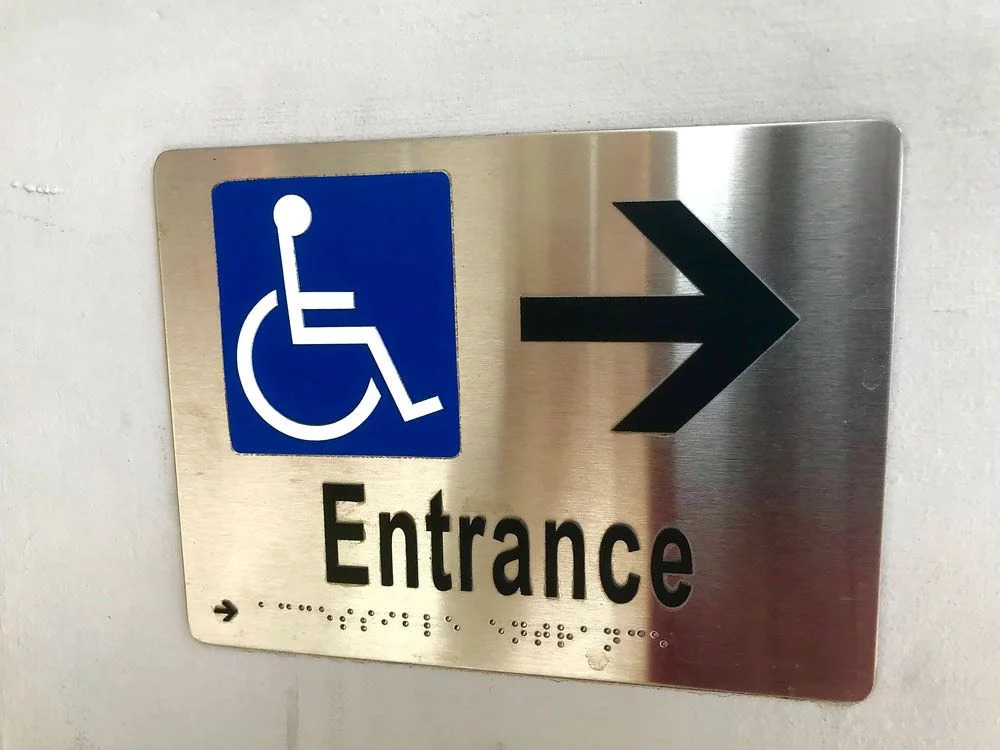
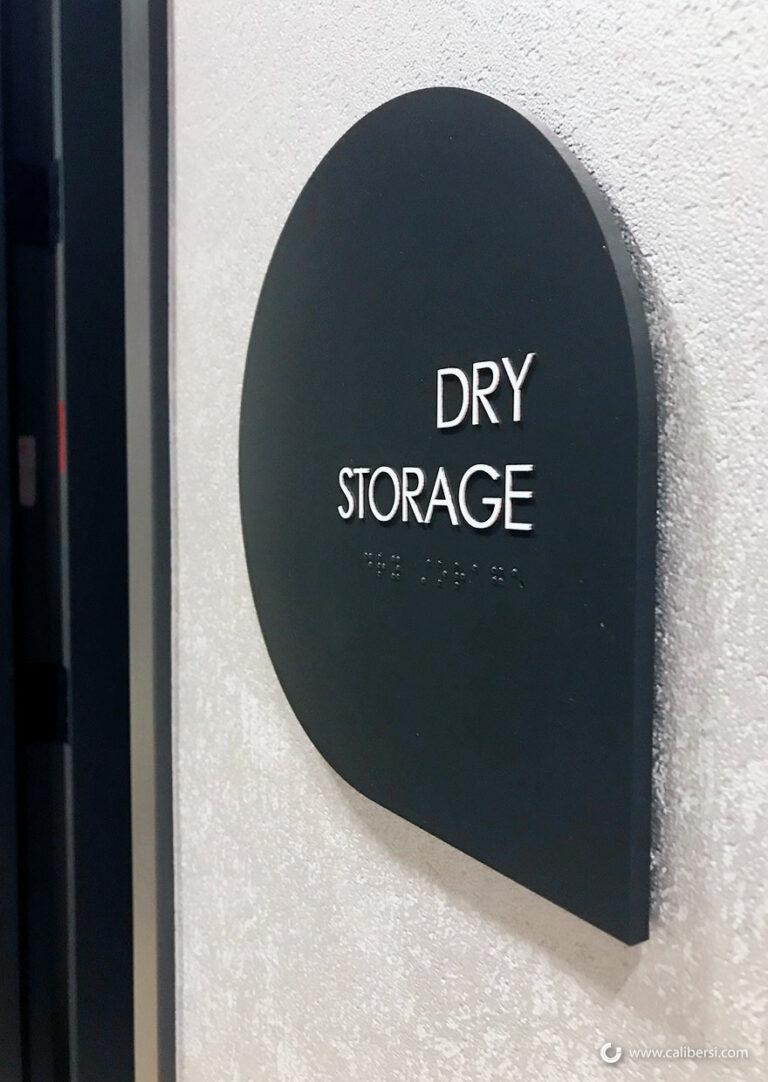
These signs use raised tactile letters, Braille, and high-contrast colors to ensure legibility for everyone. ADA signs typically identify rooms, exits, restrooms, stairways, and accessible facilities. While compliance is a legal requirement, businesses are now realizing that these signs can also reflect professionalism, attention to detail, and brand identity.
From Functional to Fashionable: The Evolution of ADA Signs
In the past, ADA signs were purely functional — standard blue-and-white plaques that didn’t blend well with modern interiors. However, today’s design-forward businesses see signage as an extension of their branding. The result is a new generation of modern ADA signs that combine compliance with creativity.
These contemporary signs incorporate elements such as:
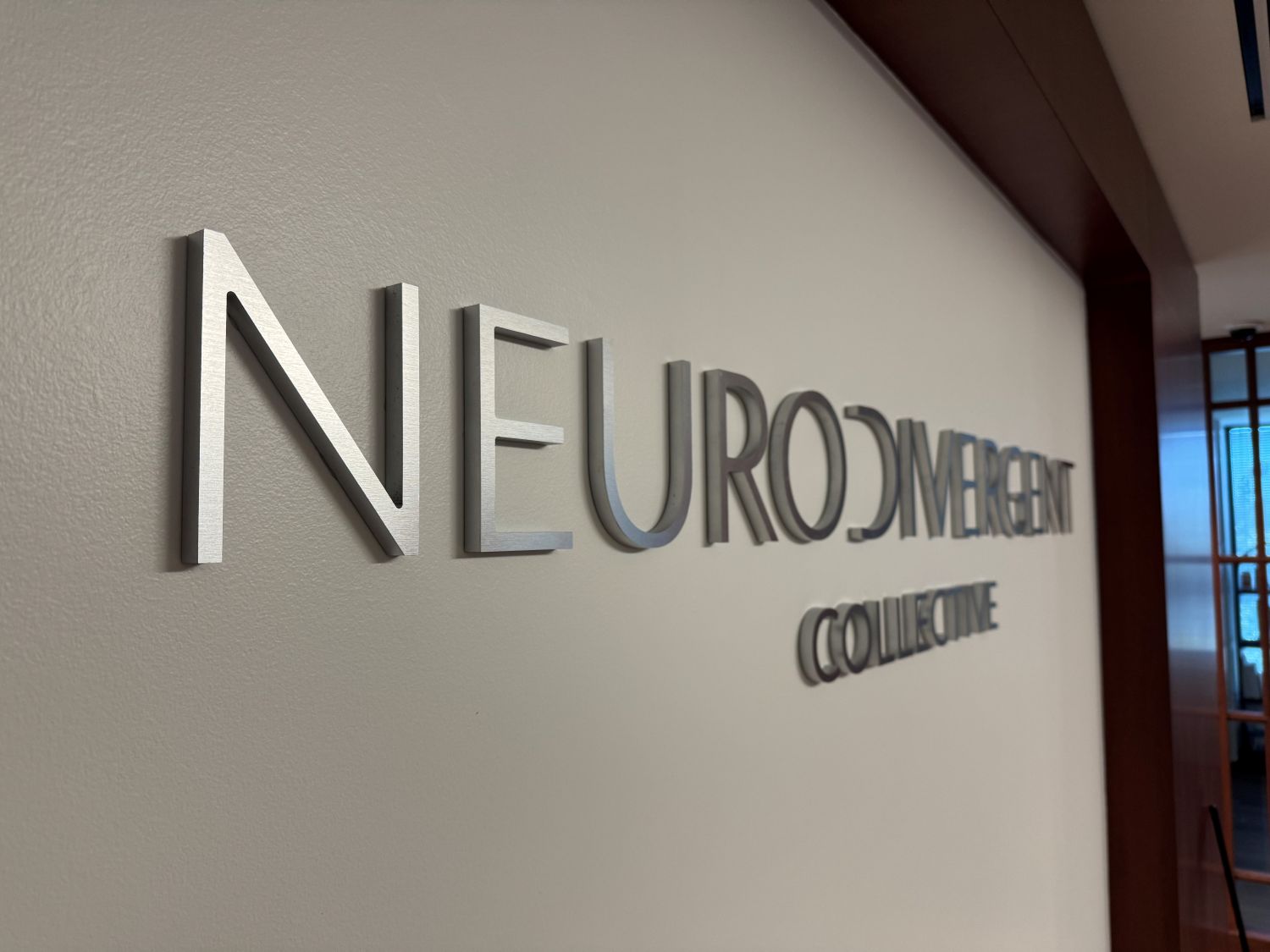
- Brushed metal finishes for a sleek, corporate look
- Acrylic and glass panels that add a sense of sophistication
- Custom fonts, colors, and icons that align with company branding
- Laser-cut or engraved details that provide a premium, durable finish
This shift toward stylish ADA signage ensures that accessibility never compromises aesthetics.
Top Modern ADA Sign Design Trends
1. Minimalist and Clean Aesthetics
Minimalism is a dominant design trend in modern offices, and ADA signs are no exception. Simple, clean lines with subtle color contrasts make the signs both compliant and elegant. A monochrome color palette with raised lettering and Braille creates a timeless, professional appearance that works in almost any setting.
2. Branded Signage
Your ADA signs don’t have to look generic. By incorporating your company’s logo, font, and color scheme, you can turn each sign into a branding opportunity. For example, a tech startup might use matte black acrylic with white tactile text, while a creative agency might choose vibrant accent colors that match their office décor.
3. Premium Materials
Modern ADA signs are available in a wide range of materials — including aluminum, wood, glass, and acrylic. Acrylic signs with frosted or glossy finishes are especially popular for offices that want a polished, modern look. For a more natural vibe, brushed aluminum or wooden ADA signs can add warmth and texture.
4. Layered and Dimensional Designs
Layered signs create depth and sophistication. Designers often combine materials — such as acrylic on top of brushed metal — to produce a 3D effect. This adds visual interest while maintaining all ADA requirements for tactile and Braille elements.
5. Sustainable Materials
Sustainability is another growing trend in office design. Eco-friendly ADA signs made from recycled plastics, reclaimed wood, or biodegradable materials can enhance your brand’s environmental credibility while keeping your office stylish and compliant.
Balancing Compliance and Creativity
The key to modern ADA sign design lies in balancing creativity with compliance. Every sign must still meet ADA regulations regarding:
- Letter height and font type (sans-serif, uppercase)
- Contrast ratio between text and background
- Raised tactile text and Braille placement
- Mounting height and location
Working with a professional sign company experienced in ADA compliance ensures that your creative ideas meet legal standards. The result: signs that look great and function flawlessly.
How ADA Signs Enhance Your Office Look
Creates a Unified Aesthetic
Matching ADA signs to your overall interior design brings harmony to your office. Whether you have a sleek, modern space or a warm, rustic vibe, customized ADA signs can seamlessly integrate into your environment.
Promotes Brand Identity
Branded ADA signage subtly reinforces your company’s identity in every corridor and room. Visitors notice the attention to detail, which reflects professionalism and pride in your workspace.
Improves Employee and Visitor Experience
A well-designed, easily readable signage system makes navigation simple for everyone — including employees, clients, and guests with disabilities. When accessibility feels natural and visually pleasing, it elevates the entire experience.
Adds a Touch of Sophistication
Modern materials like glass, brushed metal, or layered acrylic give your office a high-end, contemporary appeal that traditional signs can’t match.
Choosing the Right Partner for Your ADA Signage
When upgrading your office with modern ADA signs, choosing the right sign design and fabrication company is crucial. Look for a provider who:
- Understands ADA compliance standards thoroughly
- Offers customization to match your branding
- Uses high-quality, durable materials
- Provides installation services to ensure proper placement
An experienced custom sign maker can guide you through the design process — from concept to installation — ensuring your office looks professional, accessible, and modern.
Conclusion
Modern ADA signs are more than just a legal necessity — they are an opportunity to enhance your office design and express your brand identity. By blending functionality with style, today’s ADA-compliant signage allows businesses to create inclusive environments that look as good as they perform.
Investing in custom ADA signs is a smart way to combine accessibility, professionalism, and aesthetics — proving that compliance and creativity can coexist beautifully.