



PGDM vs MBA in Finance: Which is the Smarter Choice for 2025 in Maharashtra?
Introduction
Finance has always been the epicentre of business, but the skills recruiters demand in 2025 are sharper, faster, and more technology-driven than ever before. For students in Maharashtra, home to the country’s financial capital Mumbai and the education hub Pune, the big question is simple yet critical: PGDM or MBA in Finance - what’s the smarter move?
This blog cuts through the noise with a side-by-side breakdown, real placement insights, and a closer look at why a finance-first PGDM may be your best bet.
Core Differences: PGDM vs MBA – A Quick Breakdown
Affiliation, Structure & Flexibility
PGDM (Post Graduate Diploma in Management): AICTE-approved and often autonomous, PGDMs are designed with agility. Institutes can update their syllabus every year, weaving in emerging topics like fintech, blockchain in finance, and data analytics. Students benefit from certifications (e.g., NISM, CFA modules, analytics tools) that employers look for on résumés.
MBA (Master of Business Administration): University-affiliated degrees. Recognition is broad, and for students who plan to pursue government roles, PhDs, or international study, the MBA label can carry weight. But curriculum updates follow university timelines, often slower than market changes.
ROI: Fees & Salary
ROI in finance education is less about the degree title and more about the median outcomes.
PGDMs: Fees may range from ₹6L–₹15L, but many deliver median salaries of ₹7L–₹12L thanks to strong industry tie-ups.
MBAs: Costs vary by university. Tier-1 MBAs can cross ₹20L+, but payback depends heavily on sectoral placements.
Pro tip: Always compare total program cost (tuition + living) with the median CTC and role mix, not just the “highest package” number on a brochure.
Pedagogy & Focus
Finance isn’t learned only in classrooms; it’s honed in labs, projects, and markets.
PGDMs: Case-based pedagogy, trading labs, simulations, valuation clinics, and live corporate projects dominate. With practitioner faculty (bankers, CFAs, fintech leaders), students hear how theory translates to boardrooms and trading floors.
MBAs: While some universities have upgraded pedagogy, many remain theory-heavy. Unless the institute is among the top tier, the exposure to live projects may be less frequent.
Career Insights: Scope, Placement & Trends
The finance job market is thriving. Mumbai remains the epicentre for investment banking, corporate finance, asset management, and markets, while Pune leads in financial analytics, IT-BFSI roles, and fintech product management.
Placements
Freshers stepping into finance roles from PGDM or MBA programs typically see starting packages in the ₹5–8 LPA range, depending on the institute and role, such as IB analyst, corporate finance, and BFSI operations.
Within 3–5 years, professionals with strong performance, certifications (such as CFA, FRM, and NISM), and project exposure can advance to mid-level roles, including associate, senior analyst, or FP&A manager, where pay scales range from ₹12–18 LPA.
At the 8–12 year mark, finance managers and vice presidents in banking, markets, or analytics can command ₹25 LPA+, with leadership and global exposure raising the ceiling further.
Current trends shaping finance careers:
Analytics-first roles: FP&A and treasury now require comfort with BI tools and scenario modelling.
Fintech growth: Product managers, risk analysts, and compliance officers in fintech startups are on the rise.
Globalisation of finance: International certifications and cross-border roles are in demand.
Comparison Table
Factor
PGDM (Finance)
MBA (Finance)
Affiliation
AICTE-approved, autonomous
University-affiliated degree
Curriculum
Agile, updated annually with fintech/analytics
Fixed by university cycles
Pedagogy
Cases, labs, live projects, practitioners
Often theory-focused, varies by university
Recognition
Corporate acceptance + AIU equivalence
Broad global & public sector recognition
ROI
Moderate fees, median CTC ₹7–12L
Higher fees at Tier-1, ROI depends on the sector
Best fit
Roles in IB, markets, analytics, fintech
Public sector, PhD, or global pathways
Why Imperial's PGDM in Finance Stands Out?
Imperial School of Banking & Management Studies (ISBMS), Pune, isn’t just another institute offering finance - it’s a finance-first, AICTE-approved PGDM designed for the future of money.
Role-Mapped Curriculum: Every subject ties back to roles like Investment Banking, FP&A, Equity Research, Treasury, and Financial Analytics.
Industry-Recognised Certifications: Exposure to KPMG, NISM, and AI-Finance modules ensures your CV stands out.
Practice-Centric Learning: From live corporate projects to edu-tours that take students inside financial institutions, learning is hands-on.
Practitioner Faculty & CXO Connects: Guidance from industry experts means you’re trained by people who live the market every day.
ROI Focus: Imperial highlights median placement outcomes and sector diversity, helping students judge career payback realistically.
Conclusion
When it comes to Finance in 2025, both PGDM and MBA bring value; but for students who want curriculum agility, industry integration, certifications, and faster ROI, the PGDM route in Maharashtra stands out. And if you’re seeking a program that maps every module to finance roles, Imperial’s PGDM in Finance deserves a place on your shortlist.
FAQs
Q1. Is a PGDM in Finance equivalent to an MBA?
Yes, for most corporate roles. Recruiters value skills, internships, and the institute's reputation more than whether the qualification is PGDM or MBA.
Q2. Which is better for investment banking careers?
Both work. However, PGDM programs with IB electives, trading labs, and deal simulations often prepare students faster for investment banking and market-linked finance roles.
Q3. How do I calculate ROI for PGDM or MBA?
Compare total program cost (fees + living) with median placement salaries, recruiter quality, and realistic payback in 3–4 years, not inflated highest package figures.
Q4. Which entrance exams are required?
Most leading finance programs in Maharashtra accept CAT, XAT, NMAT, CMAT, or MAH-MBA-CET. Always confirm accepted exams on each institute’s official admissions page.
Q5. Does location matter for PGDM/MBA in Finance?
Yes. Mumbai offers markets, IB, and corporate finance roles. Pune provides strong analytics, IT-BFSI, and fintech opportunities with relatively lower living costs for students.
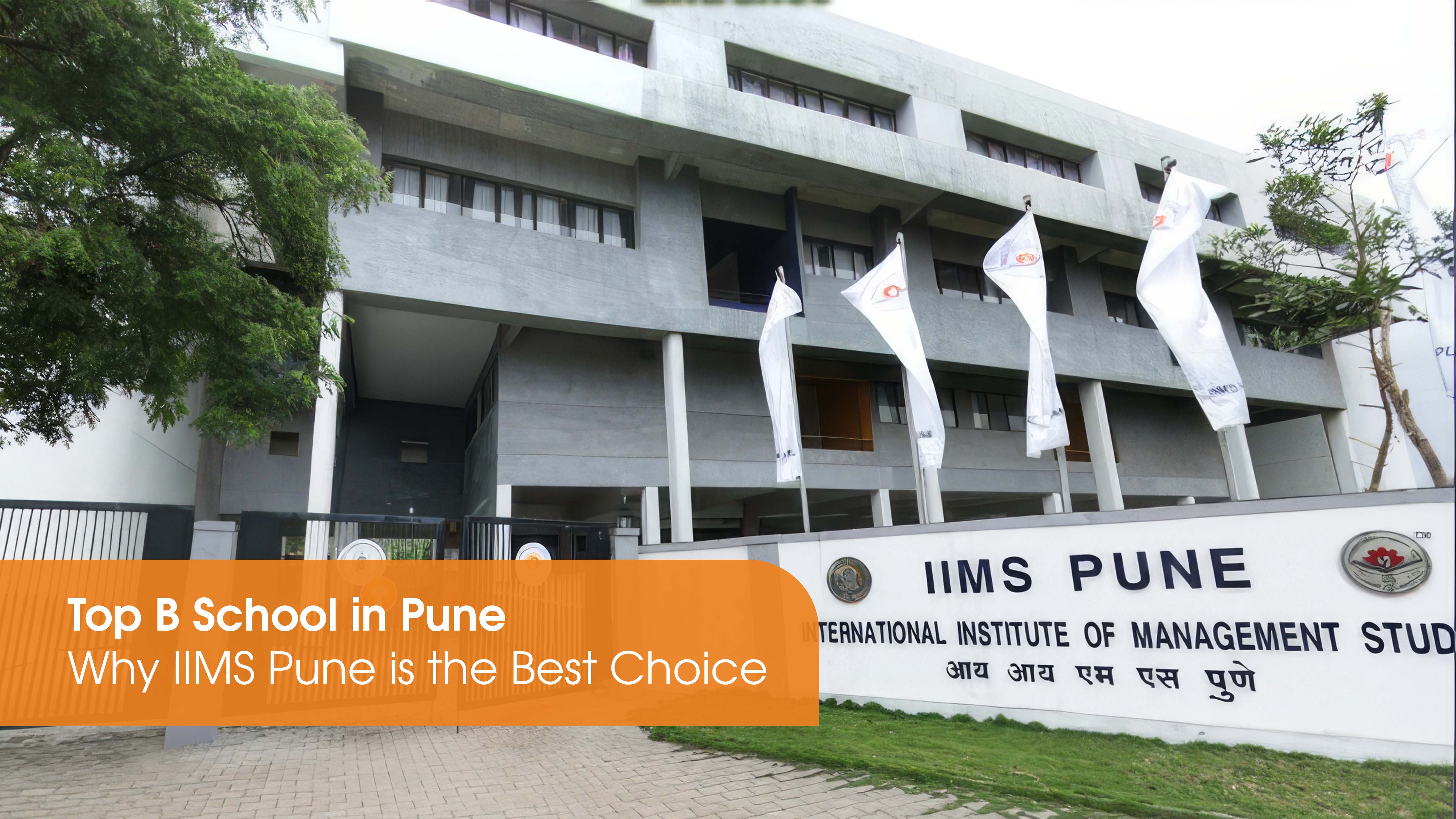





As the admission season is about to kickstart and candidates are gearing up to prepare for some of the popular management exams such as Common Admission Test (CAT), IIFT, Xavier Aptitude Test (XAT), NMAT by GMAC and Symbiosis National Aptitude Test (SNAP).
Difference Between MBA Vs PGDM is Aspirants are looking for relevant MBA courses and MBA colleges in India or the PGDM colleges in India which they can consider for admissions.
It is an apt time to figure out the type of MBA course and top MBA colleges in India where you should apply.
Before preparing your college list, it is essential that you know the difference between the MBA course and Post Graduate Diploma Programme (also known as PGDM and PGP) course.
While preparing for CAT 2019 and other such MBA entrance exams, you must ensure that you put in the best of your efforts in order to secure a good score in the exam.
The entrance exam score is important but is not the sole criteria for admissions in top MBA or PGDM colleges of the country.