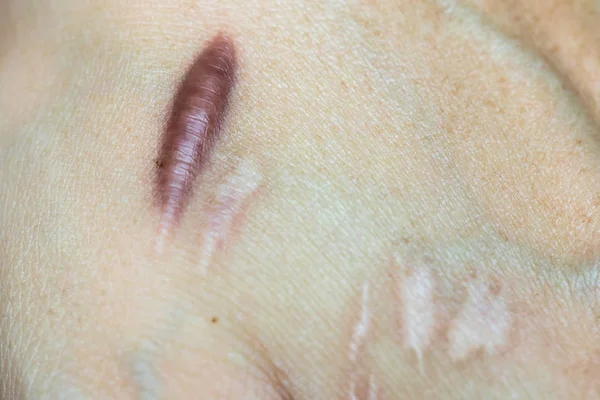


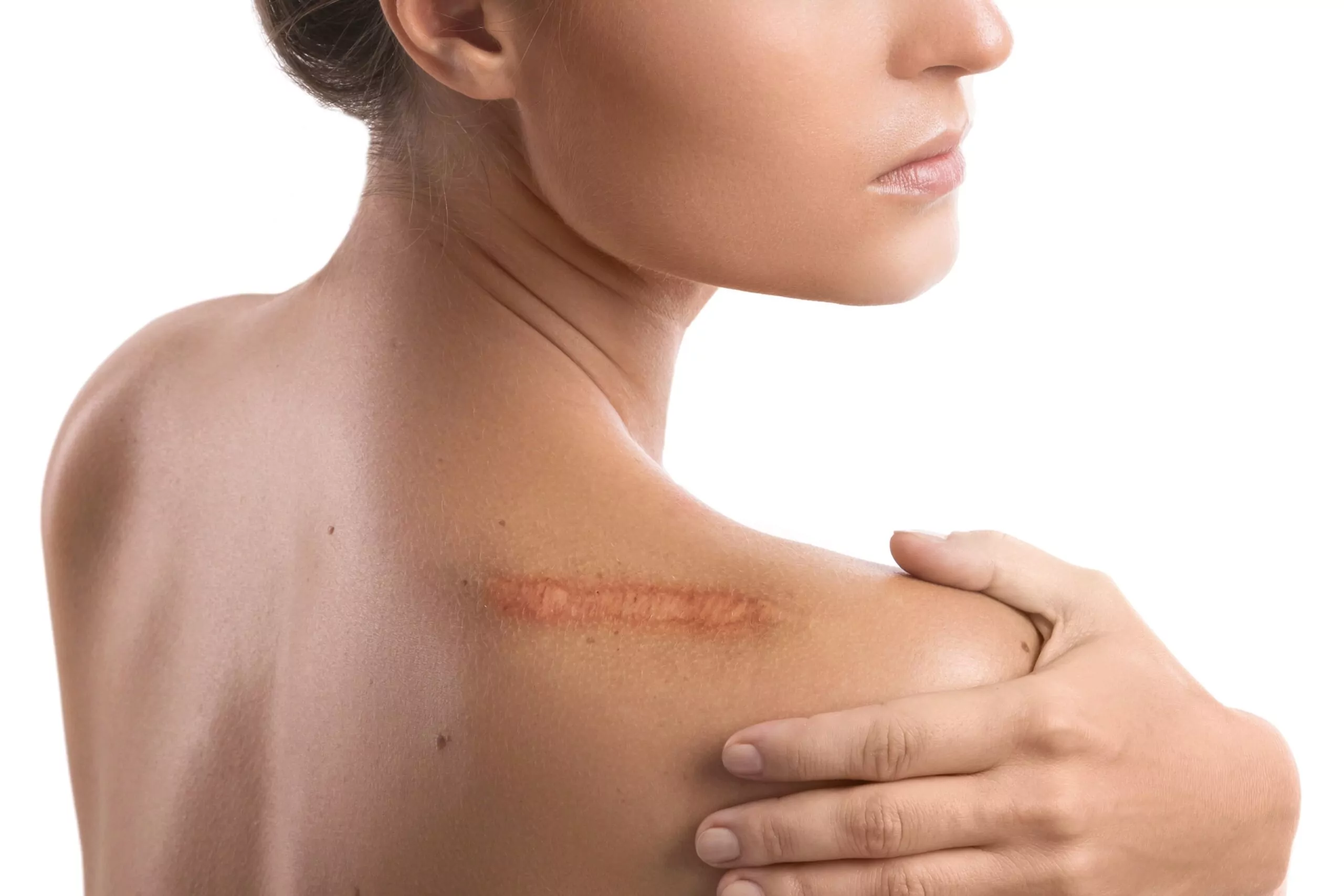
Keloids are unique scars defined by their thick, raised appearance, which results from the body producing an excessive amount of collagen during the healing process. While they pose no physical danger, they can be a source of cosmetic concern or discomfort. Keloid surgery offers a way to remove these overgrown scars, but like any surgical procedure, it comes with specific risks that anyone considering treatment must understand.
Understanding the Procedure
A keloid is an overgrowth of tissue in response to a skin injury or wound. Keloid surgery involves removing this excess scar tissue. The technique used varies based on the size and location of the keloid. It can include excision (removing the scar with a scalpel), cryotherapy (freezing the tissue with liquid nitrogen), or specialized laser surgery.
The Most Significant Risks of Keloid Surgery
When you opt for keloid surgical removal, you must manage several key potential risks:
The greatest concern is keloid recurrence. Simply cutting away a keloid can sometimes trigger an even more aggressive healing response, causing the scar to grow back, often larger and more noticeable than the original. This risk is notably higher for individuals with a history of developing multiple keloids. Surgeons often mitigate this by combining excision with follow-up therapies, such as steroid injections or radiation.
As with any procedure that breaks the skin barrier, there is always a risk of infection at the surgical site, which may lead to localized pain, redness, and swelling. Similarly, bleeding is a risk during or immediately after the surgery, which could result in a hematoma (a collection of blood under the skin) that causes bruising and swelling.
Though the surgery is performed to eliminate a scar, the procedure itself will create a new scar. The final appearance of this new scar depends on the original keloid’s size, its location, and the skill of the surgeon. Furthermore, patients should expect some degree of pain, particularly during the initial recovery period, which is typically managed with medication.
Lastly, some individuals experience temporary changes in skin sensation, such as numbness or tingling, in the area being treated. And since keloid surgery requires anaesthesia, there are general risks associated with that, ranging from minor reactions like nausea to more serious complications.
How to Proactively Minimize the Risks
While risks exist, they can be significantly minimized through diligent preparation and care:
- Choose a Skilled and Experienced Surgeon: This is the most critical step. Select a surgeon who specializes in keloid removal and utilizes combined treatment approaches. Their expertise directly minimizes the risk of complications and recurrence.
- Follow Pre-Surgery Instructions Precisely: Adhere strictly to all instructions given by your surgeon, such as avoiding specific medications or fasting. This reduces the risk of complications related to anaesthesia.
- Ensure Proper Wound Care: After the procedure, follow all post-surgery instructions carefully. This includes keeping the surgical area clean, changing dressings as recommended, and avoiding any activities that could put strain or tension on the healing wound.
By being aware of these risks and taking proactive steps to minimize them, you can improve the likelihood of a successful surgical outcome.
If you are facing any severe skin related problemlike keloid, Do contact the best dermatologist in Tirupati, Dr Prakash Sajja.
Dr Sajjas clinic, Phone: 9440830455 or fill out our appointment form to get in touch!