



If you’ve been following wellness or skincare trends, you’ve probably noticed a surge in talk about anti-ageing peptides. These powerful compounds are celebrated as a scientific breakthrough for youthful skin and longevity. But behind the hype lies a deeper story — one that reveals both the genuine rewards and the less-discussed risks.
What Exactly Are Anti-Ageing Peptides?
Peptides are short chains of amino acids that serve as the building blocks of proteins like collagen and elastin. In the skin, they help signal cells to produce more collagen and repair damaged tissue. In recent years, they’ve become the cornerstone of advanced skincare formulations, offering visible improvements in firmness, hydration, and texture.
Studies in 2024 and 2025 have shown that certain peptides can boost collagen levels, improve elasticity, and reduce fine lines when used consistently. Some multi-peptide complexes demonstrated significant improvement in skin firmness within just eight weeks of regular use.
But beyond cosmetic effects, researchers are exploring peptides for deeper anti-ageing benefits — such as repairing cellular damage, supporting immune function, and slowing biological ageing.
The Promising Rewards
While the marketing buzz can be overwhelming, there are real scientific reasons why anti-ageing peptides are capturing attention:
Collagen Stimulation: Peptides like Palmitoyl Pentapeptide-4 and Matrixyl have shown promise in enhancing collagen production, which helps reduce visible wrinkles.
Improved Skin Barrier: They help strengthen the skin’s natural barrier, locking in moisture and defending against environmental stress.
Cellular Repair: Some peptides assist in DNA repair and tissue regeneration, potentially contributing to slower cellular ageing.
Expanding Research Applications: Scientists are now exploring peptide use for internal benefits — including muscle preservation, immune response, and even neurological protection.
The science continues to evolve, and databases tracking peptide research show rapid growth, reflecting global interest in their anti-ageing potential.
The Hidden Risks You Shouldn’t Ignore
Despite their promising potential, anti-ageing peptides are not a miracle solution. Understanding the risks and limitations is essential before investing in products or treatments.
1. Limited Long-Term Human Data
Much of the data we have comes from short-term or animal studies. While early results are positive, we still lack long-term human trials that confirm both safety and sustained results.
2. Formulation and Stability Challenges
A peptide’s effectiveness depends heavily on how it’s formulated. If the compound isn’t stable or fails to penetrate the skin, it may deliver minimal results. The quality of the carrier and preservation system is just as important as the peptide itself.
3. Overhyped Marketing
Many products exaggerate their results, implying they can “erase years overnight.” In reality, peptides can help the skin look younger — but they can’t reverse ageing completely. Some brands use scientific terminology to appear credible without real evidence.
4. Potential Side Effects
While rare, reactions like redness, irritation, or sensitivity can occur, especially with concentrated formulas or injections. Consulting a qualified professional before starting peptide-based treatments is crucial.
When Science Meets Conspiracy News
The conversation around peptides often spills into the world of conspiracy news, especially online. Claims like “Big Pharma is hiding the secret peptide that reverses aging” or “peptides are the real fountain of youth they don’t want you to know about” reflect how misinformation spreads in the age of viral content.
This crossover between health science and conspiracy narratives has become more visible in recent years. The reasons are clear: aging is emotional, and the promise of eternal youth can make even skeptical audiences more receptive to sensational claims.
In online communities, discussions about peptide research can easily mix with unfounded theories, creating confusion between verified science and unverified speculation. While legitimate peptide research exists and is rapidly advancing, it’s important to separate credible information from the noise amplified by conspiracy-driven platforms.
How to Stay Informed and Safe
Navigating the growing market for anti-ageing peptides requires both curiosity and caution. Here’s how to evaluate the facts before you buy or believe:
Verify the Source: Choose scientific journals, dermatologists, or credible research updates instead of social media claims.
Beware of Buzzwords: Phrases like “secret formula” or “suppressed cure” often signal exaggerated marketing.
Understand the Formulation: Not all peptides are created equal. A stable formula with proper delivery mechanisms is vital for real results.
Check Ingredient Lists: Look for clinically backed peptides such as Matrixyl, Argireline, or Copper Tripeptide-1.
Ask for Transparency: Brands or clinics should provide details on peptide concentration, purity, and safety testing.
Be Realistic: Peptides can improve the skin’s appearance and health, but they cannot stop aging entirely.
Why a Balanced Perspective Matters
The field of peptide science is expanding rapidly, but so is the noise around it. As conversations about longevity and biotechnology grow, separating fact from fiction becomes critical. Conspiracy-styled claims not only mislead the public but can also overshadow genuine breakthroughs happening in anti-ageing research.
Rather than chasing quick fixes, it’s wiser to approach peptides as part of a holistic approach to skin health — supported by balanced nutrition, proper rest, and consistent skincare. This approach helps you harness the real benefits without falling prey to overblown promises.
Final Takeaway
The story of anti-ageing peptides is one of potential and perception — scientific innovation paired with public fascination. The rewards are clear: better collagen support, smoother skin, and the possibility of slowing visible signs of ageing. Yet the risks — limited human data, unstable formulations, and misinformation driven by conspiracy news — highlight why skepticism and science should always go hand in hand.
By staying informed, questioning the hype, and trusting credible research, you can appreciate the real power of peptides without getting lost in the noise




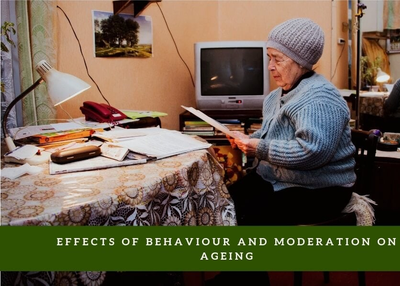
You are at risk of premature ageing when your excesses clash with the relaxed and rejuvenating pace of nature. Review research relevant to understanding the impact of ageing attitudes on behaviour.