

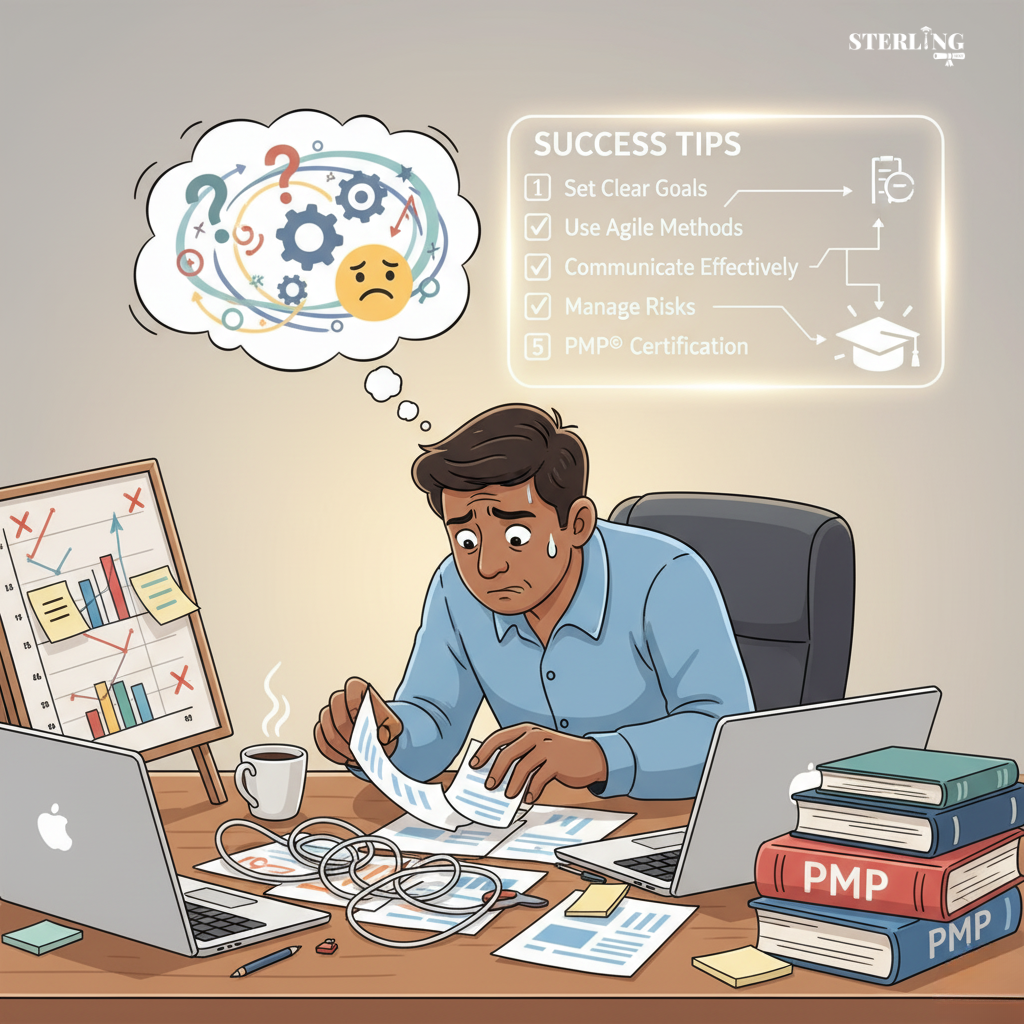
Preparing for PMP certification demands focus and a structured approach. Many professionals start with enthusiasm, yet common PMP exam mistakes can slow progress and lower confidence. Some underestimate the time needed, while others focus too much on memorization rather than understanding. Ignoring practical application or skipping practice tests are additional pitfalls that can affect performance. Recognizing these errors early allows you to plan effectively and improve your chances of success on the exam.
Misjudging the Time Required
A frequent error is underestimating how much time preparation actually demands. PMP preparation is not something that can be completed quickly or last minute. Some candidates assume a few weeks of study will suffice, while others postpone until deadlines approach and rush through materials without real understanding.
Set a steady schedule from the start. Break your preparation into phases: learning concepts, practicing questions, and reviewing weaker areas. Ideally, allow at least two to three months for consistent study. Treat this process like a project with clear milestones, checkpoints, and reviews. This approach helps knowledge sink in and prevents burnout.
Ignoring the Exam Content Outline
Jumping straight into textbooks or online courses without reviewing the official Exam Content Outline is another common mistake. The outline defines which topics appear on the exam and the weight each carries. Skipping it is like building a house without a blueprint.
Take time to study the outline carefully before using any resource. It highlights domains such as people, process, and business environment. Aligning your study with this framework ensures you focus on what matters most. You can reference the Project Management Principles page for further clarity on these topics.
Relying on a Single Study Source
Some candidates depend entirely on one book or course. PMP questions often test your ability to apply knowledge, not just recall facts. Relying on a single perspective can leave gaps in understanding.
Use a mix of learning materials: textbooks, official guides, online content, and discussion groups. Exposure to multiple sources helps you see concepts from different angles and understand real-world applications better. This approach improves retention and flexibility in answering situational questions.
Skipping Mock Tests
Avoiding full-length mock tests is a mistake many aspirants make. Some assume they can handle the real exam without practice. PMP is long and mentally demanding, and without mock exams, even well-prepared candidates can struggle with time management and fatigue.
Mock tests are essential to simulate exam conditions and identify weaknesses. Treat each practice exam as if it were the real test, completing it in one sitting and reviewing every answer afterward. For example, reviewing strategies can provide additional insight and help identify patterns in mistakes. Consistent testing builds confidence and improves focus under pressure.
Memorizing Instead of Understanding
Some aspirants focus too much on memorizing processes, formulas, or definitions. PMP is about applying knowledge in realistic scenarios rather than recalling facts.
Shift focus to understanding the reasoning behind each process. For instance, don’t just memorize risk management steps; understand why each step exists and how it impacts decisions. Knowledge applied thoughtfully is more useful than rote memorization and prepares you for unfamiliar situations on the exam.
Ignoring Real-World Experience
PMP emphasizes professional experience, but some candidates treat it purely academically. Exam questions often mirror workplace challenges. If you overlook personal project experience, you miss practical insights that can guide correct answers.
When reviewing concepts, reflect on past projects. Consider how you handled challenges and what could have been done differently. Connecting theory to personal experience strengthens comprehension and makes recalling information during the exam more intuitive.
Neglecting Weak Areas
Focusing only on familiar or enjoyable topics is a common pitfall. This leaves gaps in preparation, as every domain in the exam carries weight. Ignoring weaker areas can impact overall performance.
Identify challenging topics and review them regularly. Use different resources or discuss with peers to clarify difficult concepts. Repetition and varied explanations help turn weaknesses into manageable areas.
Poor Time Management During the Exam
Even well-prepared candidates sometimes fail due to time mismanagement. Spending too long on difficult questions leaves insufficient time for others, causing stress and errors.
Develop a time strategy during practice exams. Allocate reasonable time per question, move on if needed, and mark items for review. This ensures all questions get attention and prevents panic. Time management is as important as content mastery.
Skipping Revision
Some aspirants assume that once material is studied, revision is unnecessary. Skipping review weakens memory and confidence. PMP exams require recall of many details, and without revisiting content, information fades.
Set aside at least two weeks for focused revision. Revisit notes, review key formulas, and retake your hardest practice exams. Regular revision strengthens understanding and helps you retain information effectively.
Neglecting Rest and Health
Long hours of study, poor sleep, and stress can reduce focus and performance. Physical and mental well-being is critical during preparation.
Include breaks, maintain healthy meals, and ensure adequate sleep. Before the exam, avoid last-minute cramming. A well-rested mind processes information better and handles pressure with clarity.
Conclusion
Success in PMP certification comes from preparation, reflection, and steady effort. Avoiding these common mistakes positions you for better results. Treat the process as professional growth. Learn steadily, test yourself, and adjust strategies when needed.
Every project manager improves through experience and reflection. PMP preparation is no different. Approach it with awareness, focus, and patience, and you will increase your ability to handle both the exam and real-world project challenges.
Review PMP concepts regularly to stay confident and prepared