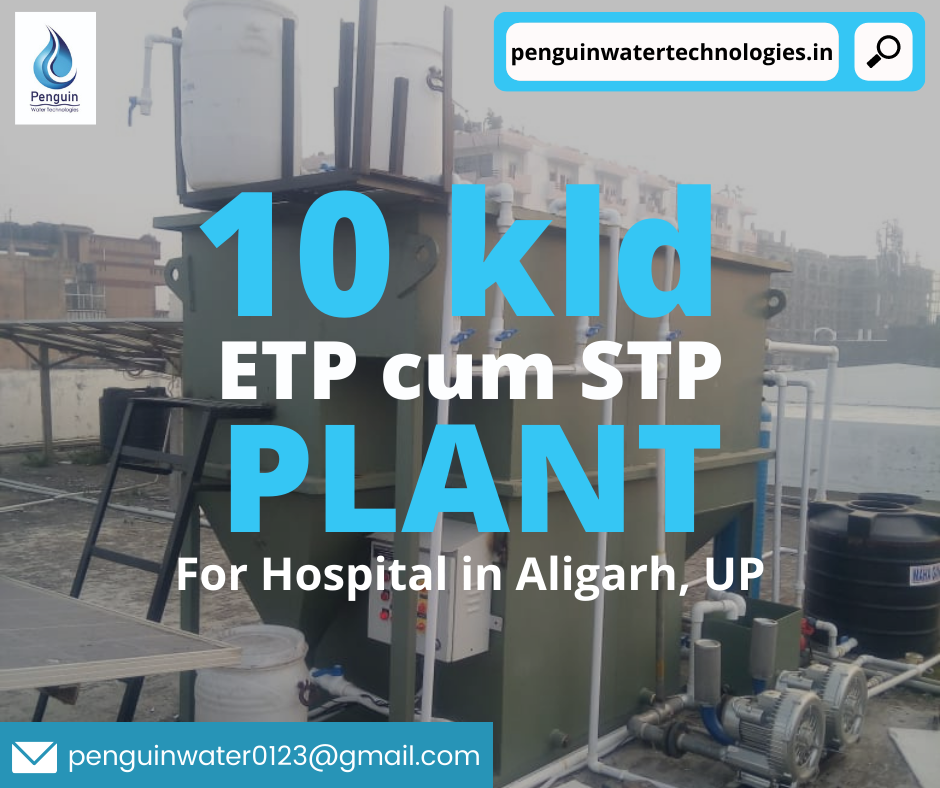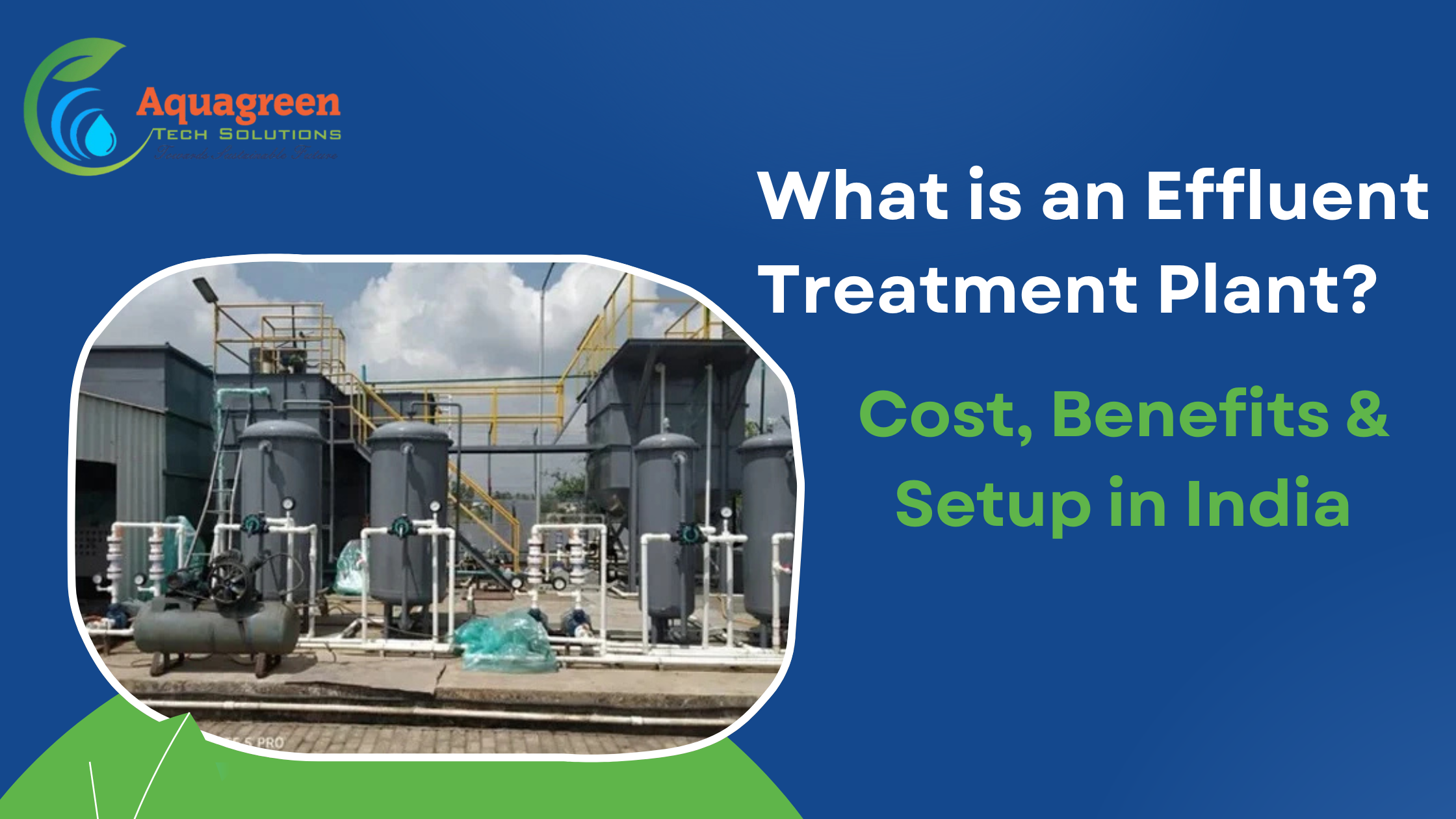
You might be wondering, “What’s the big thing about wastewater treatment ?” Well, think about it — every industry, from textiles and chemicals to food processing and pharmaceuticals, uses tons of water every single day. And when that water’s work is over, it doesn’t just disappear. It turns into wastewater — full of oils, chemicals, and other pollutants.
How an Effluent Treatment Plant Works: Step-by-Step
ETP Effluent Treatment Plants treat water in stages, each removing different pollutants:
Preliminary Treatment: Screens and filters remove large debris and sand to prevent blockages in later stages.
Primary Treatment: Sedimentation tanks remove heavy solids, reducing the load for secondary treatment.
Secondary Treatment: Targets organic matter using microbes in aeration tanks.
Tertiary Treatment: Polishes water using chemical dosing, filtration, or UV treatment for safe discharge or reuse.
Sludge Treatment: Waste solids are processed separately and can be converted to bio-solids or safely disposed.
Key Stages of an ETP
Screening and filtration
Sedimentation
Biological treatment
Tertiary polishing and disinfection
Sludge handling
In short: Screen — Settle — Treat — Polish — Dispose.
ETP plant Process
Types of Effluent Treatment Plants
Industrial ETP: For large factories producing heavy wastewater.
Chemical ETP: Designed for dye, chemical, or pharmaceutical industries.
Common ETP (CETP): Shared by multiple small units in an industrial area.
Even small industries can use common effluent treatment plant to save costs while meeting regulations.

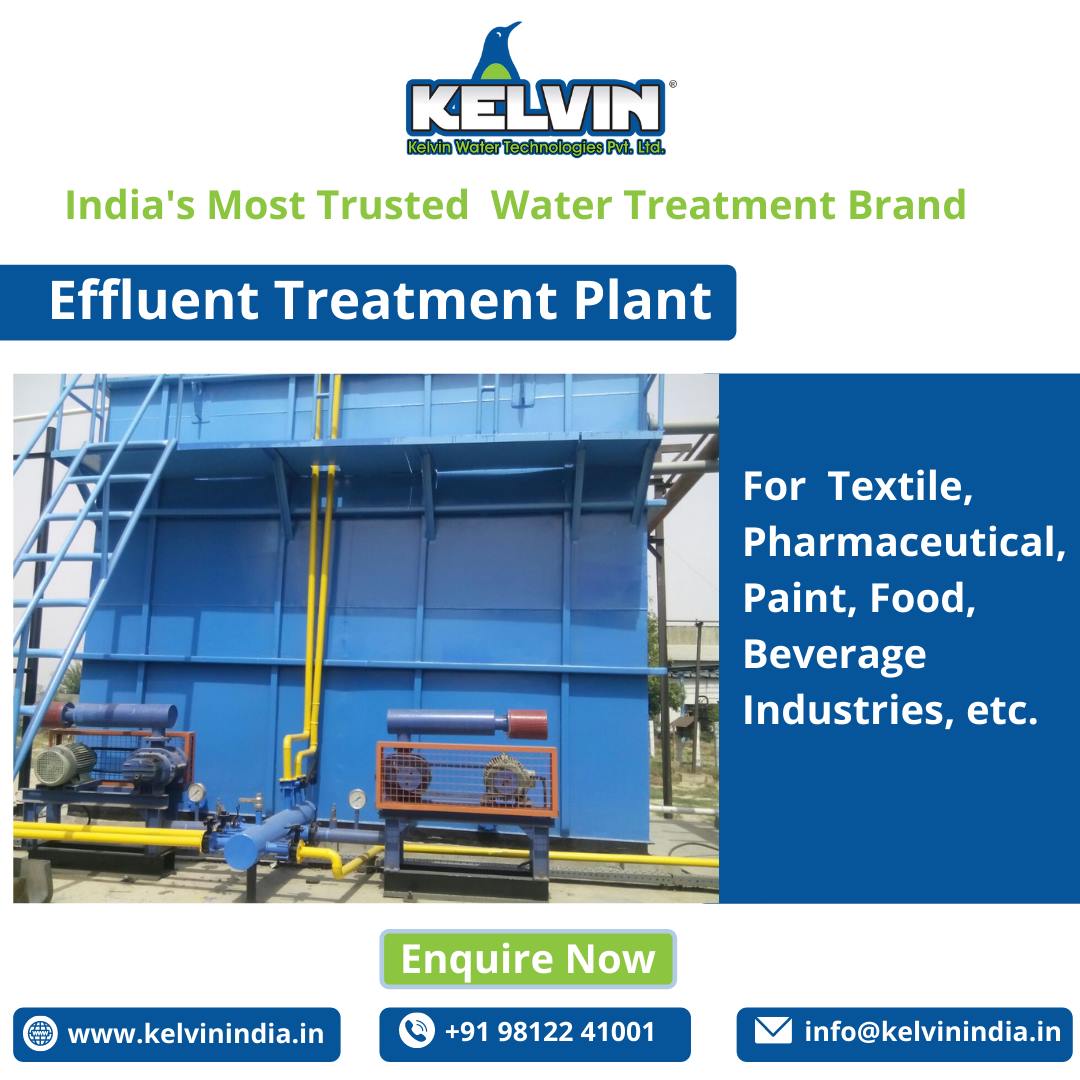
Kelvin Water Technologies Pvt Ltd are leading manufacturer, consultant, supplier and service provider of Effluent Treatment Plant in India.