SMS has been the most common way for businesses to send alerts, promotions, notifications, and transactional messages. However, the digital communication landscape has changed dramatically. Today’s customers expect richer, more interactive, and more personalized communication experiences, which traditional SMS simply cannot deliver. This is where Rich Communication Services, or RCS messaging, becomes a powerful alternative. RCS brings advanced features like multimedia, branding, smart replies, verified business profiles, and real-time interaction—all inside the user’s default messaging app. As businesses move beyond basic bulk SMS service, the shift toward RCS messaging is becoming both necessary and strategic. This guide explains the differences between SMS and RCS, highlights their benefits, and shows why upgrading to RCS can significantly improve customer engagement.
What Are Rich Communication Services?
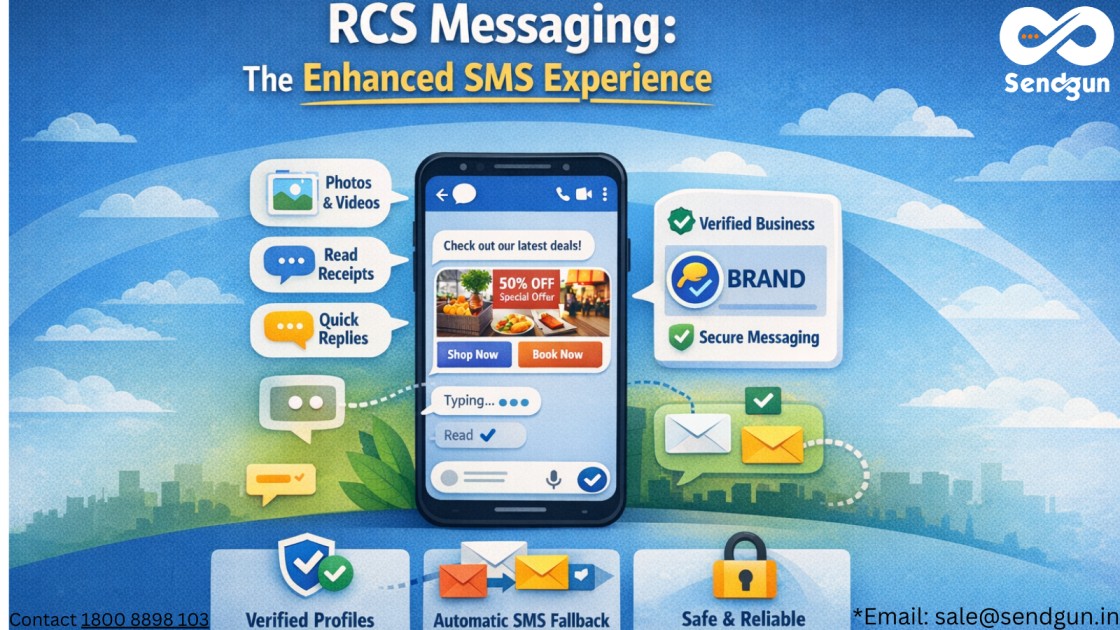
Rich Communication Services (RCS) is an upgraded messaging protocol designed to replace traditional SMS. Unlike SMS, which supports only plain text, RCS enables businesses to send rich media and interactive content. These include high-resolution images, video messages, branded headers, carousels, smart buttons, and real-time updates. RCS messaging works directly inside the device’s native messaging app, requiring no third-party installation. RCS also includes advanced delivery features such as read receipts, typing indicators, and verified sender profiles. This makes it a powerful communication tool for marketing, customer service, and transactional messaging.
How SMS Works: A Quick Overview
SMS (Short Message Service) has been the industry standard since the early 1990s. It is supported by all mobile devices and telecom operators worldwide. SMS is highly reliable, simple, and widely accessible, which is why many businesses still use it for alerts and notifications. However, SMS has limitations. It supports only 160 characters, cannot send high-quality media without switching to MMS, and offers no branding, verification, or interactivity. In a world where customers interact daily with feature-rich apps, SMS often feels outdated.
Key Differences Between Rich Communication Services and SMS
1. Message Format and Media Support
SMS supports only plain text. Even multimedia requires MMS, which compresses images and videos heavily. On the other hand, RCS messaging supports full-quality images, GIFs, videos, carousels, and product cards. This makes RCS ideal for promotional campaigns, onboarding flows, and interactive customer engagement.
2. Interactivity and Smart Actions
SMS does not support buttons, quick replies, or embedded links beyond plain URLs. RCS supports:
• Quick reply buttons
• Action buttons like Buy Now, Track Order, Call Support
• Product cards
• Carousels and catalogs
These interactive features significantly improve user engagement and click-through rates.
3. Branding and Business Verification
SMS messages appear as simple text from a number or sender ID. There is no branding or identity verification. Rich Communication Services provide verified business profiles with brand name, logo, colors, and identity confirmation. This builds trust and reduces phishing risks.
4. Read Receipts and Delivery Insights
SMS delivery reports are basic and inconsistent. RCS offers:
• Read receipts
• Message open tracking
• Typing indicators
• Better delivery accuracy
This helps businesses understand customer behavior and optimize communication.
5. Customer Trust and Security
SMS is vulnerable to spoofing and fake sender IDs. RCS uses operator-verified business profiles, making it more secure. Customers can immediately recognize genuine business messages.
6. Cost Efficiency and ROI
Traditional bulk SMS service is affordable but limited in impact. RCS messages have higher engagement and conversion rates, making campaigns more cost-efficient long-term. Businesses get more value per customer interaction.
Why Businesses Should Upgrade to Rich Communication Services
Upgrading to RCS messaging is not just about following a trend. It offers tangible advantages.
1. Higher Engagement Rates
RCS campaigns often achieve up to 3–10 times higher engagement compared to SMS due to interactive elements and visual content.
2. Better Customer Experience
RCS creates app-like experiences in the messaging inbox. For example, an e-commerce business can send product carousels, purchase buttons, and order updates—all inside a single chat.
3. Improved Conversions
Smart CTAs streamline the user journey. Instead of clicking links or opening apps, customers can make decisions directly inside the RCS interface.
4. Stronger Brand Presence
With verification, logos, and color branding, RCS messages appear modern and professional. SMS cannot match this level of experience.
5. Ideal Replacement for Basic SMS Campaigns
Whether you send promotional messages, reminders, OTPs, or customer support responses, RCS offers a richer and more effective alternative.
Practical Examples of RCS Messaging in Business
E-Commerce
Send order confirmations, delivery updates, and product recommendations using rich media.
Healthcare
Send appointment reminders, test results, and follow-up instructions through interactive cards.
Finance
Provide secure alerts, statements, and quick reply options for support.
Retail and Food Delivery
Show menu cards, product catalogs, and real-time tracking options.
RCS Messaging vs Bulk SMS Service: Which Should You Choose?
SMS remains valuable for basic alerts and essential communication, especially when wide device compatibility is necessary. However, for marketing, customer service, and interactive engagement, Rich Communication Services offer far superior capabilities. Businesses looking to stand out and provide modern communication experiences should prioritize RCS messaging.
How to Move from SMS to RCS Messaging
• Choose a trusted RCS messaging provider
• Register your business profile for verification
• Upgrade templates from SMS format to rich media
• Launch interactive RCS campaigns
• Track performance with advanced analytics
Transitioning is simple because RCS messages automatically fall back to SMS if a device does not support RCS.
Conclusion
SMS has played an important role in business communication for decades, but customer expectations have evolved. Rich Communication Services provide a modern, interactive, and visually appealing alternative with higher engagement, better branding, and stronger customer trust. Whether you use basic SMS alerts or a bulk SMS service, upgrading to RCS messaging can significantly improve your communication strategy. Businesses that adopt RCS early will enjoy a competitive advantage in customer experience, marketing performance, and brand visibility. To enhance your communication and unlock richer customer engagement, consider switching to RCS messaging today.
FAQs
1. What are Rich Communication Services?
Rich Communication Services is an advanced messaging technology that supports multimedia, interactive buttons, and verified business profiles.
2. Does RCS messaging replace SMS?
Yes, whenever supported. If not supported, messages automatically fall back to SMS.
3. Is RCS messaging more effective for marketing?
Yes. RCS offers higher engagement and conversion rates due to its interactive and visual elements.
4. Do customers need to install an app for RCS?
No. RCS works directly inside the default messaging app on supported devices.
5. Is RCS compatible with all phones?
Currently, it is widely supported on Android, with broader adoption expected in the coming years.