


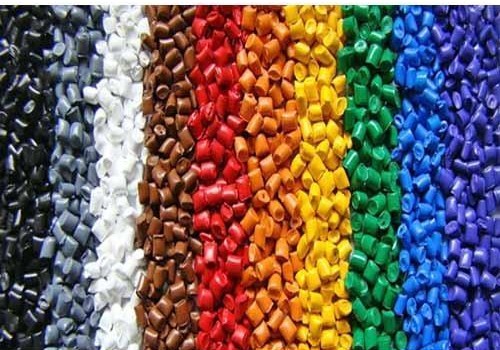
In the world of plastic manufacturing, selecting the right raw materials can make the difference between a successful product line and costly production failures. Plastic granules, the building blocks of countless products we use daily, come in various types, each with unique properties and applications. Whether you're a seasoned manufacturer or just starting your production journey, understanding how to choose the appropriate plastic granules is crucial for your business success.
Understanding Your Manufacturing Requirements
Before diving into the vast ocean of plastic granule options, it's essential to clearly define your manufacturing needs. Ask yourself: What product are you creating? Will it need to withstand high temperatures? Does it require flexibility or rigidity? Will it be exposed to chemicals or outdoor elements? These fundamental questions form the foundation of your selection process.
Consider the end-use environment of your product. Items designed for medical applications require different materials than those intended for outdoor furniture or food packaging. Each application demands specific properties that only certain types of plastic granules can provide.
Key Types of Plastic Granules and Their Applications
Polyethylene (PE) granules are among the most versatile options available. Low-density polyethylene (LDPE) offers excellent flexibility, making it perfect for plastic bags and squeeze bottles. High-density polyethylene (HDPE), on the other hand, provides superior strength and chemical resistance, ideal for containers, pipes, and heavy-duty applications.
Polypropylene (PP) granules stand out for their heat resistance and durability. These characteristics make them excellent choices for automotive parts, food containers that need to withstand microwave heating, and medical devices that require sterilization.
Polyvinyl Chloride (PVC) granules offer exceptional versatility. Available in both rigid and flexible forms, PVC serves diverse industries from construction (pipes, window frames) to healthcare (medical tubing, blood bags). Its cost-effectiveness and durability make it a popular choice for long-lasting applications.
Polystyrene (PS) granules provide excellent insulation properties and ease of processing. Whether you're manufacturing disposable cups, packaging materials, or insulation boards, PS granules offer an economical solution without compromising quality.
Critical Factors in Your Selection Process
Mechanical Properties should top your consideration list. Evaluate the tensile strength, impact resistance, and flexibility requirements of your final product. A children's toy needs different mechanical properties than an industrial component. Understanding these requirements prevents product failures and ensures customer satisfaction.
Temperature Resistance plays a vital role in material selection. Products exposed to extreme temperatures need specialized granules. While standard plastics might deform under heat, engineering plastics like polycarbonate or PEEK maintain their integrity even in challenging thermal conditions.
Chemical Compatibility cannot be overlooked, especially for products that will contact various substances. Some plastics excel at resisting acids, while others better handle oils or solvents. Choosing the wrong material could lead to product degradation or contamination.
Processing Method Compatibility significantly impacts your choice. Different granules suit different manufacturing processes. Injection molding requires materials with specific flow properties, while blow molding needs plastics with good melt strength. Ensure your chosen granules align with your production equipment and methods.
Cost Considerations and Quality Balance
While budget constraints are real, remember that the cheapest option isn't always the most economical in the long run. Factor in processing efficiency, waste reduction, and product longevity. High-quality granules might have a higher upfront cost but often result in fewer defects, less downtime, and better customer satisfaction.
Consider buying from reputable suppliers who provide consistent quality and technical support. Reliable suppliers offer detailed specifications, certificates of analysis, and guidance on optimal processing conditions.
Making Your Final Decision
Successful plastic manufacturing starts with informed material selection. Take time to analyze your specific requirements, consult with material experts, and potentially test small batches before committing to large orders. Remember that the right plastic granules will not only meet your immediate production needs but also contribute to your long-term business success.
Your Partner in Plastic Manufacturing Success
Ready to find the perfect plastic granules for your manufacturing needs? Explore our comprehensive range of high-quality plastic granules at Kamal Plastic. With extensive industry experience and a commitment to quality, we provide the materials and expertise you need to bring your products to life. Visit our product page today to discover solutions tailored to your specific manufacturing requirements.

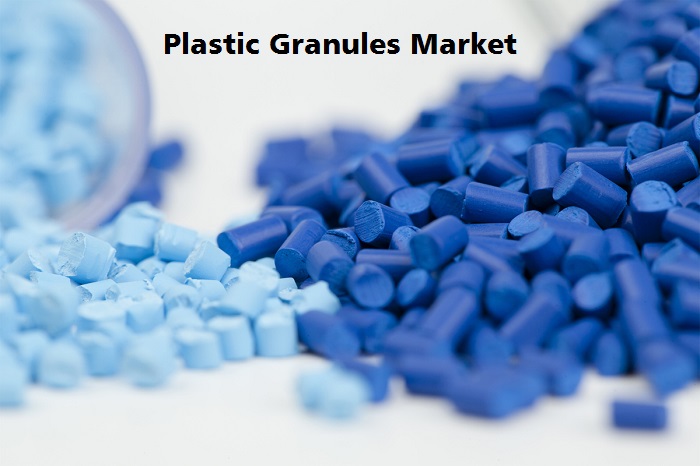
In this report, our team offers a comprehensive analysis of Plastic Granules market, SWOT analysis of the most prominent players in this landscape.
Along with an industrial chain, market statistics in terms of revenue, sales, price, capacity, regional market analysis, segment-wise data, and market forecast information are offered in the full study, etc.
Download Free Sample Report @ https://www.radiantinsights.com/research/global-plastic-granules-market-2020-2026/request-sample This report focuses on top manufacturers in global market, Involved the assessment of Sales, price, revenue and market share for each manufacturer, covering• Dar Al Khaleej Plastics• Nahata Plastics• Vanshika Plastic Industry• Balaji Plastic• Navkar Industries• Shakti Plastic Industries• Tejes Plastics• Wiwat Plastic On the basis of product, this report displays the Sales, revenue, price, market share and growth rate of each type, primarily split into• PP• HDPE• PPCP• LLDPE• LDPE• Others By Application, this report focuses on Sales, Market share and Growth Rate of each application, can be divided into• Plastic products• Clothing• Others By Regions, this report splits global market into several key regions, with Sales, Revenue, Price and Gross Margin market share of top players in these regions, from 2014 to 2026 (forecast), like• China• USA• Europe• Japan• Korea• India• Southeast Asia• South America Browse Full Research Report with TOC @ https://www.radiantinsights.com/research/global-plastic-granules-market-2020-2026 Table of Contents Global Plastic Granules Market Professional Survey Report 20191 Report Overview1.1 Definition and Specification1.2 Manufacturers and Region Overview1.2.1 Manufacturers Overview1.2.2 Regions Overview1.3 Type Overview1.3.1 PP1.3.2 HDPE1.3.3 PPCP1.3.4 LLDPE1.3.5 LDPE1.3.6 Others1.4 Application Overview1.4.1 Plastic products1.4.2 Clothing1.4.3 Others1.5 Industrial Chain1.5.1 Plastic Granules Industrial Chain1.5.2 Upstream1.5.3 Downstream 2.1 The Overall Market Performance(Volume)2.1.1 PP2.1.2 HDPE2.1.3 PPCP2.1.4 LLDPE2.1.5 LDPE2.1.6 Others2.2 The Overall Market Performance(Value)2.2.1 PP2.2.2 HDPE2.2.3 PPCP2.2.4 LLDPE2.2.5 LDPE2.2.6 Others 3 Global Plastic Granules Market Assessment by Application3.1 Overall Market Performance (Volume)3.2 Plastic products3.3 Clothing3.4 Others Continued… Read all Reports of this category @ https://www.radiantinsights.com/catalog/plastics About Radiant InsightsRadiant Insights is a platform for companies looking to meet their market research and business intelligence requirements.
It assists and facilitate organizations and individuals procure market research reports, helping them in the decisions making process.
The Organization has a comprehensive collection of reports, covering over 40 key industries and a host of micro markets.
In addition to over extensive database of reports, experienced research coordinators also offer a host of ancillary services such as, research partnerships/ tie-ups and customized research solutions.