





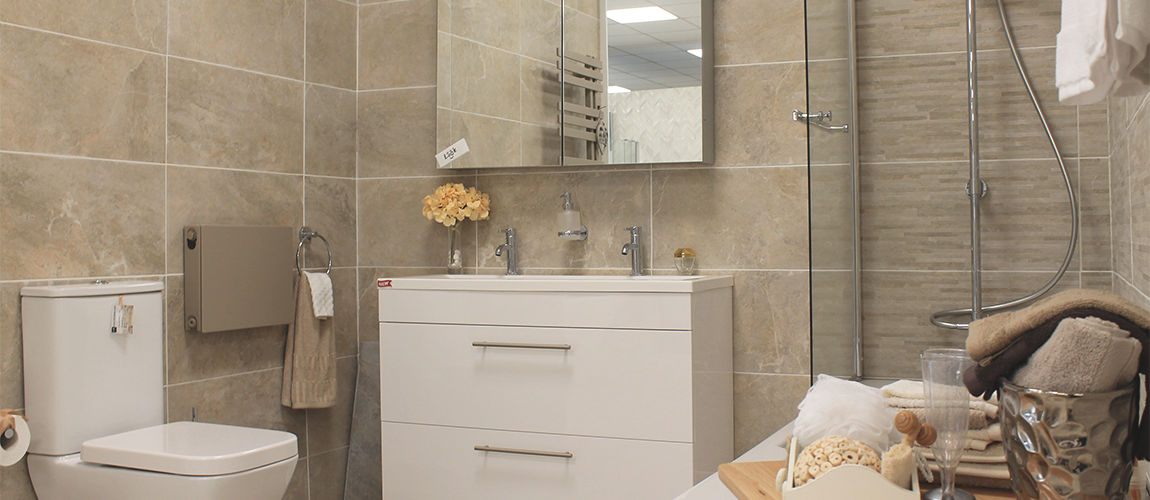
Choosing bathroom floor tiles in the UK can feel tricky, especially when deciding between large and small tiles. Both look good, but size affects bathroom safety, cleaning ease, and feel. In many UK homes where bathrooms tend to be compact, tile size makes a big difference.
This guide breaks down the pros and cons of both, helping you decide which tile size suits your bathroom’s layout, style, and maintenance needs.
Why Tile Size Matters More Than You Think
Bathroom tiles aren’t just about looks; they influence how big or small your bathroom feels. The number of grout lines, how light reflects off the surface, and even how the tiles align with fixtures all shape your space visually.
A few simple rules often apply:
- Fewer grout lines = cleaner, more open look
- More grout lines = better grip, more detail
- Tile scale should match your room size and design style
But there’s more to it than size alone. Let’s look closer at each option.
Large Bathroom Floor Tiles
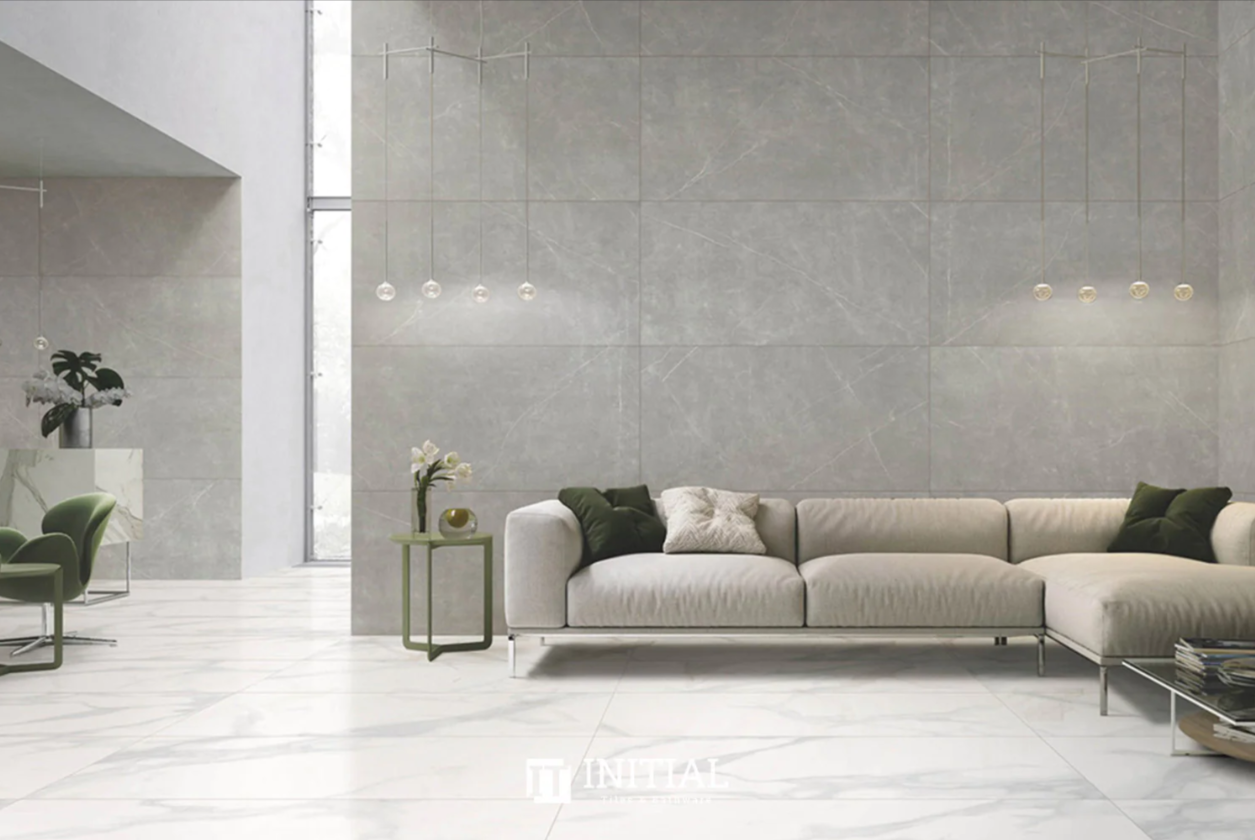
Large tiles are increasingly popular in modern UK bathrooms. They bring a seamless, luxurious look that suits minimalist and contemporary interiors.
Advantages of Large Tiles:
- Fewer grout lines create a smooth, continuous surface, which makes your bathroom appear more spacious.
- Easier cleaning: With less grout to scrub, maintenance takes less time.
- Sleek, modern finish: Perfect for open-plan or en-suite bathrooms where design flow matters.
- Enhanced durability: Larger tiles are often thicker and stronger, ideal for heavy foot traffic.
Things to Consider:
- Installation challenges: Cutting large tiles to fit around fixtures or corners requires precision.
- Slipperiness: Some polished large tiles can be slick when wet; choose anti-slip finishes for safety.
- Weight: Larger porcelain tiles can be heavier, so proper substrate preparation is important, especially for upstairs bathrooms.
Best for:
Medium to large bathrooms, open spaces, and modern designs that aim for a clean, uninterrupted surface.
Small Bathroom Floor Tiles
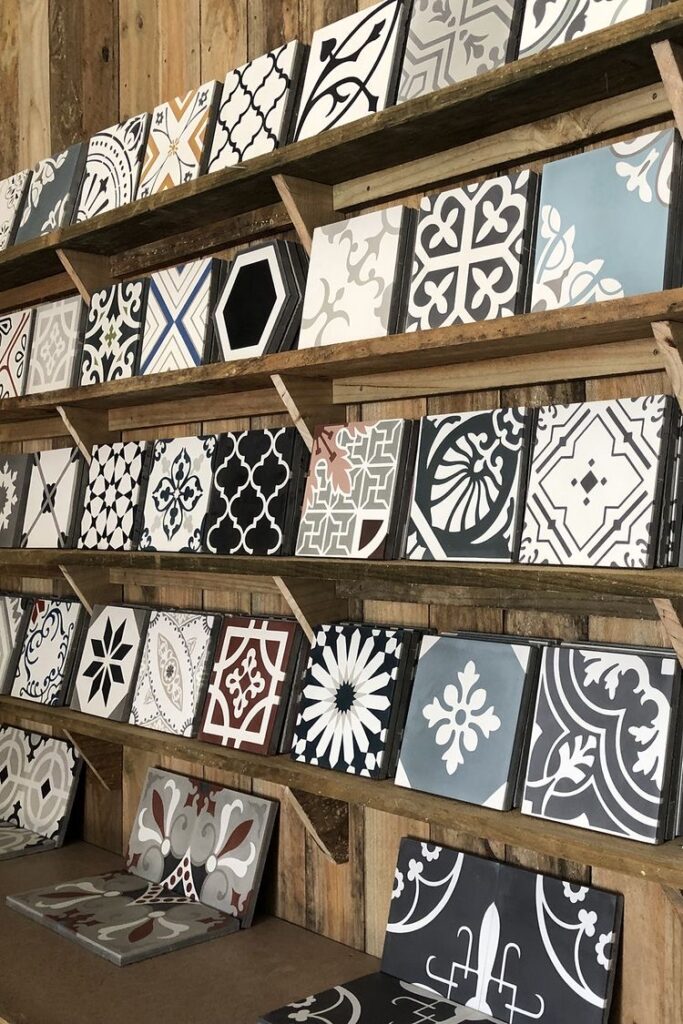
Small tiles have their own charm and practicality. They’re perfect for traditional or vintage-style bathrooms and work well in tight spaces where curves and corners need attention.
Advantages of Small Tiles:
Better grip: More grout lines mean improved traction, ideal for family or guest bathrooms.
Flexible installation: Easier to fit around curved features like toilets, sinks, or baths.
Classic aesthetic: Works beautifully with Victorian or cottage-style interiors common in older UK homes.
Visual texture: Adds depth and character, especially with patterned or mosaic designs.
Things to Consider:
More grout = more cleaning: Grout can collect dirt faster, especially in lighter colours.
Busier appearance: In small bathrooms, too many lines can make the floor look cluttered if not balanced with plain walls.
Time-consuming installation: Laying small tiles evenly takes patience and precision.
Best for:
Small bathrooms, traditional interiors, or spaces where slip resistance and detail matter most.
How Tile Size Affects the Look and Feel of Your Bathroom
Tile size can completely change how a bathroom looks and feels. Large tiles tend to make the room appear more open and spacious, creating a modern, sleek, and minimalist look. They’re also easier to clean since there are fewer grout lines, though installation can be more challenging because of their size and the need for precise cuts.
In contrast, small tiles add more visual texture and character. They’re often used in traditional or vintage-style bathrooms and naturally offer better grip because of the extra grout lines. However, they can require more maintenance and take longer to install.
According to UK home design reports (Houzz 2025), more than 60% of homeowners renovating bathrooms now prefer large-format tiles for a clean, “hotel-style” finish, while smaller tiles continue to be a top choice for wet rooms and classic period properties.
Design Tips for Choosing the Right Tile Size
If you’re still unsure which tile size to go for, consider these simple tips:
- Measure your space first. In very small bathrooms, medium-sized tiles (e.g., 300x300 mm) often work best; large tiles may need excessive cutting.
- Match grout colour to tile colour for a seamless finish with large tiles.
- Use contrasting grout with small tiles if you want to highlight the pattern or layout.
- Consider lighting. Large glossy tiles reflect light well, while small matte tiles absorb it for a warmer look.
- Check slip rating (R value). For bathroom floors, an R10 or higher rating is generally recommended for safety.
- Mix sizes thoughtfully. Some homeowners use large tiles on the floor and smaller ones on walls or in shower areas to create balance.
Real Examples from UK Homes
Compact London Flat (4m² bathroom): Homeowners used small 200x200mm patterned tiles to add character and prevent slips, paired with plain white walls to keep it open.
Family Home in Manchester: Large 600x600mm porcelain tiles created a spa-like effect. With underfloor heating, they stayed warm and comfortable all year round.
Victorian Terrace in Bath: A mosaic tile floor complemented traditional fixtures without making the narrow space feel crowded.
Common Mistakes to Avoid
- Using glossy large tiles without anti-slip coating in wet zones.
- Choosing too many grout line contrasts in small bathrooms, which can break the visual flow.
- Skipping professional levelling: uneven floors can ruin the look, especially with large tiles.
- Ignoring lighting direction: Tile sheen and size can look different under spotlights versus natural light.
Final Thoughts
Whether you prefer the clean, seamless look of large tiles or the detailed charm of small ones, both can elevate your bathroom design when used thoughtfully. Think about your bathroom’s size, lighting, and how much maintenance you’re comfortable with.
Modern bathroom designs for comfort and style often combine the right tile size, finish, and layout to create a balanced, practical, and visually appealing space.
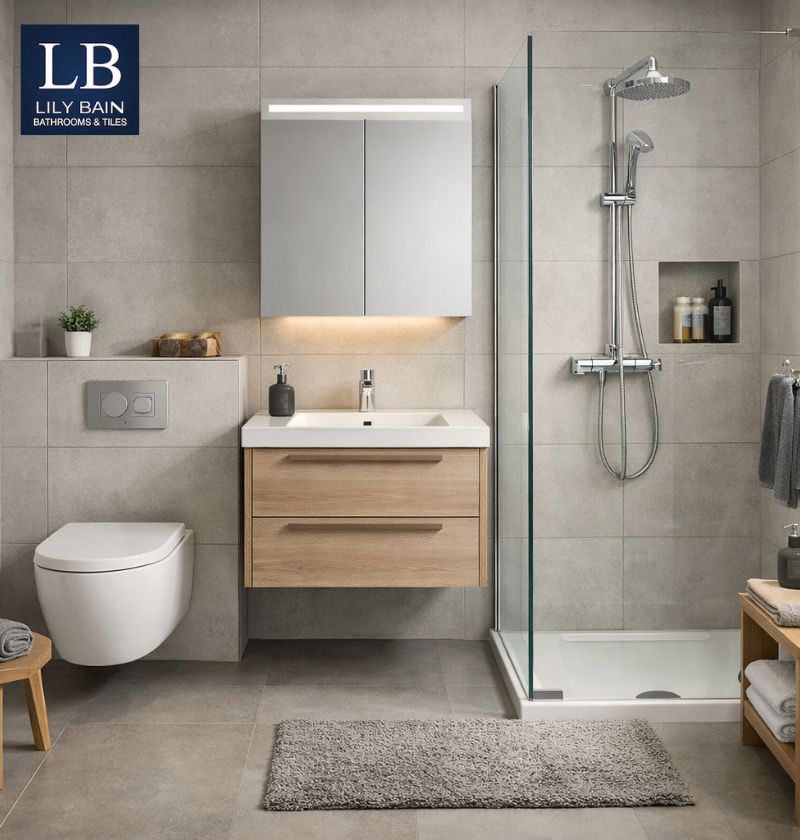
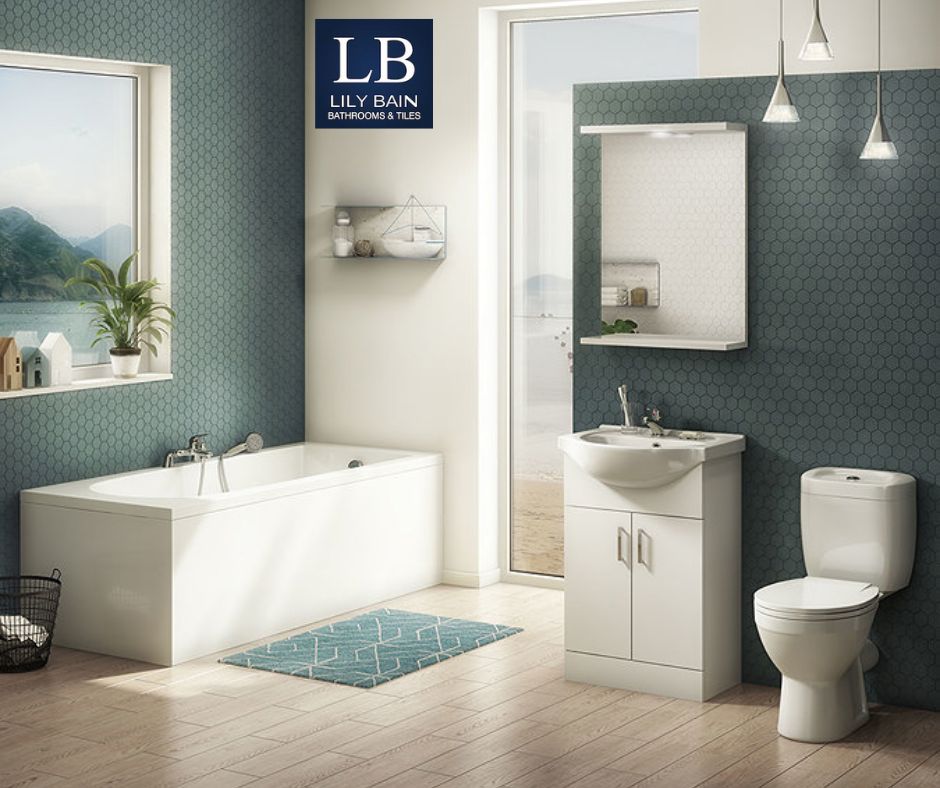
At Lily Bain, you’ll find a range of high-quality bathroom floor tiles suitable for every style, from sleek, large-format porcelain to classic small mosaics. Each design blends durability, elegance, and practical comfort for UK homes.
FAQs
Q1. Can I use large tiles in a small bathroom?
Yes, if installed correctly. Large tiles can actually make a small bathroom look bigger by reducing grout lines. Just ensure proper spacing and slip resistance.
Q2. Are small tiles outdated?
They are not outdated. Small tiles, especially mosaics and patterned options, remain timeless in traditional or vintage bathroom designs.
Q3. What’s the most practical tile size for UK bathrooms?
For most homes, 300x600mm or 600x600mm tiles offer a satisfactory balance of style, grip, and ease of installation.
Q4. Do tile sizes affect heating efficiency?
Larger tiles retain and spread heat more evenly when used with underfloor heating systems, making them ideal for modern setups.

We are the well-established tiling works in Dubai.
Hire best quality tiling services in Dubai at FIX HUB.
Browse through our services for tile works and other services.
We have wide collection of floor tiles, Kitchen tiles, bathroom tiles, wall tiles etc.
FIX HUB tiles assurance you the right look that produce positive attitude and a happy felling 24x7.