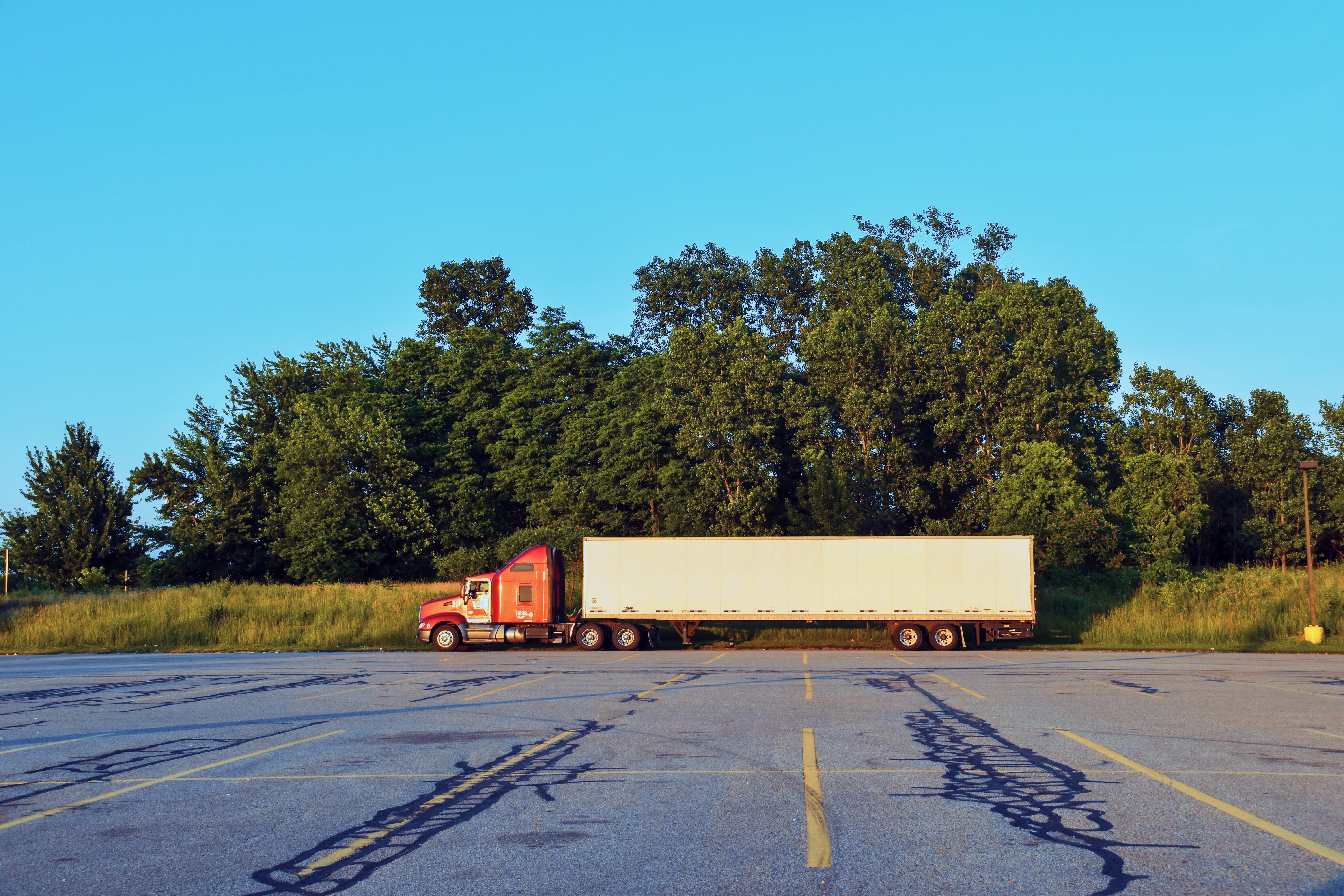
The rumble of the engine powers down, but for most professional truck drivers, the day’s work isn’t over. A new, often stressful, task begins: finding a safe and legal place to park for the night. The widespread shortage of adequate truck parking is one of the most pressing issues in the logistics industry. This isn't just about convenience; it's a critical matter of road safety, driver wellness, and regulatory compliance. The search for a spot consumes valuable time, adds to driver fatigue, and can lead to risky compromises.
This guide is designed to help drivers navigate the complex landscape of truck parking. We will dive into the core challenges that make this daily search so difficult and explore the full spectrum of available solutions. From leveraging technology to find a "parking lot near me" to knowing what makes a location truly secure, you will gain practical strategies to make end-of-day parking a routine, not a risk.
Understanding the Scope of the Parking Problem
For those outside the trucking industry, it can be hard to grasp the scale of the parking crisis. The numbers paint a stark picture. There is a significant imbalance between the number of trucks on the road and the number of available parking spaces. This gap forces drivers into a nightly competition for limited resources, creating a ripple effect of challenges.
Core Challenges in Truck Parking:
- Hours-of-Service (HOS) Pressure: The electronic logging device (ELD) mandate ensures drivers adhere to strict HOS regulations. While crucial for safety, it adds immense pressure. As the clock ticks down, a driver’s window for finding a spot shrinks. Many are forced to park hours before their driving time is up simply because they find an open spot, which cuts into their productivity and earnings. Others may push their limits, risking violations and fines while searching for a non-existent space.
- Personal and Cargo Safety: When designated lots are full, drivers often resort to parking in unsecured locations like highway ramps, vacant lots, or dark industrial parks. These spots make them vulnerable. Cargo theft is a major concern, with criminals targeting unattended trucks. More importantly, personal safety is at stake. Drivers resting in isolated areas are targets for robbery and assault.
- Financial Penalties and Restrictions: Municipalities across the country are increasingly hostile to overnight truck parking. "No Parking" signs are common, and drivers who park in unauthorized zones face steep fines, booting, or even towing. These expenses can be a significant financial burden, and retrieving a towed truck is a logistical nightmare.
- Lack of Basic Amenities: A parking spot is more than just a piece of asphalt. Drivers live on the road and require access to basic human necessities. Many available parking areas lack restrooms, showers, or access to food. This lack of facilities contributes to poor health outcomes, increased stress, and high turnover rates in the industry.
A Breakdown of Truck Parking Options
Knowing your options is the first step toward building a successful parking strategy. Each type has distinct benefits and drawbacks, and the best choice often depends on your location, timing, and specific needs.
Public Rest Areas and Welcome Centers
Managed by state departments of transportation, these are the most common public options. They are located directly on major interstates and are free to use.
Pros: Conveniently located and cost-free. They usually provide basic restroom facilities and a place to stretch your legs.
Cons: These are often the first places to fill up, sometimes as early as mid-afternoon. Many have posted time limits (e.g., 2-4 hours), making them unsuitable for overnight rest. Security is often minimal, and amenities are very limited.
Commercial Truck Stops and Travel Plazas
These are the backbone of the truck parking ecosystem. Large chains like Pilot Flying J, Love’s, and TA Petro are designed specifically for the needs of professional drivers.
Pros: They offer a comprehensive suite of services, including fuel, maintenance shops, showers, laundry, diverse food options, and driver lounges. Security is generally better, with well-lit lots and camera surveillance. Many now offer paid reservation systems.
Cons: Paid parking is becoming standard, with nightly rates that can add up. Despite their large size, they frequently reach full capacity in high-traffic corridors, leaving drivers with no choice but to move on.
Private, Paid-Parking Facilities
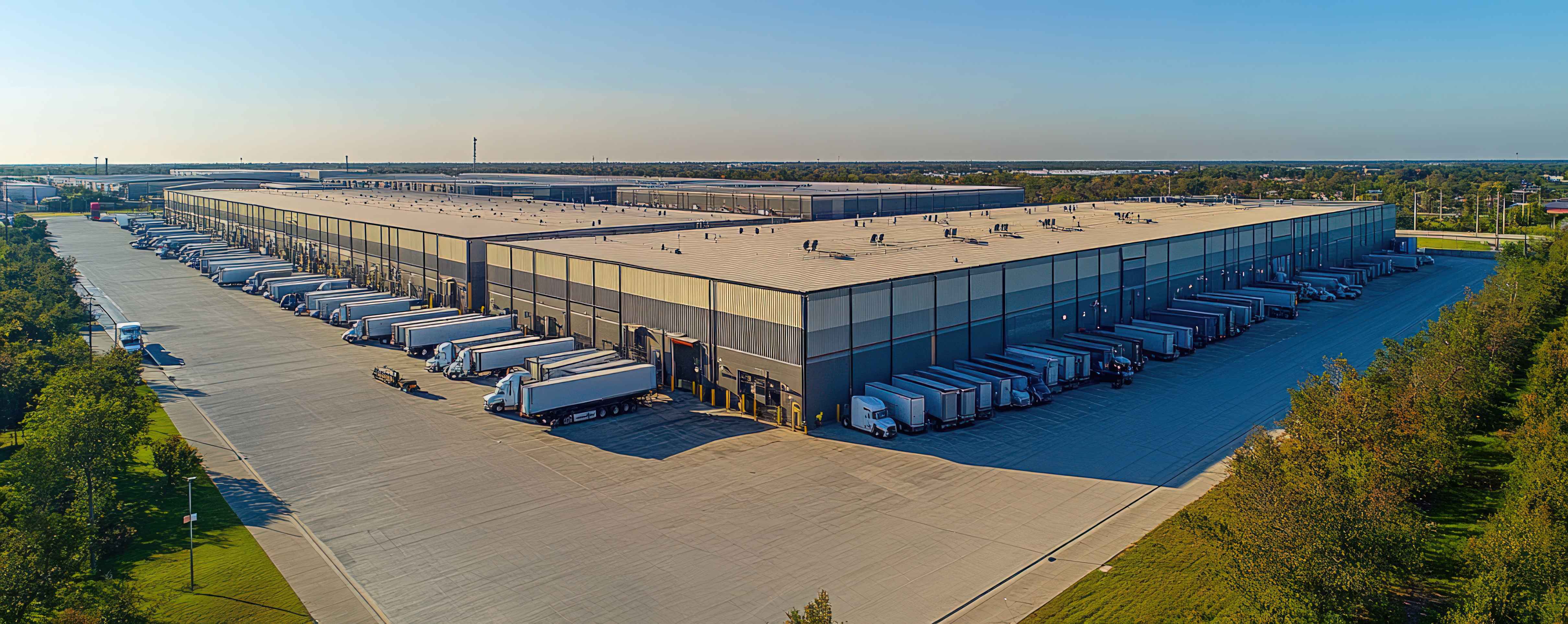
A growing segment of the market consists of private lots dedicated solely to truck and trailer parking. These facilities are often run by companies specializing in secure parking solutions.
Pros: Security is their main selling point, often featuring gated access, 24/7 monitoring, and on-site personnel. The ability to reserve a spot online or via an app provides peace of mind. They are an excellent option when you need to find a dependable "parking lot near me" for a layover or to drop a trailer.
Cons: They can be more expensive than truck stops and may be located further from main highways. Amenities can vary widely, with some offering nothing more than a secure space.
Unofficial and Shoulder Parking
When all else fails, drivers are often forced into unofficial spots. This includes wide shoulders on on-ramps and off-ramps, industrial park roads, and the back lots of large retail centers (with or without permission).
Pros: They are free and might seem like the only available option in a desperate situation.
Cons: This is the riskiest choice. It is often illegal, unsafe, and noisy. Parking on a highway shoulder dramatically increases the risk of being struck by another vehicle. There is no security, no amenities, and it reflects poorly on the industry as a whole.
Strategic Planning: How to Secure a Spot Every Night
A proactive approach to parking can eliminate much of the stress and uncertainty. Instead of hoping for the best, build a reliable system.
1. Plan Parking into Your Route
Treat parking as a key logistical element of your trip, not an afterthought.
- Adjust Your Clock: The most effective strategy is to adjust your driving schedule. Starting your day in the pre-dawn hours means you will be ready to shut down in the early afternoon, well before the parking rush begins around 4 PM.
- Create a Multi-Tiered Plan: Before you start driving, use your map and apps to identify a Plan A, Plan B, and Plan C for parking. Know where they are located in relation to your HOS limits. This prevents panic when your first choice is full.
- Follow the "Rule of 50": When you are about an hour, or roughly 50 miles, from your planned stop, it's time to start actively looking. This gives you a buffer to check several locations without going over your HOS.
2. Embrace Modern Technology
A smartphone is one of the most powerful tools a driver has for finding parking.
- Dedicated Parking Apps: Applications like Trucker Path, ParkMyTruck, and DAT One are essential. They use crowdsourced data to provide real-time updates on parking availability at thousands of locations. You can filter by amenities, see user reviews, and find private lots you might not have known existed.
- Paid Reservation Systems: The ability to reserve a parking spot is a game-changer. Most major truck stop chains and many private lots offer this service through their apps. The fee is a small price to pay for the certainty of a guaranteed, safe spot waiting for you at the end of a long day.
- Carrier Resources: If you drive for a large company, investigate their network of terminals and drop yards. These company-owned facilities are secure and free for drivers to use. Planning your route to end near a terminal can be a great strategy.
3. On-Site Safety Assessment
Once you arrive at a lot, take a moment to evaluate its safety. Your intuition is important.
- Good Lighting is Non-Negotiable: A well-lit lot is your first line of defense against crime. Park in a bright area, preferably where your truck is visible from the main building. Avoid dark, secluded corners.
- Look for Security Measures: Visible cameras, tall fences, and controlled entry/exit points are all positive signs. The presence of a security guard offers the highest level of protection.
- Check Your Surroundings: Park in an area with other well-maintained, professional-looking trucks. A lot filled with derelict-looking equipment might signal a lack of management or security. If a place feels wrong, trust that feeling and find another option.
The Road Ahead for Truck Parking
The truck parking shortage has gained national attention. Government initiatives, informed by data from programs like Jason's Law, are starting to address the problem. The Bipartisan Infrastructure Law has allocated funds to help states expand public truck parking capacity, though progress is slow.
Meanwhile, the private sector continues to innovate. Technology platforms are becoming more sophisticated, and entrepreneurs are opening new, secure parking facilities in high-demand areas. This combination of public investment and private innovation offers the best hope for a long-term solution.
For the professional driver, a smart parking strategy is a core component of a safe and successful career. It protects your well-being, your cargo, and your livelihood. By planning ahead, using technology, and always prioritizing safety, you can turn the nightly search for a parking lot from a source of stress into a manageable part of your daily routine. Your rest is not a luxury; it's essential.