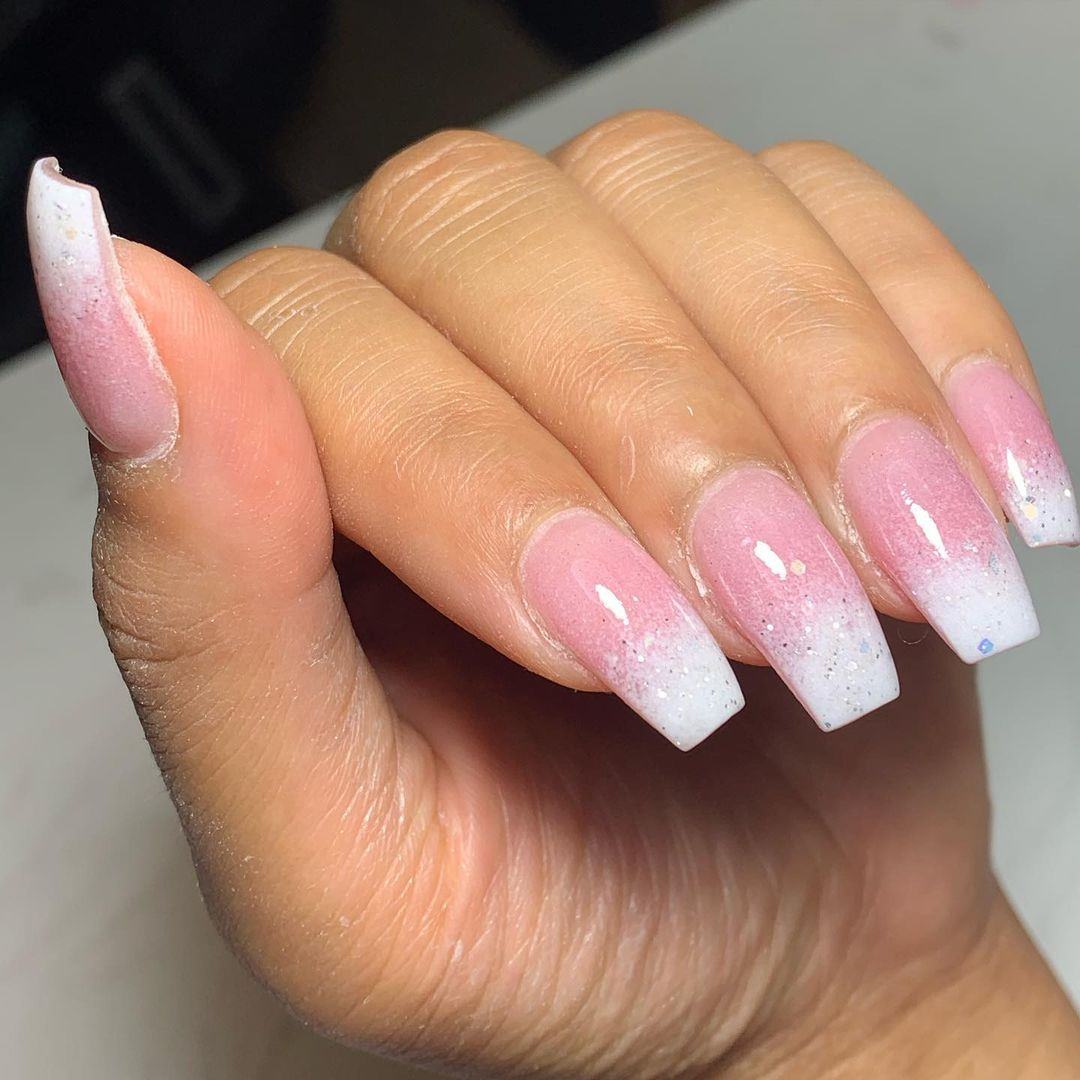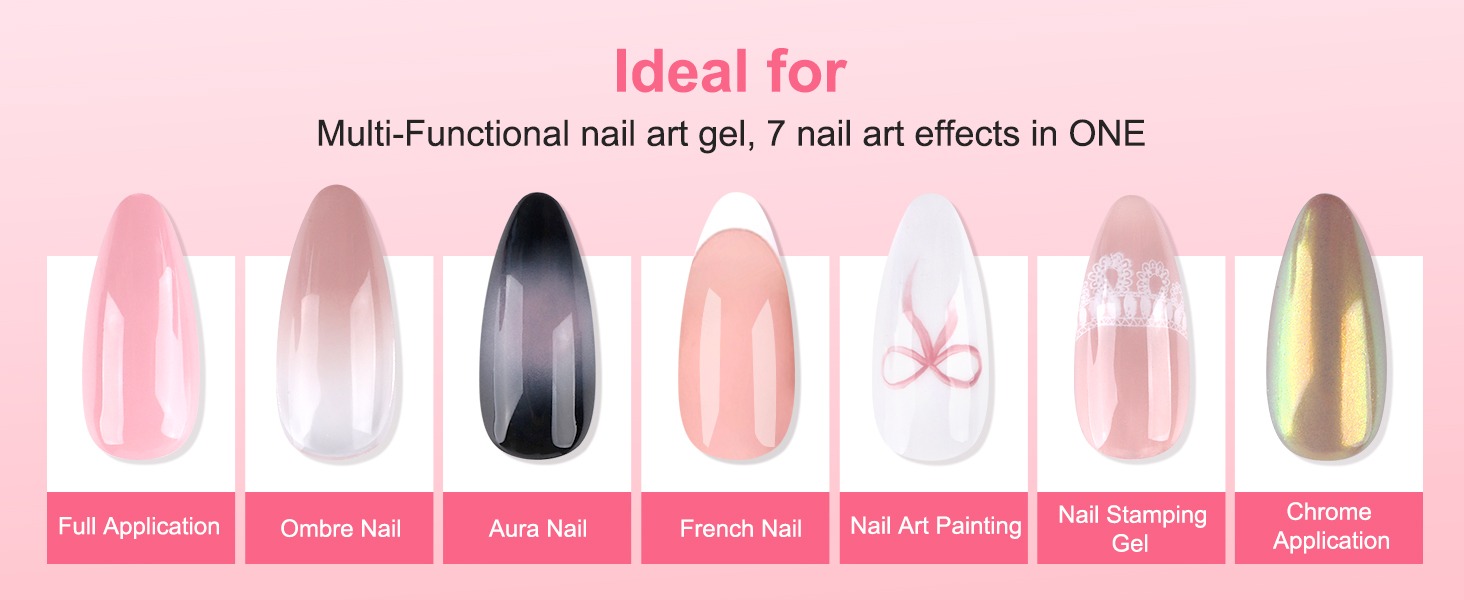
The ombre nail trend remains a favorite for its beautiful, seamless gradient effect. It looks sophisticated and offers endless color possibilities. While achieving this look at home with a nail gel polish kit can be rewarding, it often comes with a steep learning curve. Many DIY enthusiasts find themselves frustrated when their results don't match the flawless finish they see in salons.

This guide will walk you through the most common pitfalls when creating Ombre gel nail polish with gel polish. Understanding these errors is the first step toward perfecting your technique. We'll explore why they happen and provide professional tips to help you achieve a stunning, salon-quality gradient every time. By avoiding these five mistakes, you'll be well on your way to mastering the art of ombre nails.
1. Choosing Incompatible Colors
The success of an ombre design hinges on the color combination. A frequent mistake is selecting colors that don't blend well together, resulting in a harsh, muddy, or disjointed transition instead of a smooth gradient.
The Problem with Poor Color Selection
When colors clash, no amount of blending will create a harmonious effect. For example, trying to blend two highly contrasting or complementary colors (like red and green) directly can create a brownish, unattractive middle zone. Similarly, using two shades that are too similar in value won't produce a noticeable ombre effect, making your efforts seem pointless. The goal is to find a balance where the colors are different enough to create a visible gradient but similar enough to blend seamlessly.
How to Choose the Right Colors
Stay within the Same Color Family: The easiest way to ensure a smooth blend is by choosing colors from the same family. For instance, pair a light blue with a navy blue, a soft pink with a bold magenta, or a pastel yellow with a vibrant lemon. This monochromatic approach guarantees a natural-looking transition.
Use a Transitional Shade: If you want to blend two more distinct colors, consider using a third, transitional color in the middle. For example, to blend pink and yellow, you could place a light orange shade between them. This creates a bridge that helps the two primary colors merge more gracefully.
Consult a Color Wheel: A color wheel is your best friend. Analogous colors (those that sit next to each other on the wheel, like blue and purple) are excellent choices for ombre designs. They naturally create a pleasing and cohesive gradient.
When selecting your ombre gel nail polish, lay the bottles next to each other to visualize how they will look. This simple step can save you from a disappointing result.
2. Using Too Much Gel Polish
More is not always better, especially when it comes to painting gel nail polish. Applying thick layers of polish is one of the most common reasons for a messy ombre application.
The Consequences of Thick Layers
Thick coats of gel polish are difficult to blend. The excess product tends to pool and create a bulky, uneven surface. Worse, it can lead to improper curing. When the UV/LED light cannot penetrate the thick layer, the polish underneath remains wet. This can cause wrinkling, peeling, and even skin sensitivities. A proper application requires thin, controlled layers that cure completely.
The Correct Application Technique
Apply Thin, Even Coats: Start with a very thin layer of each color on your palette or sponge. It's better to build up the opacity with multiple thin coats than to apply one thick, unmanageable layer.
Wipe Excess Polish from the Brush: Before applying polish to your nail or sponge, gently wipe one side of the brush on the neck of the bottle. This gives you greater control over the amount of product you use.
Focus on the Blend Zone: When blending, concentrate the pressure on the area where the two colors meet. A light touch is all that's needed to diffuse the line between them.
A good quality nail gel polish kit will often include polishes with good pigmentation, meaning you won't need thick layers to achieve vibrant color.
3. Improper Blending Technique
The blending method is the heart of the ombre nail technique. Using the wrong tool or an incorrect motion can ruin the gradient effect, leaving you with distinct stripes of color rather than a smooth transition.
Common Blending Failures
Many beginners make the mistake of using a swiping or dragging motion when blending. This pulls the colors across each other rather than melding them together, often creating a streaky mess. Another error is pressing too hard, which can lift the base layers of polish or create an uneven texture on the nail.
How to Blend Like a Pro
Use a Sponge: A small, disposable makeup sponge is the best tool for creating a soft, airbrushed ombre effect. The porous texture of the sponge naturally diffuses the polish. Apply your two colors directly onto the sponge in stripes, slightly overlapping them.
The Dabbing Motion: Once the polish is on the sponge, gently dab it onto the nail. Start slightly off-center and continue dabbing up and down, focusing on the transitional zone. This gentle patting motion is what seamlessly merges the colors. Avoid a heavy hand; light, quick dabs are most effective.
Clean the Surrounding Skin: This process can be messy. Before curing, use a small brush dipped in isopropyl alcohol to clean up any polish that got on your skin. This ensures a professional and tidy finish.
Apply a Top Coat for the Final Blend: After curing your blended color layer, apply a generous layer of top coat. This final coat helps to further smooth out the gradient and hide any minor imperfections, giving the nail a glossy, unified look.
4. Insufficient Curing Time
Gel polish requires a UV or LED lamp to cure, or harden. Rushing this step or using an inadequate lamp is a surefire way to ruin your manicure. Improperly cured gel can lead to a host of problems that undermine all your hard work.
Why Proper Curing is Crucial
If the gel isn't fully cured, it will remain soft and tacky, making it susceptible to smudging, wrinkling, and chipping almost immediately. Furthermore, uncured gel can cause allergic reactions or skin irritation over time. With ombre nails, where multiple thin layers are built up, ensuring each layer is fully hardened is essential for a durable, long-lasting finish.
Tips for Perfect Curing
Know Your Lamp and Polish: Different gel polishes and lamps have different curing times. Always follow the manufacturer's instructions for your specific ombre gel nail polish. Generally, LED lamps cure faster (30-60 seconds) than UV lamps (2-3 minutes).
Cure Each Layer Fully: Don't cut corners. Cure your base coat, each blended color layer, and your top coat for the full recommended time.
Check Your Lamp's Power: An old or underpowered lamp won't cure the polish effectively. If you notice your manicures are not lasting, it might be time to replace your lamp's bulbs (for UV) or invest in a new, more powerful lamp. A good nail gel polish kit will often include a reliable lamp.
5. Neglecting Nail Preparation
The most beautiful nail art will fail if the canvas isn't properly prepared. Skipping the crucial prep steps is a mistake that guarantees a short-lived manicure, as the polish will not adhere correctly to the nail plate.
The Importance of a Clean Foundation
The natural nail has oils and a cuticle layer that prevent polish from sticking. Without proper preparation, your gel polish is likely to lift or peel within a day or two. A clean, dehydrated, and properly primed nail surface is essential for adhesion and longevity.
The Essential Nail Prep Routine
Shape and File: Start by shaping your nails to your desired length and shape.
Cuticle Care: Gently push back your cuticles. Carefully remove any non-living tissue from the nail plate, as this is a primary cause of lifting. Be careful not to cut the living tissue.
Buff the Nail Plate: Lightly buff the surface of your nails with a fine-grit buffer (180 or 240 grit). This removes the natural shine and creates a slightly rough texture for the gel to grip onto.
Dehydrate and Cleanse: Wipe the nail with a lint-free wipe soaked in 99% isopropyl alcohol or a dedicated nail cleanser. This step removes all oils, dust, and debris.
Apply a Bonder or Primer: For maximum adhesion, apply a pH bonder or acid-free primer. This product dehydrates the nail plate further and prepares it for the base coat.
Use a Quality Base Coat: Finally, apply a thin layer of a quality gel base coat and cure it according to the manufacturer's directions. This creates the perfect foundation for painting gel nail polish.
Perfect Your Ombre Technique
Achieving a flawless ombre finish is a skill that takes practice, but avoiding these common mistakes will set you on the right path. By carefully selecting your colors, using thin layers, mastering a dabbing blend, curing each coat completely, and never skipping nail prep, you can create beautiful, durable, and professional-looking ombre nails at home. With the right knowledge and a quality nail gel polish kit, you'll be creating stunning gradients in no time.


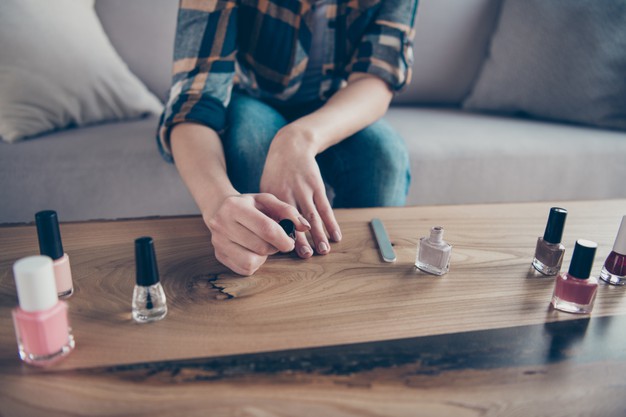
Know all about gel nail polishGel Nail Polish, here we are going to discuss Gel Nail Polish at home, Gel Nail Polish with UV Light, Gel Nail Polish Kit, Gel Nail Polish Colors, Gel Nail Polish Brands, Gel Nail Polish Remover, and more.