Culinary enjoyment often lies in attention to detail, and one subtle yet powerful enhancement involves the use of infused olive oil. Whether aimed at achieving rustic earthiness, spicy energy, or bright citrus notes, infused oils can shape the character of dishes with remarkable precision.
The Art of Flavor Layering
Foundation of Aromatic Balance
Olive oil acts as a neutral conduit for aromatic compounds. When herbs release their essence into oil, they create flavor foundations that feel harmonious and unified.
Regional Flavor Identities
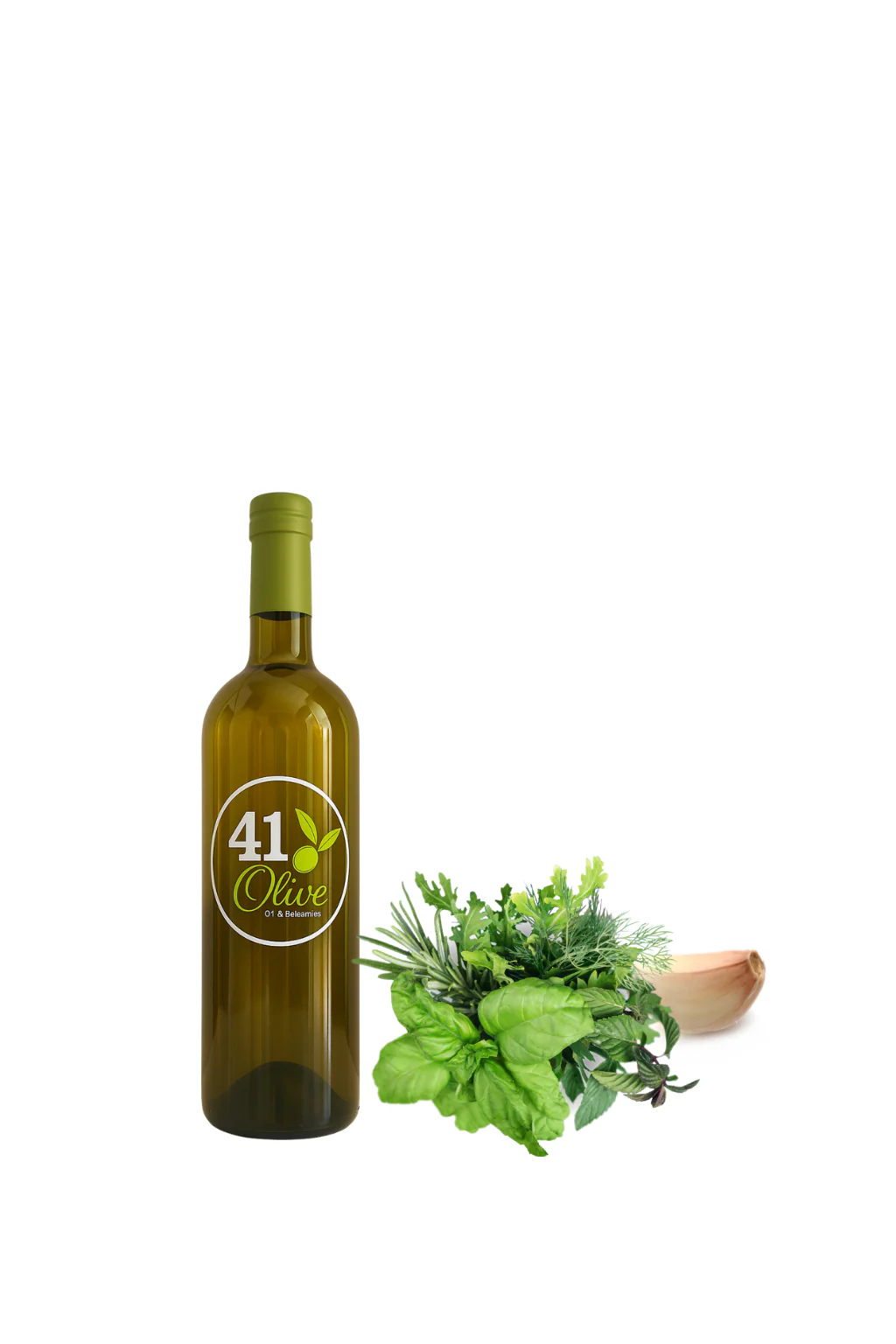
Italian cuisine often relies on basil, oregano, and garlic infusions. Middle Eastern traditions lean toward za’atar blends or coriander seed. Mediterranean cuisines frequently employ rosemary and thyme. Each culture uses infused olive oil to reinforce place, memory, and identity.
Infusion Techniques
Fresh Ingredient Infusion
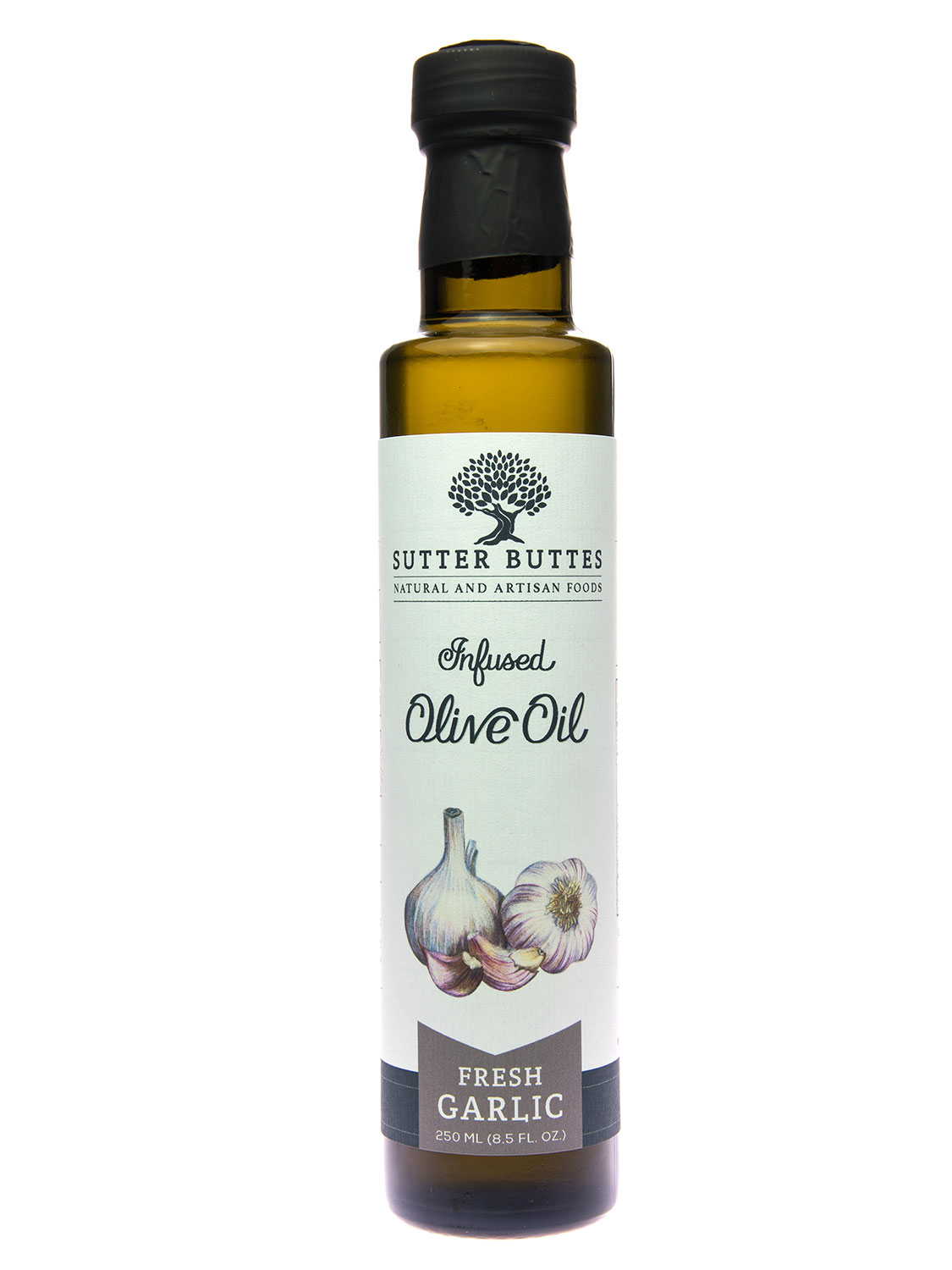
Fresh garlic, basil, or rosemary offer vibrancy but require careful preservation. To prevent microbial activity, the oil must be refrigerated and consumed quickly.
Dried Ingredient Infusion
Dried herbs, citrus peels, and spices are safer for longer shelf life. Their flavors intensify slowly, producing stable oils ideal for everyday kitchen use.
Flavor Pairing Strategies
Pairing With Proteins
Garlic or rosemary infusion suits roasted poultry and lamb.
Chili infusion enhances grilled fish and stir-fried tofu.
Pairing With Vegetables
Lemon zest infusion brightens steamed asparagus and leafy greens.
Basil infusion complements tomatoes and root vegetables.
Pairing With Breads & Grains
Drizzling infused olive oil over baked focaccia, handmade pasta, or warm baguette delivers deep satisfaction with minimal effort.
Conclusion
The practice of using infused olive oil refines home cooking, reinforcing flavor depth while maintaining simplicity. Through thoughtful selection of herbs, aromatics, and infusion methods, meals can become expressive, comforting, and engaging experiences shared at the table.