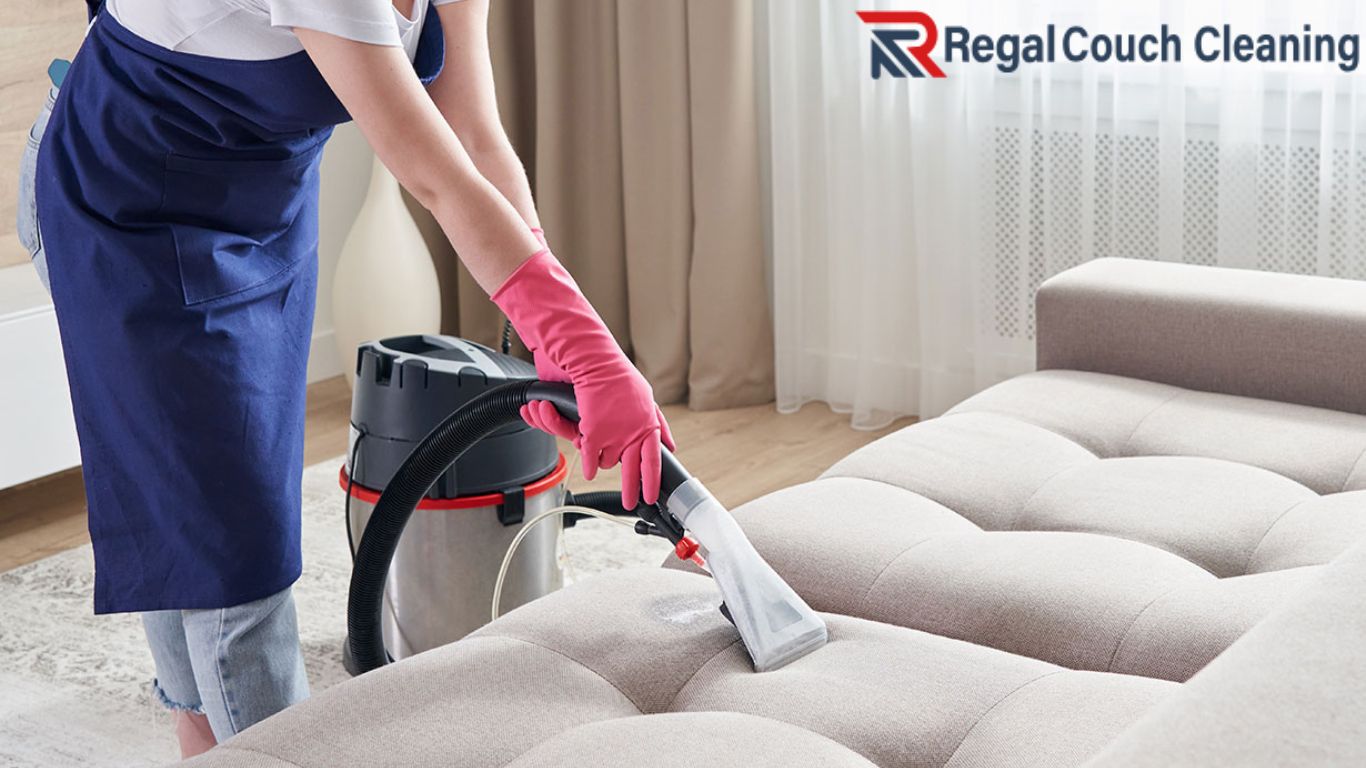


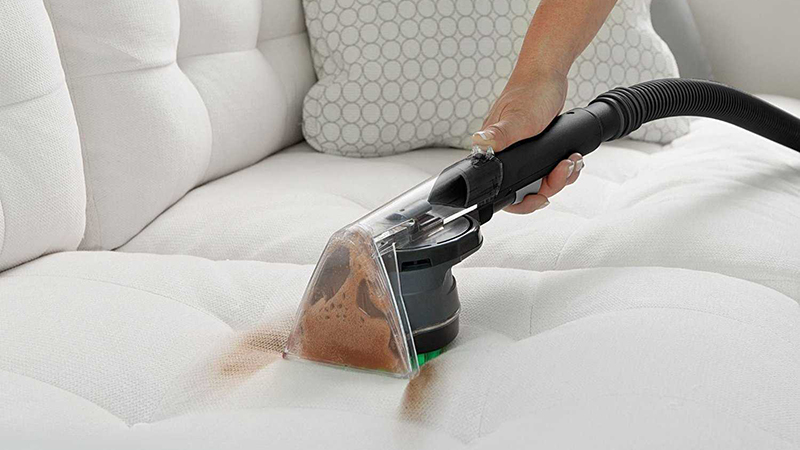
Polyester sofas are popular choices for Australian homes because they're durable, affordable, and easy to maintain. However, many people worry about fading or damaging the fabric when cleaning. Whether you're dealing with everyday dust or stubborn stains, understanding the right cleaning methods is essential. If you're searching for professional Couch Cleaning Port Melbourne services or prefer doing it yourself, this guide will help you keep your polyester sofa looking fresh without losing its vibrant colour.
Understanding Your Polyester Sofa Fabric
Before you start cleaning, it's important to know what you're working with. Polyester is a synthetic fabric that's resistant to most chemicals and naturally repels water to some degree. This makes it easier to clean than many natural fabrics. However, harsh chemicals, excessive heat, and rough scrubbing can still cause fading or damage over time.
Most polyester sofas come with a care tag that includes cleaning codes. Look for these letters on your sofa's tag: "W" means water-based cleaners are safe, "S" means solvent-based cleaners only, "WS" means either type works, and "X" means vacuum only. Always check this tag before applying any cleaning solution.
Regular Maintenance to Prevent Fading
The best way to avoid fading is through regular maintenance. Vacuum your polyester sofa at least once a week using a soft brush attachment. This removes dust, dirt, and debris that can settle into the fabric and cause it to look dull over time. Pay special attention to crevices where crumbs and pet hair tend to accumulate.
Keep your sofa away from direct sunlight whenever possible. UV rays are one of the main causes of fabric fading, regardless of the material. If your sofa sits near a window, consider using curtains or blinds during the brightest parts of the day. You can also rotate cushions regularly so that any fading happens evenly across the entire piece.
Spot Cleaning Without Damaging the Colour
When spills happen, act quickly. Blot the stain immediately with a clean, white cloth – never rub, as this pushes the stain deeper into the fibres and can damage the fabric. For most stains on polyester, a simple mixture of lukewarm water and a small amount of mild dish soap works well.
Mix one tablespoon of dish soap with two cups of lukewarm water. Dip a clean cloth into the solution, wring it out well, and gently dab the stained area. Work from the outside of the stain towards the centre to prevent it from spreading. For professional assistance, Couch Cleaning Prahran experts can handle tough stains without risking colour damage.
After spot cleaning, use a separate cloth dampened with plain water to rinse away any soap residue. Soap left in the fabric can attract more dirt and potentially cause discolouration over time. Finally, blot the area with a dry towel and allow it to air dry completely.
Deep Cleaning Your Entire Sofa
Every few months, your polyester sofa will benefit from a thorough deep clean. Start by removing all cushions and vacuuming the entire surface, including underneath and between cushions. Check the care tag again before proceeding with any wet cleaning methods.
For a gentle all-over clean, prepare a larger batch of your mild soap solution. Using a soft-bristled brush or clean sponge, work the solution into the fabric using circular motions. Don't oversaturate the fabric – you want it damp, not soaking wet. Excess moisture can seep into the sofa's padding and cause mould or mildew growth.
Work in small sections, cleaning one area at a time. After cleaning each section, go over it with a cloth dampened in plain water to rinse, then blot with a dry towel. This methodical approach ensures you don't miss any spots and helps the sofa dry more quickly.
Drying Your Sofa Properly
Proper drying is crucial for preventing fading and water marks. Never use a hairdryer or heater to speed up the drying process, as direct heat can cause polyester to fade or even melt in extreme cases. Instead, open windows to improve air circulation and point a fan towards the sofa if needed.
If possible, clean your sofa on a warm, dry day when you can increase ventilation. This helps it dry faster and reduces the risk of musty odours. Avoid using the sofa until it's completely dry, which typically takes 4-6 hours depending on how much water was used and the room's humidity.
What to Avoid When Cleaning Polyester
Certain products and methods can cause permanent damage to your polyester sofa. Never use bleach or bleach-based cleaners, as these will definitely cause fading and may even eat through the fabric. Avoid harsh chemicals like acetone, turpentine, or ammonia-based cleaners.
Don't use stiff brushes or abrasive scrubbing pads, as these can damage the fabric's surface and make it look worn. Steam cleaners should be used with caution – while many polyester sofas can handle steam cleaning, the high heat can sometimes cause fading or shrinkage. If you're unsure, test in a hidden area first or consult a professional.
Testing Cleaning Solutions First
Before applying any cleaning solution to a visible area, always test it on a hidden spot first. Choose an area under a cushion or on the back of the sofa where any potential damage won't be noticeable. Apply a small amount of your cleaning solution and wait 24 hours to check for any colour change, fading, or fabric damage.
This simple step can save you from accidentally ruining your entire sofa. Even products labelled as safe for polyester can react differently depending on the dye used in your specific fabric.
Protecting Your Sofa Long-Term
Consider applying a fabric protector spray specifically designed for polyester upholstery. These products create an invisible barrier that repels liquids and makes future stains easier to remove. Apply according to the manufacturer's instructions, usually after cleaning when the fabric is completely dry.
Using sofa covers or throws on high-use areas can also reduce the need for frequent deep cleaning. These are much easier to wash than the entire sofa and can significantly extend the life of your upholstery. Wash these covers regularly in cold water to prevent any colour from transferring onto your sofa.
Conclusion
Cleaning your polyester sofa doesn't have to result in fading or damage if you use the right techniques. Regular vacuuming, prompt stain treatment, gentle cleaning solutions, and proper drying methods will keep your sofa looking new for years. Remember to always check the care label, test products in hidden areas, and avoid harsh chemicals and excessive heat. With these simple practices, you can maintain a clean, vibrant sofa without professional help, though expert assistance is always available when you need it for particularly stubborn issues.