





Understanding the Climate-Related Risks that Make Chicago Homes Prone to Burst Pipes
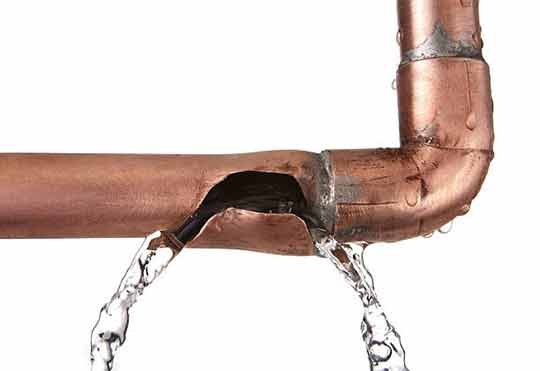
Chicago’s unique climate presents a complex set of challenges for homeowners, particularly when it comes to maintaining the integrity of plumbing systems. The city is characterized by a diverse range of weather patterns that oscillate dramatically between frigid winters and humid, warm summers. This variability creates a dynamic environment that can significantly compromise the durability and safety of plumbing infrastructure. During the winter months, the risk of pipes bursting escalates sharply due to rapid and severe drops in temperature. When temperatures plummet, the water inside pipes freezes and expands, exerting immense pressure on the pipe walls. This expansion often results in cracks or, in severe cases, complete pipe bursts, leading to extensive water damage and costly repairs.
The problem is compounded by Chicago’s historical architecture, where many older homes feature outdated plumbing systems that lack modern insulation or protective measures. These older structures are particularly vulnerable because their pipes are often exposed to the elements or located within uninsulated spaces such as basements, attics, or exterior walls. Transitional seasons like fall and spring also pose risks through repeated freeze-thaw cycles. During these periods, fluctuating temperatures cause water inside the pipes to freeze and thaw repeatedly, weakening the pipe material over time and increasing the likelihood of failure. Understanding these climate-related risks is essential for homeowners who want to develop proactive strategies to protect their properties, prevent water damage, and avoid the financial and emotional toll associated with burst pipes.
Factors Contributing to the Increased Susceptibility of Chicago Homes to Burst Pipes
Several specific factors contribute to the heightened vulnerability of Chicago homes to burst pipes, making it crucial for residents to understand these risks thoroughly. Foremost among these is the city’s reliance on older infrastructure, which often includes uninsulated or poorly insulated pipes located in areas prone to temperature fluctuations, such as basements, attics, crawl spaces, and exterior walls. These locations are more exposed to the cold, especially during the winter months, increasing the likelihood of freezing and subsequent damage. Chicago’s cold winters, with temperatures frequently dropping below freezing, create an environment where water inside unprotected pipes can freeze rapidly if homeowners do not take preventive measures. Inadequate heating or insulation in certain homes further exacerbates the problem by creating localized cold spots that accelerate the freezing process.
Additionally, many plumbing systems in older homes are not regularly maintained or inspected, which can lead to the development of small leaks or weaknesses that go unnoticed until they become catastrophic under the stress of freezing temperatures. Sudden cold snaps or winter storms can catch homeowners unprepared, especially if they have not implemented winterization strategies. Urban density and the city’s historical construction standards mean that many homes lack modern plumbing protections, such as insulated pipes or advanced heating solutions. These vulnerabilities highlight the importance of understanding the contributing factors and adopting comprehensive preventive measures to mitigate the risk of pipe bursts.
How to Identify Vulnerable Areas in Your Home’s Plumbing System
Identifying vulnerable areas within your home’s plumbing system is a fundamental step toward effective prevention. The first step involves a thorough inspection of pipes located in unheated or poorly insulated spaces, such as basements, crawl spaces, garages, and exterior walls. These areas are most susceptible to freezing because they are less protected by the warmth of the home’s interior. During inspection, homeowners should look for visible signs of damage, including cracks, leaks, corrosion, or discoloration, all of which can weaken pipes and increase the likelihood of failure under stress.
Special attention should be paid to bends, joints, and exposed sections of pipe, as these are common points of weakness. It is also essential to check the insulation around pipes; if insulation is missing, damaged, or inadequate, it should be upgraded immediately to provide better protection against cold temperatures. Monitoring water pressure levels can also provide clues about potential vulnerabilities—sudden drops in pressure may indicate hidden leaks or partial blockages. Conducting regular visual inspections, especially before the onset of winter, and speaking with local plumbers can help homeowners uncover hidden vulnerabilities that might not be immediately obvious but pose significant risks during cold weather.
Preventive Strategies to Protect Your Home’s Plumbing During Chicago Winters
Implementing comprehensive preventive strategies is essential for safeguarding your home’s plumbing system against Chicago’s harsh winter conditions. The first and most effective step is to insulate all exposed pipes, especially those in vulnerable locations such as basements, attics, and exterior walls. High-quality foam or fiberglass pipe insulation should be used to create a thermal barrier that prevents cold air from reaching the pipes. For added protection, homeowners can install heating cables or heat tape along vulnerable pipes, which provide a consistent source of warmth and prevent freezing. Maintaining a steady indoor temperature is equally important; setting the thermostat to at least 55°F (13°C) even when the house is unoccupied helps prevent internal pipes from freezing.
For homes with outdoor faucets or sprinkler systems, shutting off the water supply and draining the lines before winter begins is a critical step. Sealing gaps and cracks around windows, doors, and the foundation reduces drafts and prevents cold air from infiltrating areas where plumbing is located. Regular maintenance, including checking for leaks, repairing damaged insulation, and ensuring proper pipe insulation, can significantly reduce the risk of pipe failure. Additionally, smart leak detectors and temperature sensors can provide real-time alerts if temperatures drop dangerously low or if leaks are detected, allowing homeowners to take swift action to prevent damage.
Emergency Response and Repair: What to Do When Pipes Burst
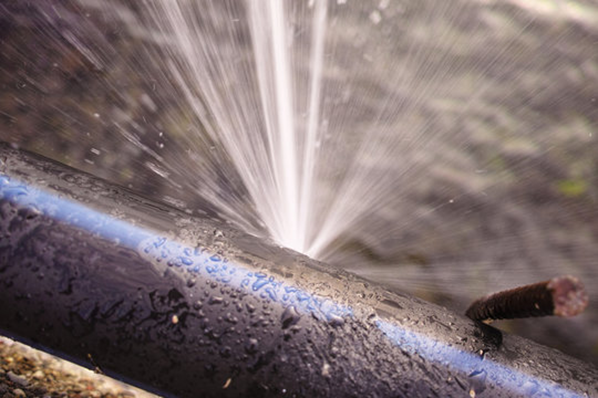
Despite all preventive measures, emergencies can still occur, making it vital for homeowners to be prepared with a clear plan of action. The first step in the event of a burst pipe is to turn off the main water supply immediately. This action prevents further flooding and minimizes water damage to the property. Once the water is shut off, homeowners should evacuate the affected area and contact professional plumbing services without delay. While waiting for help, it is advisable to remove excess water using mops, towels, or a wet/dry vacuum, helping to reduce water damage to flooring, furniture, and personal belongings.
If it is safe to do so, temporarily patch the burst pipe with waterproof tape or a pipe repair clamp to contain the leak until a professional arrives. Documenting the damage with photographs can be useful for insurance claims and future repairs. After the repair is completed, thorough cleanup and drying are essential to prevent mold growth and further deterioration. Homeowners should review their insurance policies to understand coverage options for water damage caused by burst pipes, ensuring they are financially prepared for repairs and restoration. Having an emergency kit ready with tools, contact numbers, and protective gear can also expedite the response process and minimize damage.
Long-Term Solutions for Chicago Homeowners to Stay Ahead of Burst Pipe Risks
To achieve long-term protection against burst pipes, Chicago homeowners should adopt a strategic, multi-faceted approach that emphasizes proactive maintenance, infrastructure upgrades, and ongoing education. Investing in modern plumbing systems equipped with insulated, freeze-resistant pipes can drastically reduce vulnerability. Regular professional inspections, particularly before winter, are vital for early detection of potential issues, allowing for timely repairs that prevent emergencies. Upgrading insulation in vulnerable areas, sealing drafts, and installing automated heating systems create a resilient environment capable of withstanding temperature fluctuations. The integration of smart home technology, such as remote temperature monitoring and leak detection systems, offers real-time alerts that enable immediate action when problems arise.
Educating household members about winterizing procedures, emergency protocols, and the importance of routine inspections enhances overall preparedness. Community initiatives, including city-sponsored insulation grants, plumbing safety programs, and educational workshops, can further support residents in maintaining resilient homes. Building a culture of ongoing vigilance, continuous improvement, and shared knowledge ensures that homeowners are well-equipped to face climate-related risks. Long-term planning and investment in infrastructure upgrades not only protect individual properties but also contribute to the overall resilience of the community against increasingly unpredictable weather patterns.
Conclusion: Building Resilience Against Climate-Related Plumbing Risks in Chicago
Chicago’s climate, characterized by extreme temperature variations and severe winter conditions, demands a proactive, informed approach to home maintenance—particularly concerning plumbing systems. Recognizing the key factors that contribute to pipe vulnerability and implementing strategic preventive measures can significantly reduce the risk of burst pipes and the associated damages. From insulating vulnerable pipes and maintaining consistent indoor temperatures to responding swiftly to emergencies and investing in long-term infrastructure upgrades, homeowners can build a resilient defense against climate-related risks.
Education, community support, and continuous vigilance are essential components of this strategy. By fostering a culture of preparedness and proactive maintenance, residents can safeguard their homes, protect their families, and preserve their investments amidst Chicago’s unpredictable weather landscape. As climate patterns continue to evolve, staying ahead through informed action and ongoing improvements will remain the most effective way to ensure the safety and durability of homes in the Windy City.
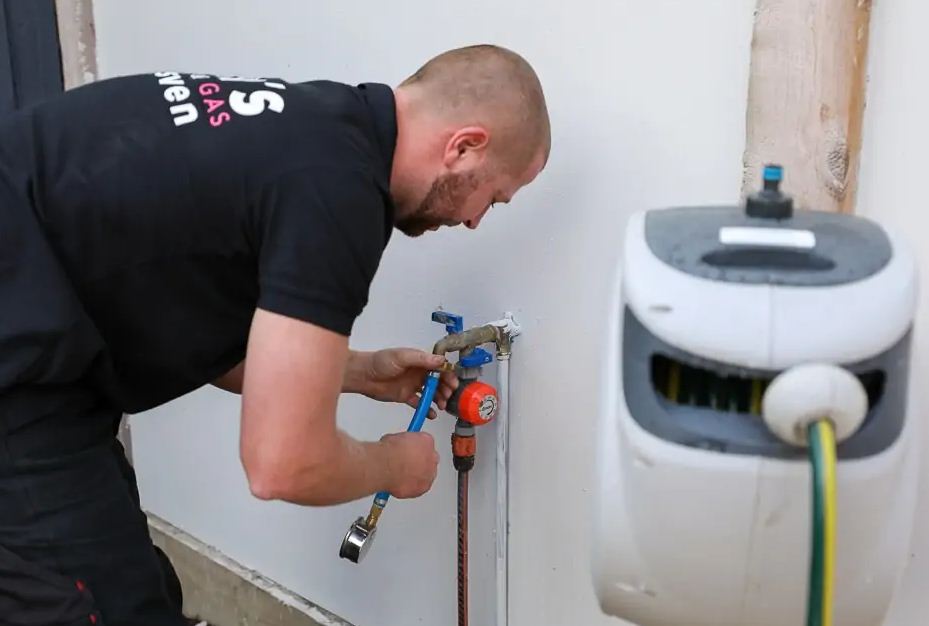
Our plumbers in Camberwell provide efficient and professional services from start to finish.
Do not let your home’s plumbing become a burden to you by taking up the task yourself.
At Sven’s Plumbing & Gas, our professional plumbers provide an extensive range of plumbing services, including blocked drains, hot water, gas plumbing, burst pipes, pipe relining, and emergency plumbing.
We are a team of highly trained plumbers with over 15 years of experience.Plumber kew