


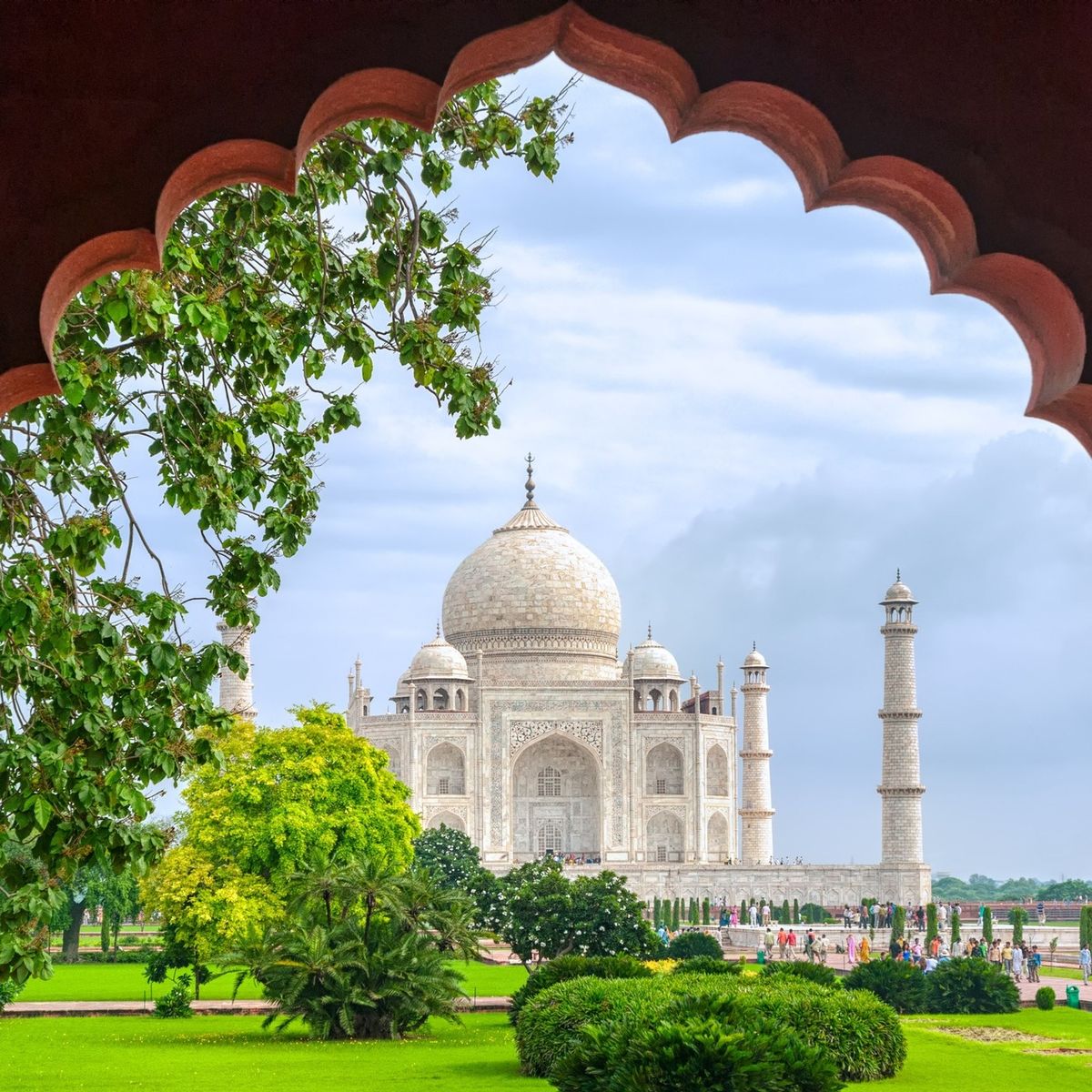
Agra is one of India's most famous tourist destinations. Its primary attraction is the Taj Mahal, but Agra offers numerous other must-sees and activities—sights like the Agra Fort, Itimad-ud-Daulah (Baby Taj), Mehtab Bagh, and nearby Fatehpur Sikri. Weather and crowds significantly impact your trip to Agra. Therefore, choosing the right time is crucial to ensure a comfortable and memorable one. Below, I have provided simple information on weather, crowds, ticketing, and practical tips—and cited sources where appropriate.
1. Best Time to Visit Agra
The best time to visit Agra is generally considered to be from October to March. During this period, the weather is cool and pleasant, the days are comfortable for walking outside, and the skies are clearer for photography. This is also the time when tourist numbers increase, so it's best to book hotels and tickets in advance. Many travel guides and weather data also recommend this.
2. Four Major Weather Phases
Winter (December – February)
Winter in Agra is cool, especially in the mornings and nights. January is generally considered the coldest month. Morning fog may occasionally appear at the Taj Mahal during winter, but overall, it is the most comfortable time to visit. Many travelers and guides recommend that visiting Agra during the cooler months is a better experience.
Spring/Fall (October – November, March)
October-November and March are also excellent months—daytime temperatures are pleasant and comfortable. People also choose these months to visit the Taj and surrounding sites because, while the weather is pleasant, the crowds are slightly smaller than during the peak winter months.
Summer (April – June)
Summer temperatures soar. Compared to May-January, daytime temperatures rise sharply in April-May, sometimes even exceeding 40°C. Summer can be tiring, so early mornings and evenings are recommended. If you're on a budget and want to avoid crowds, summer can be an option, but caution is advised.
Monsoon (June–September)
The monsoon months typically run from mid-June to September. Humidity increases during this time, and occasional sudden downpours can disrupt travel. Monsoons in Agra are relatively less intense than in some other parts of the country, but rain can still impact outdoor activities.
3. Crowds & Seasonality
Peak season is from October to March. Holidays, especially in December and January, increase both hotel rates and crowds in Agra. If you want to avoid crowds, early November or early March is a good option. Travel sites and local tourism information support this.
4. Essential Information about the Taj Mahal
Opening Hours: The Taj Mahal is open from sunrise to sunset on normal days; the official site states that it runs approximately from “sunrise minus 30 minutes to sunset minus 30 minutes.”
Closed Days: The Taj Mahal is closed to general visitors on Fridays (due to religious/special events).
Night Viewing: Night viewing of the Taj Mahal is available on limited dates and in round batches; there are separate tickets and rules. If you want to see the night view, check with the official site or the ASI for information and book a slot in advance.
5. Festivals and Events
Every year, a cultural festival like the Taj Mahotsav takes place near Agra, usually in late February or early March. This time features art, handicrafts, and cultural events, and the city attracts more people. If you prioritise a cultural experience, this is a good time, but be mindful of hotels and crowds.
6. When to Visit Morning and Evening?
Morning (Sunrise): Early morning offers softer light and fewer crowds at the Taj Mahal; this is a great time for photography and a tranquil experience. However, arriving too early in the morning may result in fog and cold.
Evening (Sunset): The Taj Mahal also changes colour in the evening, but crowds are usually larger. Your preference should be considered when choosing between the two.
7. Practical travel tips
- Buy tickets through official channels: For Taj Mahal and night-view tickets, only book through the official website or ASI—this will help avoid counterfeit tickets and scams.
- Book hotels early: Hotels fill up quickly during peak season (October–March), so book early.
- Leave early in the morning: choose mornings for major sights like the Taj and the fort—they're less crowded and hot.
- Summer caution: Carry plenty of water and sunscreen in April–May, and avoid long afternoon walks.
- Plan to be flexible during the monsoon: rain may alter outdoor plans—keep an umbrella and waterproof bag.
Short summary
- Best time: October to March—the winter and mild spring months.
- Looking for fewer crowds? Consider early November or early March.
- Budget option: Hotel prices may be lower during the summer or monsoon season, but the weather may limit outdoor activities.

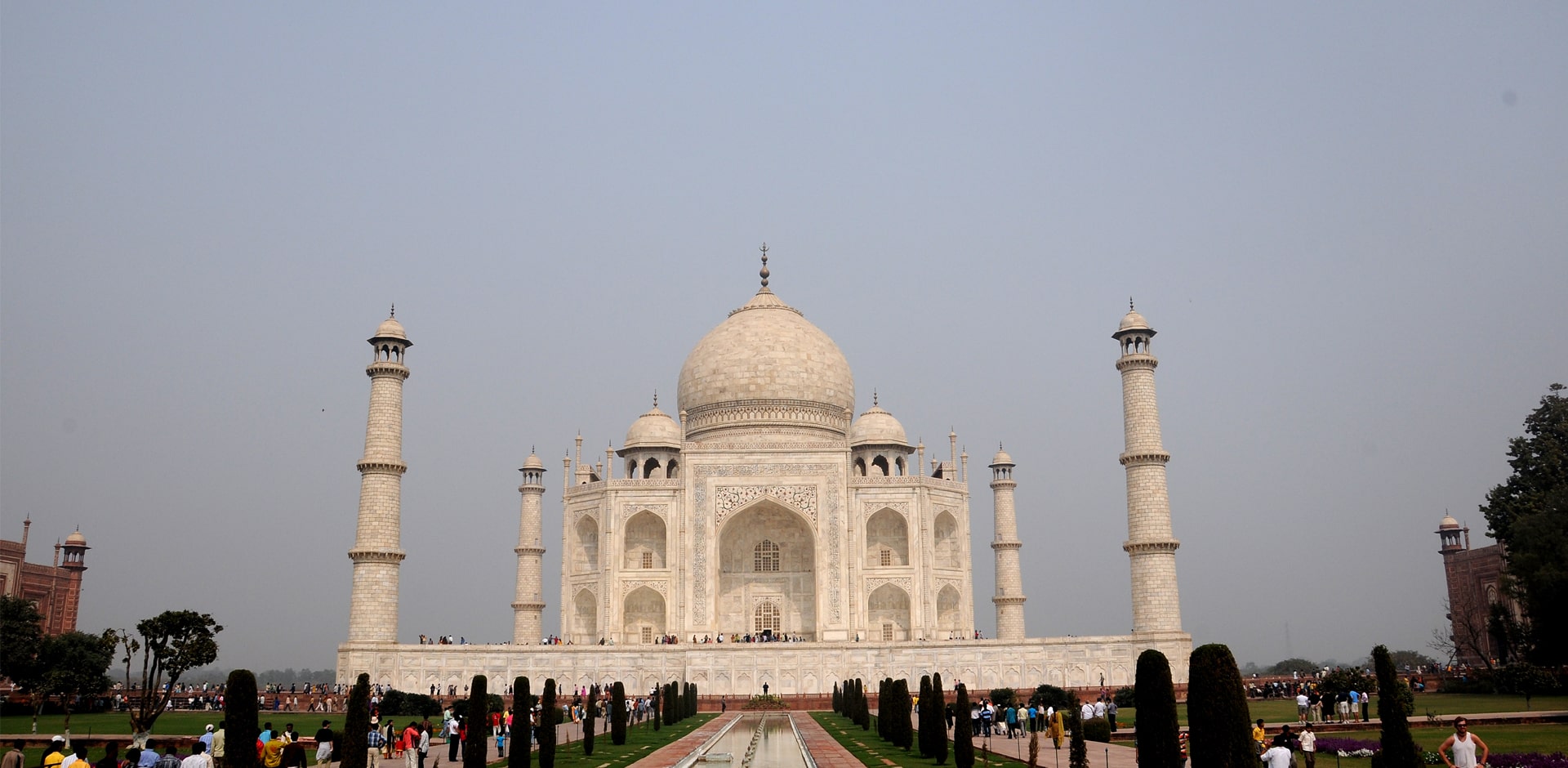
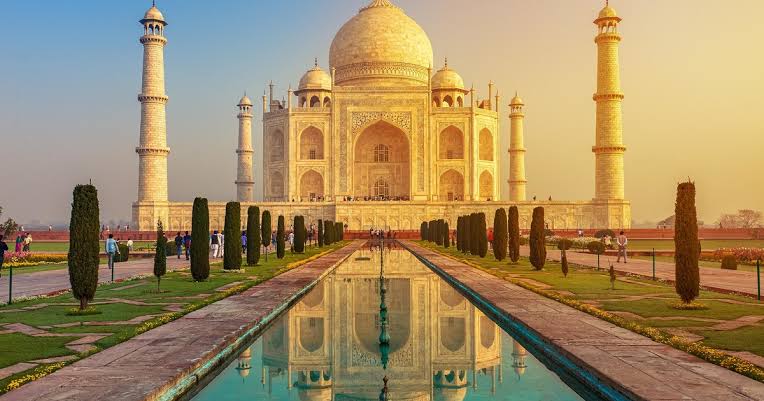
Delhi and Agra are the cities of India where you can see some famous historical monuments of India.
Taj Mahal is one of them and It is situated at Agra.
It is famous all around the world and You will love the things of beautiful agra.
Same day Agra tour by car is the best option to explore the things of beautiful Agra at lowest price.