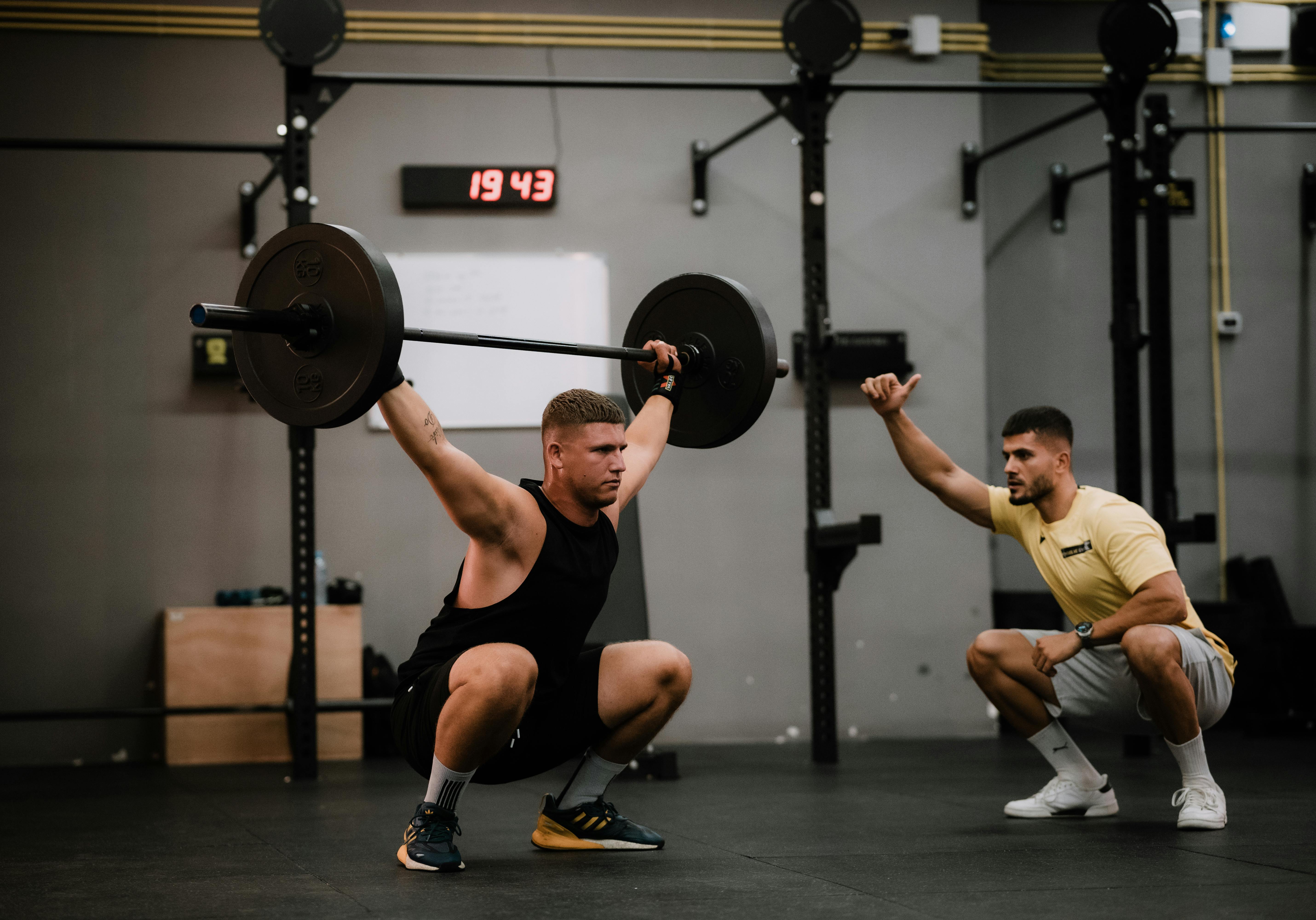
Powerlifting is a demanding discipline that centres on maximal strength execution in the three primary lifts: the squat, bench press and deadlift. To make healthy gains — increasing strength, muscle size, and resilience while minimising injury risk and overtraining — a sound understanding of exercise physiology is essential. This article provides a comprehensive, professional guide for those serious about lifting with longevity in mind.
1. The Physiological Foundation of Strength
Neural Adaptations
Early in a powerlifting programme, much of the strength gain comes from neural improvements rather than muscle growth. Your nervous system becomes more efficient at recruiting motor units, synchronising muscle groups, and reducing inhibitory signals during heavy lifts.
Muscle Hypertrophy and Fibre Recruitment
While muscle size contributes to strength potential, hypertrophy is only one component. Lifting heavy loads stimulates fast-twitch fibre recruitment, which is crucial for maximal strength. Balancing heavy lifting with hypertrophy-focused work ensures optimal size and power development.
Biomechanics and Lifting Mechanics
Strength is expressed through efficient movement patterns. Proper technique ensures effective force transfer and reduces injury risk. Attention to alignment, bar path, and joint positioning in each lift is critical.
Progressive Overload
Continual adaptation requires gradually increasing training stress, whether through heavier loads, greater volume, improved technique, or shorter rest periods. The increase must be sustainable and match your recovery capacity.
2. Program Design for Powerlifting
Prioritising the “Big Three”
The squat, bench press, and deadlift are the foundation of powerlifting strength. Most training volume and intensity should focus on these lifts, with accessory work addressing weaknesses such as triceps, glutes, or hamstrings. Training at a well-equipped gym in Teneriffe can provide the space, equipment, and environment needed to safely execute these lifts and track progress effectively.
Periodisation and Training Phases
Structuring training into phases — hypertrophy, strength, and peaking — allows for progressive overload, recovery, and adaptation.
- Hypertrophy phase: moderate loads, higher volume, controlled technique.
- Strength phase: heavy loads, fewer reps, longer rest.
- Peaking/tapering phase: very heavy loads, low volume, maximised recovery.
Rest, Frequency, and Volume
Sufficient rest between heavy sets (2–5 minutes) is crucial for performance and technique. Most lifters train each main lift 1–2 times per week, adjusting volume to their recovery capacity. Accessory work should complement main lifts without overtaxing the body.
Accessory and Variation Work
Accessory lifts target weak points and support balanced muscular development. Variations such as pause squats, deficit deadlifts, or close-grip bench presses can stimulate adaptation without constant maximal loading.
3. Recovery, Nutrition, and Lifestyle
Nutrition for Strength and Hypertrophy
Adequate protein (1.6–2.2 g/kg body weight per day) supports muscle repair and growth. Carbohydrates fuel training and aid recovery, while fats maintain hormonal balance and overall health. Total daily energy intake should support training demands, with timing of meals less critical than total intake across the day.
Sleep and Recovery
Quality sleep (7–9 hours per night) is essential for recovery, nervous system adaptation, and tissue repair. Active recovery, mobility work, and careful load management help prevent overtraining.
Cardiovascular and Conditioning Work
Moderate cardio supports cardiovascular health, aids recovery, and assists in body composition management. It should be programmed to avoid interfering with maximal strength sessions.
Injury Prevention and Mobility
Heavy lifting stresses joints, tendons, and connective tissue. Dynamic warm-ups, mobility work, and proper technique help prevent injuries. Strengthening connective tissue through controlled eccentric and isometric exercises supports long-term lifting capacity. For personalised guidance and programme optimisation, consulting an exercise physiologist in Brisbane can help reduce injury risk and enhance performance.
4. Health-Focused Considerations for Gains
Balanced Strength and Longevity
Sustainable powerlifting balances intensity with health. Avoid extreme weight fluctuations, monitor joint health, and integrate overall wellness habits.
Monitoring Progress and Adaptation
Track strength, fatigue, sleep, and readiness to lift. Adjust programmes when progress stalls or recovery is compromised to prevent overtraining.
Psychological and Motivational Factors
Developing focus, discipline, and a long-term mindset enhances strength gains. Avoid lifting beyond your capability for ego’s sake, as this increases injury risk.
Age and Individual Differences
Training should reflect age, experience, and recovery capacity. Older lifters or those returning from injury may require longer recovery periods, adjusted volume, and increased mobility work.
5. Practical Checklist for Healthy Gains
- Warm up thoroughly with mobility drills and lighter sets.
- Prioritise technical mastery of the squat, bench, and deadlift.
- Apply progressive overload incrementally and sustainably.
- Structure programmes into phases for hypertrophy, strength, and peaking.
- Ensure sufficient rest between sessions and lifts.
- Include accessory work to address weaknesses and maintain balance.
- Consume adequate protein, carbohydrates, and fats.
- Maintain 7–9 hours of quality sleep and plan recovery days.
- Integrate light to moderate cardio for health and conditioning.
- Track performance, recovery, and readiness; adjust when necessary.
- Focus on technique and avoid ego lifting.
- Maintain mobility, joint health, and posture.
- Consider long-term health, adjusting training for age and recovery needs.
Conclusion
Healthy powerlifting gains are achieved by combining structured training, intelligent programming, proper nutrition, recovery, and longevity-focused practices. Strength is not just about lifting heavier weights; it’s about training consistently, safely, and effectively over time. By applying exercise physiology principles to all aspects of preparation, lifters can achieve significant, sustainable improvements in strength while minimising injury risk and maintaining overall health.