


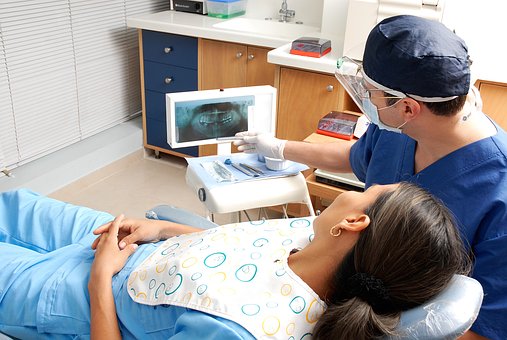
Tooth enamel is the hard, protective outer layer of your teeth that shields them from daily wear and tear, acids, and bacteria. It is the strongest substance in the human body, yet it can be surprisingly vulnerable if not properly cared for. One of the most important factors that influence enamel health is oral hygiene. The way you brush, floss, and maintain your mouth plays a direct role in keeping your enamel strong and intact.
Good oral hygiene habits form the first line of defense against enamel erosion. Every time you eat or drink, especially sugary or acidic foods, bacteria in your mouth produce acids that attack the enamel. Brushing your teeth twice a day helps remove this buildup before it can cause lasting damage. However, the technique matters just as much as the frequency. Brushing too hard or using a stiff-bristled toothbrush can wear away enamel over time. A gentle, circular motion with a soft-bristled brush is far more effective and safer for your teeth.
Flossing also plays a key role in enamel protection. While brushing cleans the visible surfaces of teeth, flossing removes food particles and plaque between them—areas where enamel decay often starts. If plaque remains trapped, it can harden into tartar, which not only damages gums but also weakens enamel by harboring bacteria that release acids continuously.
The type of toothpaste you use can further influence enamel strength. Fluoride toothpaste helps remineralize enamel by replenishing lost minerals and creating a protective layer that resists acid attacks. Avoiding abrasive toothpaste, especially whitening varieties that contain harsh particles, is important to prevent unnecessary enamel thinning.
Mouthwash can also support enamel health when chosen wisely. Alcohol-free and fluoride-containing mouthwashes help strengthen teeth while balancing the mouth’s pH level, reducing the risk of acid erosion. On the other hand, mouthwashes with strong alcohol content may dry out the mouth, reducing saliva production. Since saliva naturally neutralizes acids and supports enamel repair, maintaining proper moisture is essential for enamel longevity.
Equally important is the timing of oral care. Brushing immediately after consuming acidic foods or drinks, such as citrus or soda, can actually harm enamel. The acid softens the enamel surface temporarily, and brushing too soon can erode it. Waiting about 30 minutes allows saliva to restore a normal pH before cleaning your teeth safely.
In summary, maintaining strong enamel goes beyond simple brushing. Consistent, gentle, and well-timed oral hygiene habits—paired with the right dental products—help protect this vital shield from erosion and decay. With mindful care, you can preserve your enamel’s strength, ensuring your teeth remain healthy and resilient for years to come.
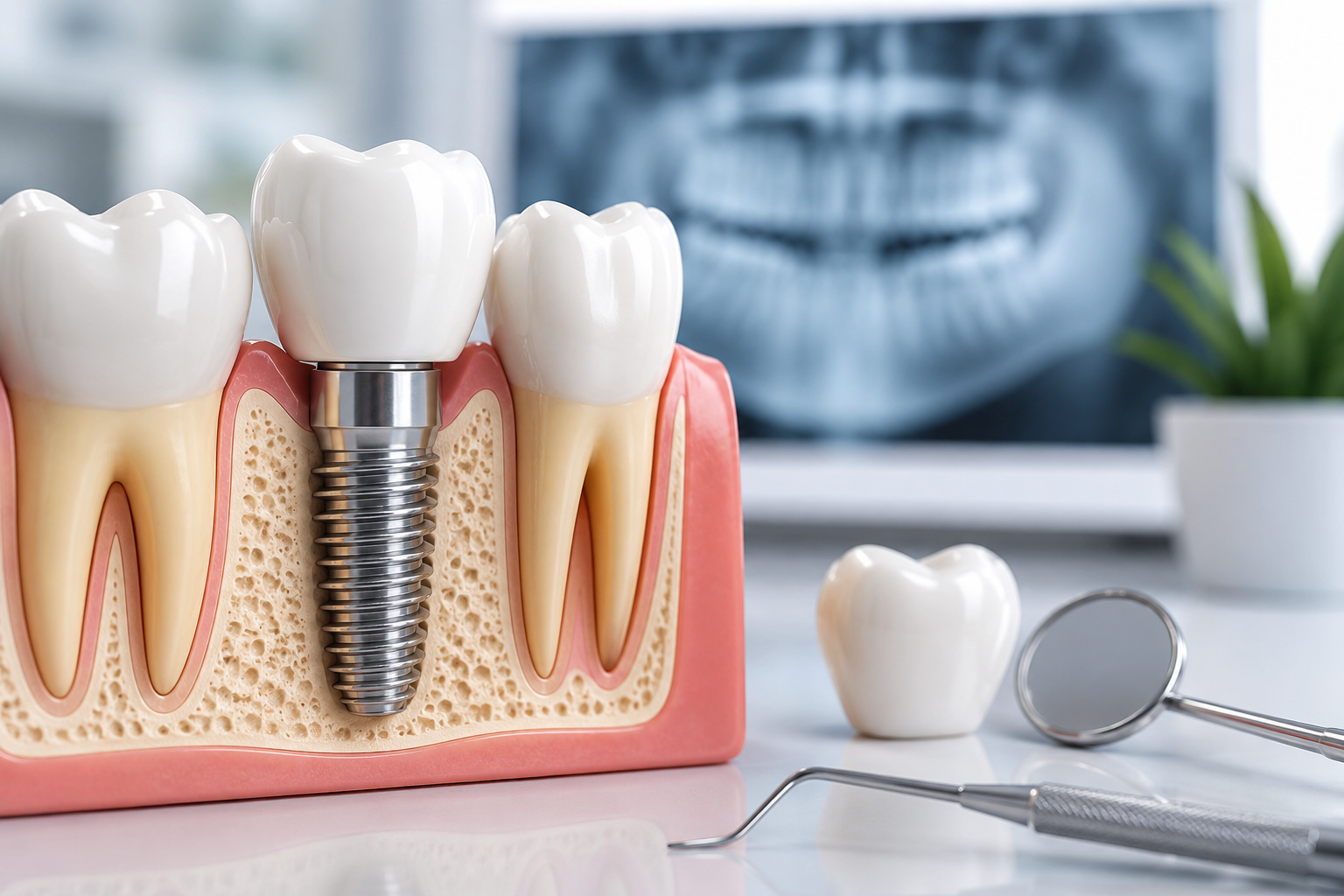
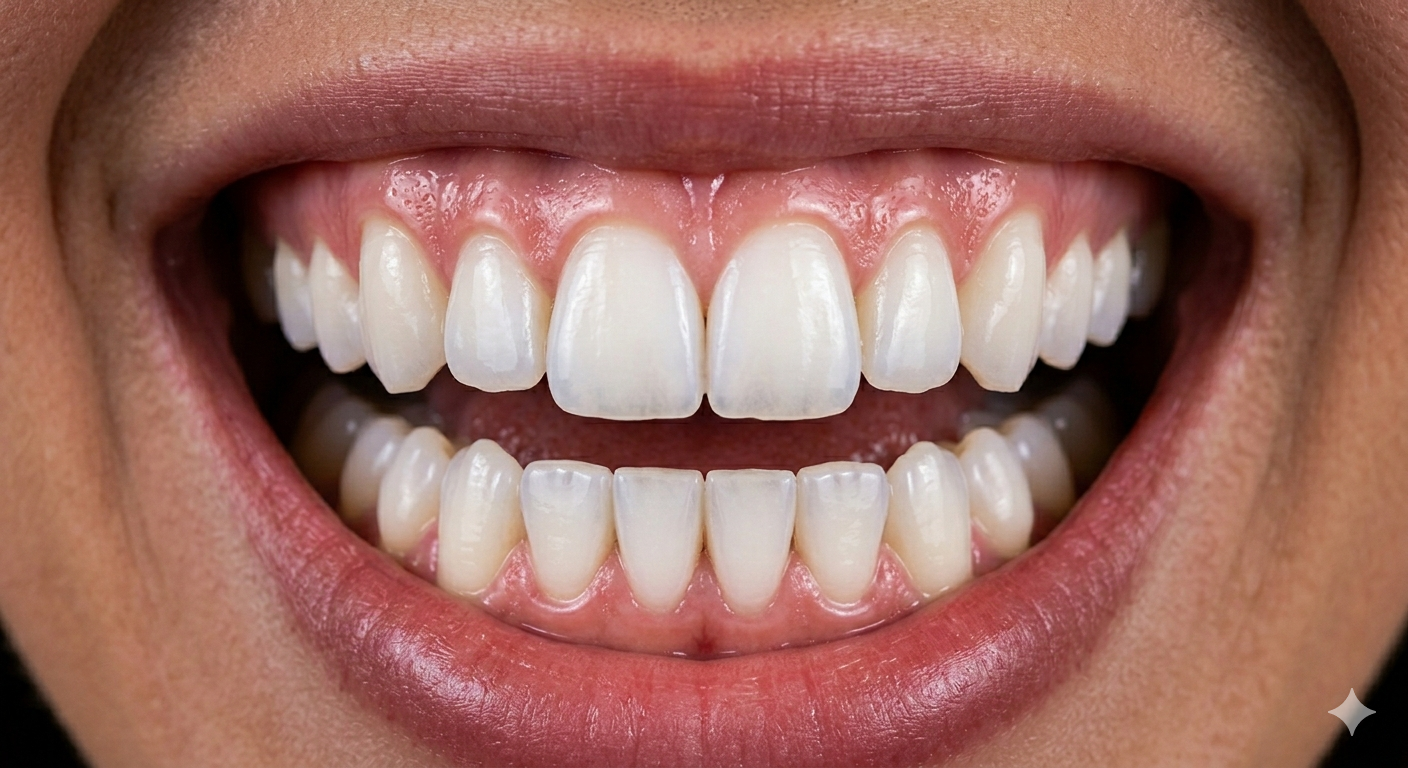

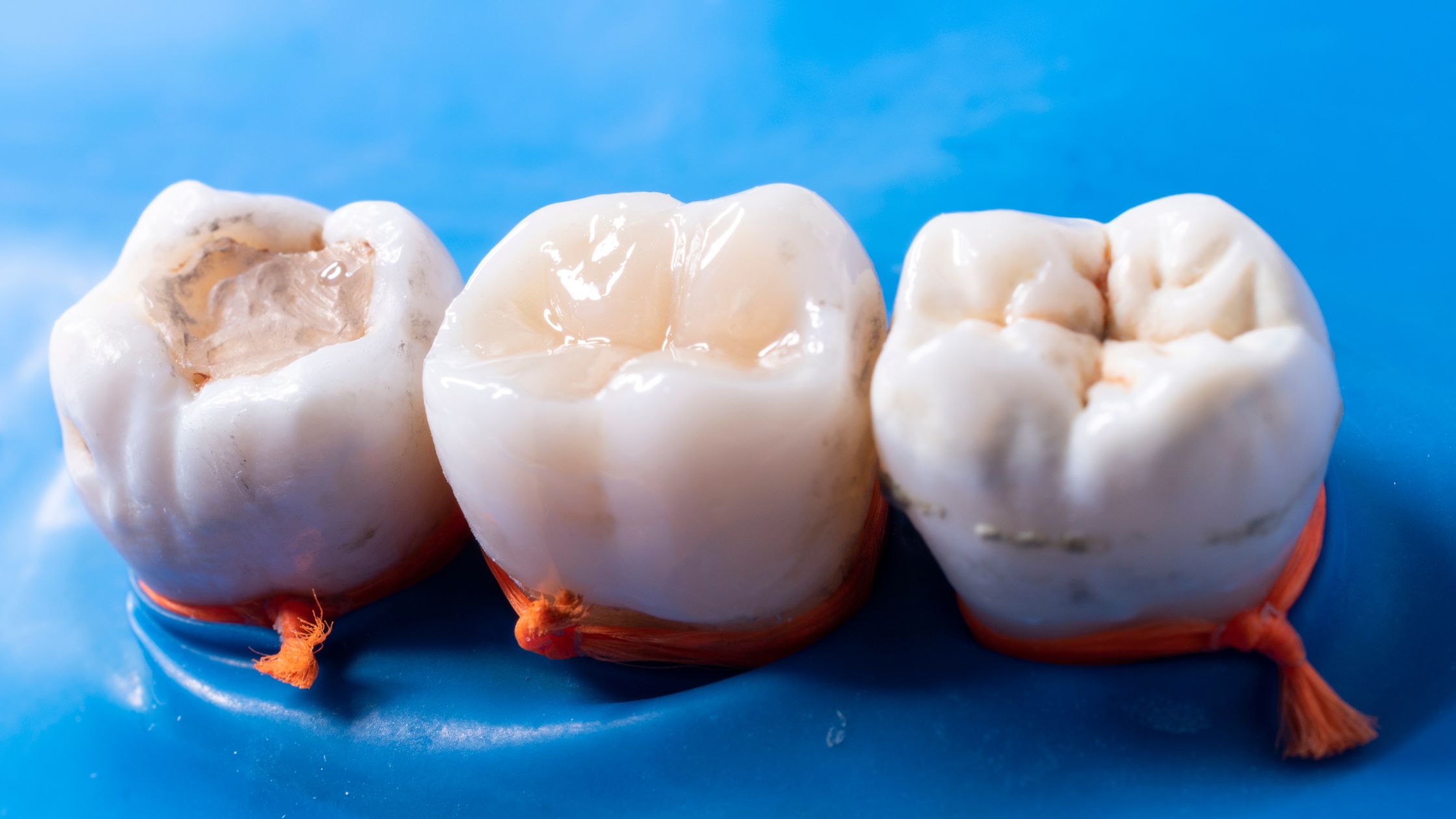
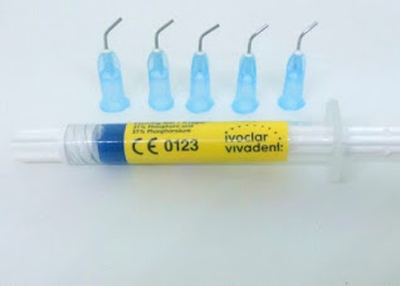
It is an acid or corrosive chemical used to prepare enamel for the attachment of a bonded restoration by removing the outermost layer of the tooth surface and expose a rough, porous layer that provides greater surface area for the bonding process.
Dr.Michael G.Buonocor studied enamel etchant acid technique which provides a strong junction between resin and enamel.
phosphoric acid concentration between 30-37% acts as a demineralizing to the enamel creating micropores from 20-30 microns in depth which allows greater adhesion of restoration material.
Other system in etching is hydrofluoric acid which is an acid that attacks and creates channels on glass and ceramic but it is highly toxic in nature.
It works on the principle of mechanical retention similar to phosphoric acid on dental tissues then add silane which penetrates these channels and bonds chemically to the glass, the resin is on the silane as a part of resinous elements are used to apply restoration on the dental tissue.
The main advantages of using are demineralization and filtration,they are not as sensitive to different moisture condition of dentin, hygienic application, consistent and stable composition, blue dye for application for facilitation.

Dental Lumineers have the same functioning as porcelain veneers but Lumineers are less invasive.
You can get your desired changes without changing the original tooth.
Slight tooth sensitivityLumineers remove some parts of the tooth enamel to place them.
This increases the chances of slight tooth sensitivity.
This sensitivity may encounter when the patient consumes something hold or cold.2.
The factors being the color of the bonding material, the hue of the underlying tooth along with the shade of the veneers.