


If you’re considering dental implant treatment in Bilaspur, it’s natural to have questions about what happens during and after the procedure. One of the most common questions patients ask is, “Will I have stitches after getting dental implants?” Understanding this aspect can help you prepare better for the treatment and recovery process.
Let’s break down everything you need to know — from the role of stitches to how your mouth heals after an implant.
What Are Dental Implants?
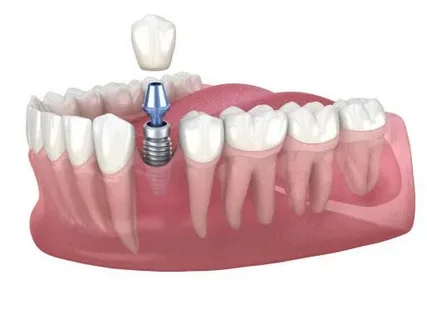
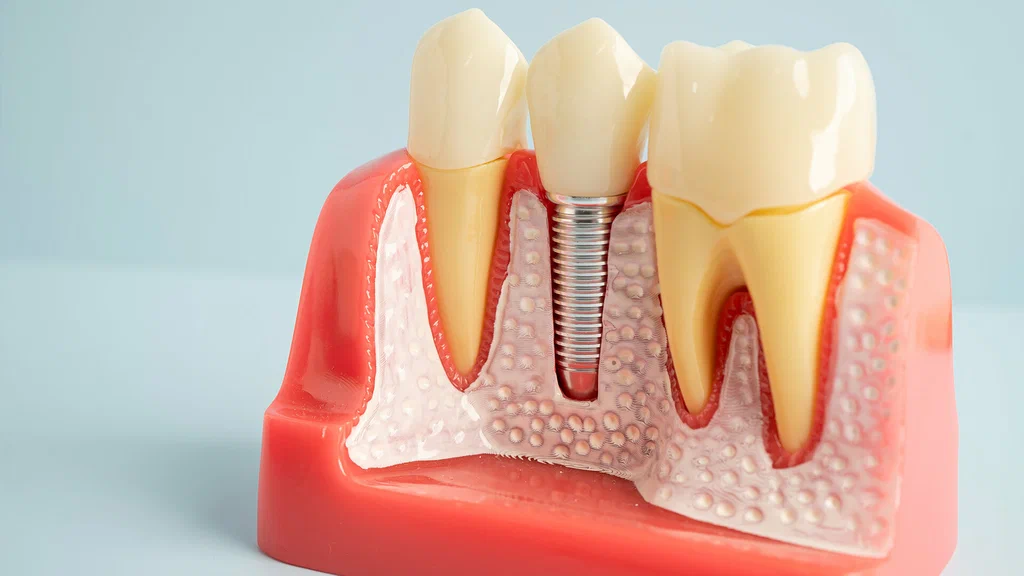
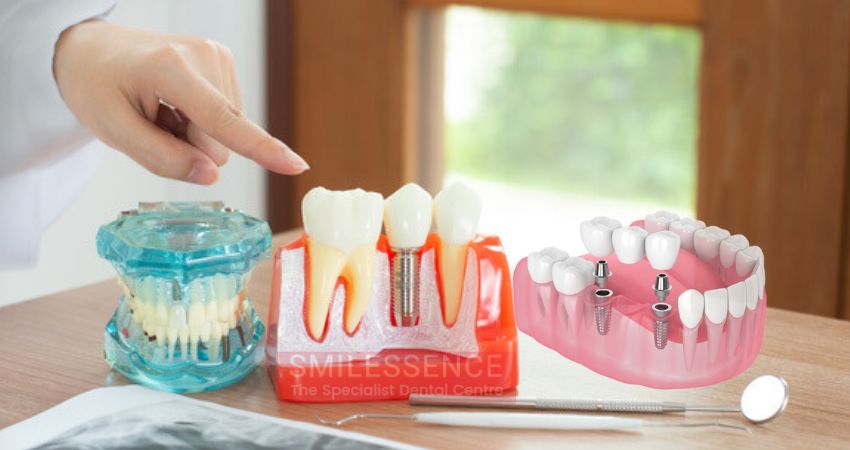
Dental implants are artificial tooth roots made of titanium that are surgically placed into your jawbone. They provide a strong foundation for fixed or removable replacement teeth that look, feel, and function just like natural ones.
The dental implant treatment in Bilaspur typically involves several stages:
Consultation and planning – Your dentist assesses your oral health, bone density, and overall suitability for implants.
Implant placement surgery – The implant post is inserted into the jawbone.
Healing and osseointegration – The implant fuses with the bone over several weeks or months.
Abutment and crown placement – A custom-made crown is attached to complete the restoration.
Do You Get Stitches After a Dental Implant Procedure?
In most cases, yes — stitches (sutures) are used after dental implant surgery. They help the gum tissue heal properly around the implant site. However, whether you’ll need stitches or not depends on the surgical technique used and your individual case.
There are two main surgical approaches:
Traditional (flap) surgery
Flapless (stitch-free) implant surgery
Let’s look at the difference.
1. Traditional (Flap) Implant Surgery
In traditional implant surgery, your dentist makes a small incision in the gum to expose the jawbone. This allows precise placement of the implant into the bone. Once the implant is inserted, the gum tissue is stitched back in place to cover or partially cover the implant.
Why stitches are needed:
- To close the incision and protect the surgical site.
- To reduce bleeding and prevent infection.
- To promote faster and cleaner healing.
In this method, stitches are usually removed after 7–10 days unless your dentist uses dissolvable sutures, which naturally disappear on their own within a few weeks.
2. Flapless (Stitch-Free) Implant Surgery
Thanks to advancements in dental technology, many dentists now perform flapless implant surgery, which involves placing the implant without cutting or lifting the gum tissue.
Using 3D imaging and digital guidance, the dentist drills directly through the gum tissue into the bone and places the implant. Since there’s no large incision, stitches are not required in most cases.
Benefits of flapless implant surgery include:
- Minimal discomfort and swelling
- Faster healing
- Less post-operative care
- No need for stitch removal appointments
However, this method may not be suitable for everyone. Your dentist will decide based on your bone density, gum thickness, and implant location.
Dissolvable vs. Non-Dissolvable Stitches
If your procedure requires stitches, your dentist will choose between dissolvable or non-dissolvable sutures.
Dissolvable stitches: These are made from materials that gradually break down and are absorbed by your body. They usually disappear in about 10–14 days.
Non-dissolvable stitches: These need to be removed by your dentist during a follow-up appointment, typically after a week or so.
Both types are safe and effective; your dentist will choose what’s best for your specific case.
What to Expect After Dental Implant Surgery
After your dental implant treatment in Bilaspur, you might notice mild discomfort, swelling, or slight bleeding at the implant site — all of which are normal and temporary.
Here’s what you can expect during recovery:
Day 1–3: Some soreness and mild swelling are common. Cold compresses and prescribed pain medication help relieve discomfort.
Day 4–7: The surgical area begins to heal. You’ll start feeling more comfortable eating soft foods.
Week 2 and beyond: If you had stitches, they may dissolve or be removed. Most patients resume normal activities within a week.
How to Take Care of Your Mouth After Implant Surgery
Proper aftercare ensures successful healing and long-lasting results. Follow these simple tips after your dental implant treatment in Bilaspur:
Keep the area clean – Rinse gently with warm salt water after meals to reduce bacteria and soothe your gums.
Avoid disturbing the implant site – Don’t touch it with your fingers or tongue.
Stick to soft foods – Eat foods like soups, yogurt, mashed potatoes, and smoothies for the first few days.
Avoid smoking and alcohol – These can delay healing and increase the risk of infection.
Follow up with your dentist – Attend all scheduled visits to ensure proper healing and implant stability.
When to Call Your Dentist
While minor swelling and discomfort are normal, contact your dentist immediately if you experience:
- Persistent pain or bleeding
- Swelling that worsens after a few days
- Pus or foul odor from the implant site
- Loosening of the stitches or implant
Prompt evaluation ensures any issues are treated early before they affect the implant’s success.
Why Choose Dental Implant Treatment in Bilaspur?
Bilaspur has become a hub for advanced dental care, offering state-of-the-art clinics and experienced implant specialists. Whether you need a single tooth replacement or a full-mouth restoration, you can expect:
- Expert diagnosis and treatment planning
- Modern 3D imaging and guided implant surgery
- Affordable implant packages
- Personalized care and comfort-focused treatment
Opting for dental implant treatment in Bilaspur ensures you receive world-class dental solutions with the convenience of local access.
Final Thoughts
So, do you always have stitches with dental implants? Not necessarily. It depends on the technique your dentist uses. Traditional implant surgery typically requires stitches, while flapless implant placement may not.
Regardless of the method, both approaches are safe, effective, and designed to give you a confident, lasting smile. The key is to follow your dentist’s instructions and maintain good oral hygiene during recovery.
If you’re ready to restore your smile with reliable, long-lasting results, consult a qualified dentist for dental implant treatment in Bilaspur today. You’ll not only regain your missing teeth but also your confidence — one smile at a time.
What are the steps involved in the dental implant procedure?
Here in this video, we will guide you through the step by step process for missing teeth replacement.