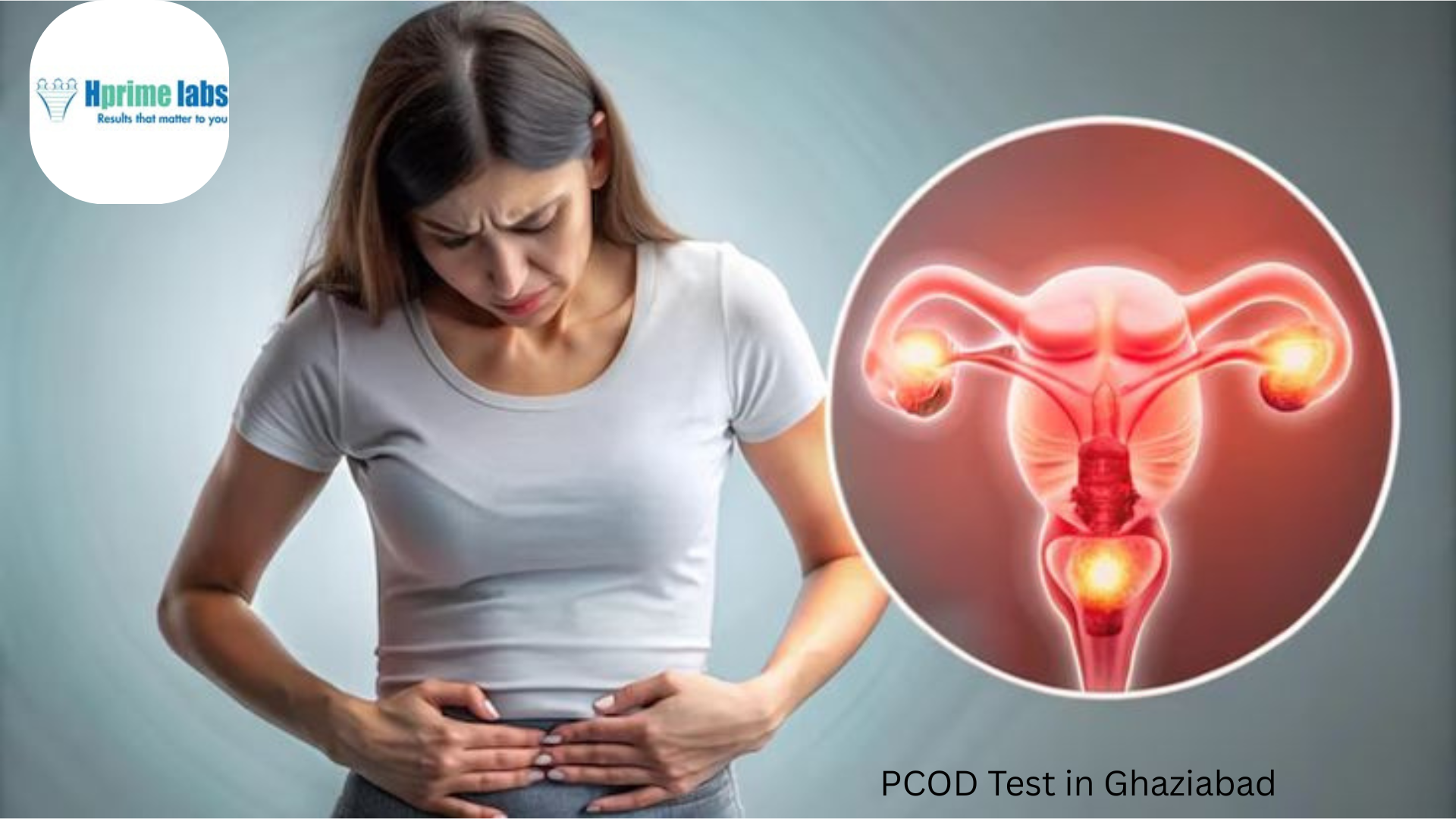
Polycystic Ovarian Disease (PCOD) is one of the most common hormonal conditions among women today — yet it often goes unnoticed until it starts affecting fertility, mood, and metabolism. The key to managing it lies in understanding the PCOD symptoms early and acting before the imbalance deepens.
What Happens in PCOD
In PCOD, the ovaries produce immature eggs that turn into tiny cysts. This leads to a rise in male hormones (androgens) and disrupts the menstrual cycle. The condition doesn’t develop overnight — it builds up silently through lifestyle habits, stress, and hormonal shifts. Recognizing early warning signs gives you the power to reverse it naturally.
Early PCOD Symptoms You Shouldn’t Overlook
- Irregular Menstrual Cycle: Missed or delayed periods are the most visible PCOD symptoms and a sign of disrupted ovulation.
- Weight Gain and Difficulty Losing Weight: Hormonal imbalance and insulin resistance make fat loss harder, especially around the waist
- Acne and Skin Problems: Persistent acne, oily skin, or pigmentation on the neck and underarms reflect internal imbalance.
- Unwanted Hair Growth: Facial or body hair growth in male-pattern areas results from excess androgens.
- Hair Thinning or Hair Fall: Androgen dominance causes scalp hair loss, often mistaken for normal shedding.
- Fatigue, Anxiety, or Mood Swings: Emotional changes and low energy are common as hormone levels fluctuate.
Each of these PCOD symptoms is your body’s way of asking for balance and care.
Main Causes Behind PCOD
Hormonal Fluctuations: Disrupted production of estrogen and progesterone.
- Insulin Resistance: Excess insulin increases androgen production.
- Unhealthy Diet: High sugar and processed food consumption worsen hormonal health.
- Stress & Poor Sleep: High cortisol disturbs hormonal rhythm.
- Genetic Predisposition: A family history can increase risk but lifestyle is the true trigger.
Managing PCOD Naturally and Effectively
- Follow a Balanced Diet: Include high-fiber, low-glycemic foods, lean proteins, and fresh fruits.
- Exercise Consistently: Regular workouts help maintain weight and reduce insulin resistance.
- Prioritize Sleep:7–8 hours of quality sleep supports hormonal repair.
- Reduce Stress: Mindful relaxation and self-care lower cortisol and restore balance.
- Regular Medical Supervision: Periodic hormonal and ultrasound tests help track your progress.
Lifestyle discipline and awareness can transform how your body responds to PCOD.
When to Seek Help
If your PCOD symptoms continue for three months or more — especially irregular periods, hair loss, or acne — it’s time to consult a gynecologist. Early diagnosis means easier recovery and fewer long-term risks.
Conclusion
PCOD symptoms are not just physical — they reflect your body’s inner balance. With awareness, lifestyle consistency, and timely medical care, PCOD can be managed and even reversed.
Your health journey begins the moment you start listening to your body.

One of the emerging universities in India, OP Jindal University, Raigarh has emerged as a higher education centre over the years.
Being one of the top universities in Chhattisgarh this institution was founded by the Jindal Education and Welfare Society.
The institution is committed to forming a strong base of students with a world-class and advanced industry-centric curriculum.