When it comes to diagnosing and treating complex stomach, liver, pancreas, and bile duct disorders, two advanced procedures often come into the spotlight: ERCP and Endoscopic Ultrasound (EUS). Both techniques are minimally invasive and highly accurate, but they serve different purposes. If you are looking for ERCP Treatment in Indore or want expert guidance from a Gastroenterologist, understanding the differences between these procedures can help you make an informed decision.
What Is ERCP
A Diagnostic and Therapeutic Procedure
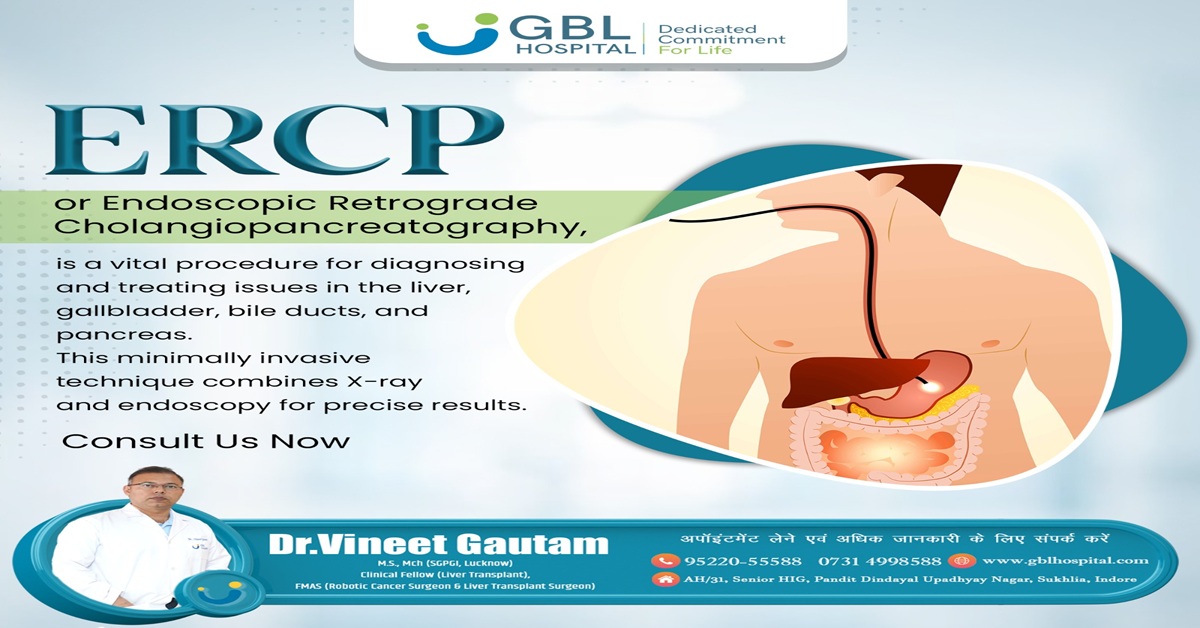
Endoscopic Retrograde Cholangio-Pancreatography (ERCP) is a specialized technique used to diagnose and treat conditions affecting the bile ducts, gallbladder, liver, and pancreas.
During ERCP, the gastroenterologist inserts an endoscope through the mouth into the small intestine and injects a contrast dye to visualize the bile and pancreatic ducts on X-rays.
When Is ERCP Recommended?
ERCP is typically used when active treatment is needed. Common uses include:
Removing gallstones from bile ducts
Treating bile duct obstruction
Placing stents to relieve blockages
Managing chronic pancreatitis
Draining infections in the bile ducts
If patients in Indore suffer from severe jaundice, unexplained abdominal pain, or suspected duct blockages, specialists often recommend ERCP Treatment in Indore for effective relief.
What Is Endoscopic Ultrasound (EUS)?
A High-Resolution Imaging Technique
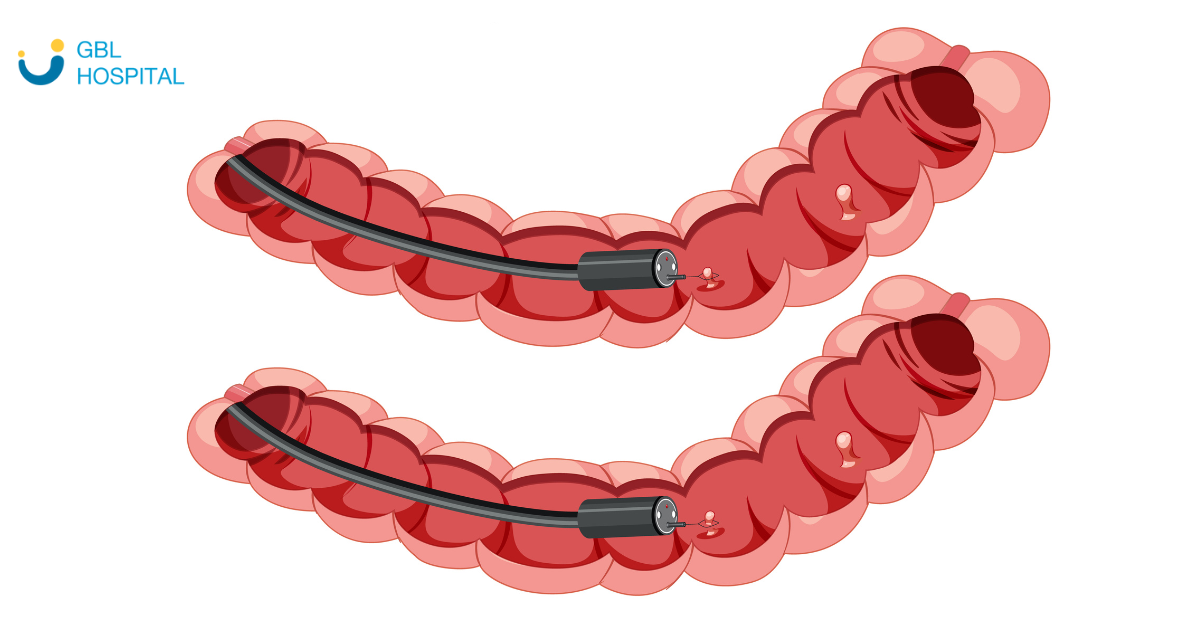
EUS combines endoscopy and ultrasound to create detailed images of the digestive tract and nearby organs. The endoscope has a built-in ultrasound probe, allowing the doctor to closely examine structures like the pancreas, liver, lymph nodes, and bile ducts.
When Is EUS Used?
EUS is primarily used for:
Diagnosing pancreatic, stomach, and esophageal diseases
Detecting early-stage cancers
Assessing chronic pancreatitis
Guiding fine-needle aspiration (FNA) biopsies
Evaluating gallstones and bile duct abnormalities
Patients visiting a Gastroenterologist in Indore often undergo EUS when precise imaging and diagnosis are needed before planning further treatment.
ERCP vs. EUS: Key Differences
Purpose
ERCP is both diagnostic and therapeutic.
EUS is mostly diagnostic and helps in treatment planning.
Invasiveness & Risk
ERCP is more invasive and carries a slightly higher risk of complications like pancreatitis.
EUS is safer and has fewer side effects.
Image Quality
ERCP provides X-ray images of the ducts.
EUS gives high-resolution ultrasound images of tissues and organs.
Treatment Capability
ERCP allows immediate treatment (stone removal, stent placement).
EUS helps in diagnosis but is not used for major treatments.
Which Procedure Is Better?
There is no one-size-fits-all answer. The choice depends on your condition:
If treatment is required, such as removing stones or relieving blockag,e ERCP is the better option.
If a precise diagnosis or cancer evaluation is needed, EUS is preferred.
The right decision should always be made by an experienced Gastroenterologist in Indore, who will evaluate symptoms, imaging reports, and overall health before recommending the best approach. Both ERCP and EUS are valuable tools for managing complex gastrointestinal problems. While ERCP offers therapeutic benefits, EUS excels in diagnosis and early detection. If you are seeking expert evaluation or ERCP Treatment in Indore, consulting a skilled gastroenterologist will ensure safe, accurate, and effective care tailored to your needs.