

When planning a major facility upgrade, installing high-performance flooring is one of the most critical decisions you will make. The flooring system you choose will influence your building’s durability, safety, hygiene, aesthetics, and long-term operational efficiency. As a team deeply committed to excellence in facility enhancement, we understand the importance of evaluating every detail before committing to this investment. At Superior Floor Coatings, LLC, we guide our clients through each essential step to ensure a flawless, long-lasting result.
Below are the most important considerations you should evaluate before installing repainting epoxy floor, ensuring your project delivers exceptional value, resilience, and performance.
Assessing Your Facility’s Environmental Conditions
Before any installation begins, it is crucial to evaluate the daily conditions your floors will endure. Temperature fluctuations, humidity, chemical exposure, heavy equipment usage, and foot traffic all directly influence the performance of epoxy systems. For manufacturing centers, warehouses, and laboratories, the surface must withstand spills, vibration, shock, and constant movement.
Contaminants such as oils, greases, and solvents may require pre-treatment or specialized primers. Facilities with frequent water exposure must consider moisture-mitigation steps to avoid delamination. By accurately understanding these environmental influences, we tailor flooring systems that resist scratching, chemical breakdown, and moisture-related complications.
Evaluating Substrate Condition and Preparation Requirements
The foundation of a successful flooring system lies in the condition of the concrete substrate. Proper evaluation ensures long-term adhesion and minimizes future maintenance concerns. Any cracks, uneven surfaces, or deteriorated areas must be addressed before installation. Grinding, shot blasting, or moisture testing may be required to provide optimal adhesion and stability for the epoxy.
Skipping or rushing surface preparation often leads to premature coating failure. As professionals at Superior Floor Coatings, LLC, we emphasize detailed inspection and thorough preparation as these steps significantly extend the lifespan and beauty of any flooring system.
Choosing the Right Epoxy System for Your Industry
Every industry has unique flooring needs, and choosing the right epoxy formulation ensures ideal performance. High-build systems offer exceptional strength for industrial settings, while thin-mil coatings work well in retail or commercial environments requiring a sleek, modern finish.
For businesses needing brand enhancement, customizing an epoxy floor with a logo offers a visually striking solution. This allows facilities such as showrooms, gyms, and corporate offices to incorporate branded identity directly into the flooring design. Likewise, anti-slip finishes, antimicrobial coatings, and UV-resistant options are available for safety and compliance with industry standards.
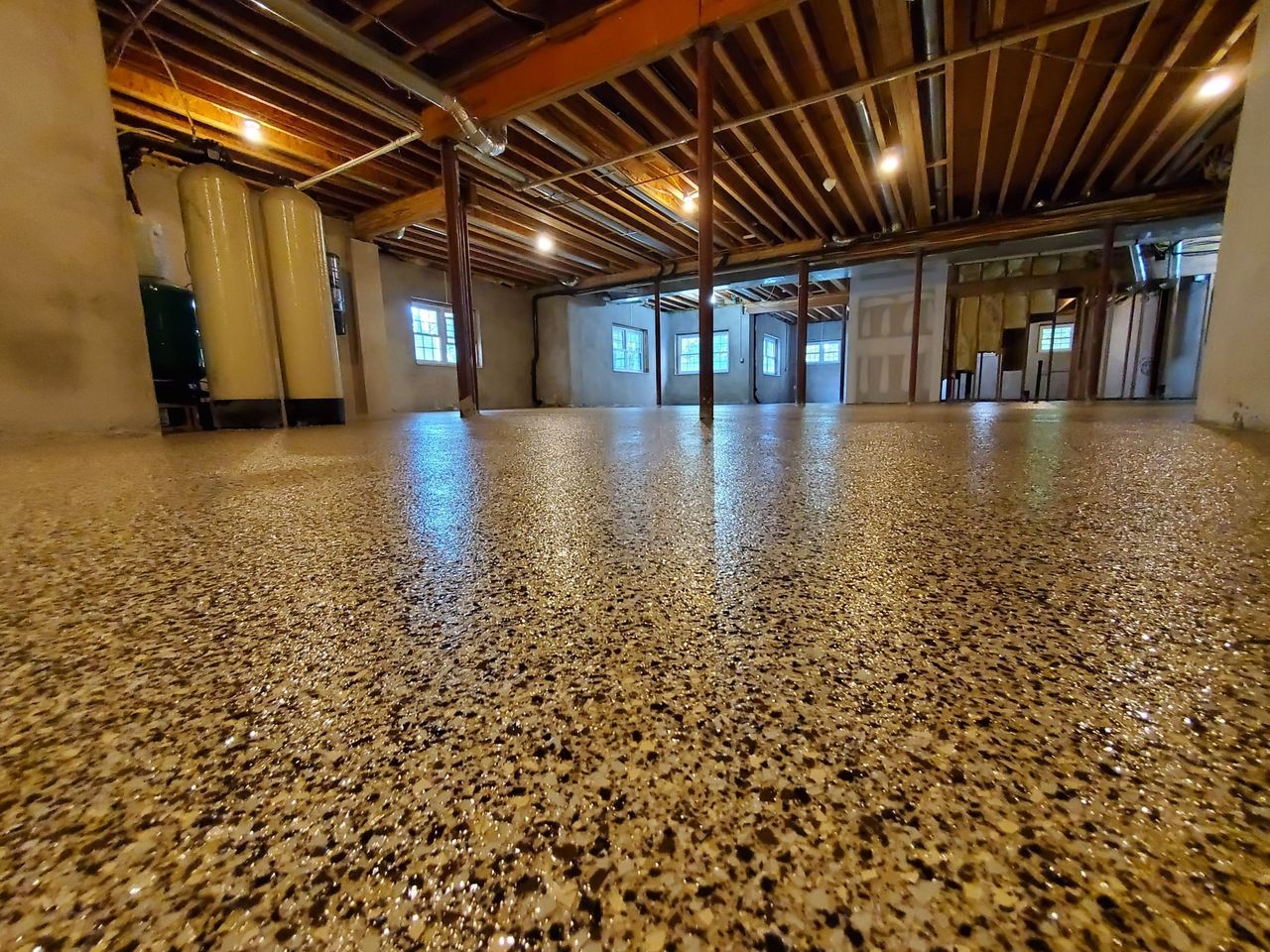
Having clarity on your facility’s goals will determine whether you need decorative flakes, metallic finishes, or heavy-duty, chemical-resistant blends.
Understanding Long-Term Maintenance and Durability Expectations
While epoxy flooring is known for its longevity, you should account for future maintenance requirements to keep the system performing optimally. This is especially relevant for businesses planning branding updates, as repainting epoxy floor surfaces may require surface buffing or light recoating to maintain vibrancy and protection.
One of the advantages of epoxy systems is their low maintenance compared to traditional flooring materials. Routine cleaning, occasional resurfacing, and periodic inspections help preserve durability and appearance. This proactive approach ensures your floors maintain their shine and structural integrity for years, even under heavy industrial use.
Safety, Compliance, and Operational Considerations
Safety is a top priority in any commercial facility. Slip-resistant additives, impact resistance, and chemical protection all help reduce workplace hazards. Custom epoxy systems can meet OSHA standards, fire-resistance requirements, and hygienic regulations for industries such as pharmaceuticals and food processing.
Facilities open to the public can benefit from smooth, seamless finishes that eliminate trip hazards and support ADA compliance. For corporate branding, integrating an epoxy floor with logo can also improve wayfinding and create focal points that enhance visitor experiences while maintaining safety.
Assessing operational schedules is equally important. Installations may require downtime, ventilation planning, and coordinated workflow adjustments. Preparing in advance ensures minimal disruptions to business operations.
Aesthetic Design and Branding Opportunities
Flooring is not only functional—it also contributes to the overall visual environment of your facility. Epoxy offers a wide range of design possibilities, including metallic swirls, quartz blends, solid colors, and geometric patterns.
Businesses undergoing rebranding or remodeling often find that repainting epoxy floor surfaces allows them to update their aesthetic without replacing the entire floor system. This cost-effective option keeps facilities looking modern and fresh while preserving the existing epoxy structure.
The versatility of epoxy coatings helps elevate everything from lobbies and showrooms to production floors. Thoughtfully chosen colors, finishes, and textures create a cohesive atmosphere that supports your facility’s identity.
Budget Planning and Long-Term Cost Efficiency
While upfront cost is important, the true value of flooring lies in long-term durability and reduced maintenance needs. Epoxy provides significant savings by avoiding frequent repairs, replacements, or costly shutdowns. Because epoxy systems are resistant to abrasion, chemicals, and heavy impacts, they offer a more cost-efficient option over time.
Budgeting should also account for preparation, specialized coatings, design customization, and potential downtime. Investing in a high-quality installation ensures the flooring system performs consistently for decades. Choosing commercial epoxy flooring is ultimately a strategic financial decision that reduces long-term facility expenses.
Working With Experienced Flooring Professionals
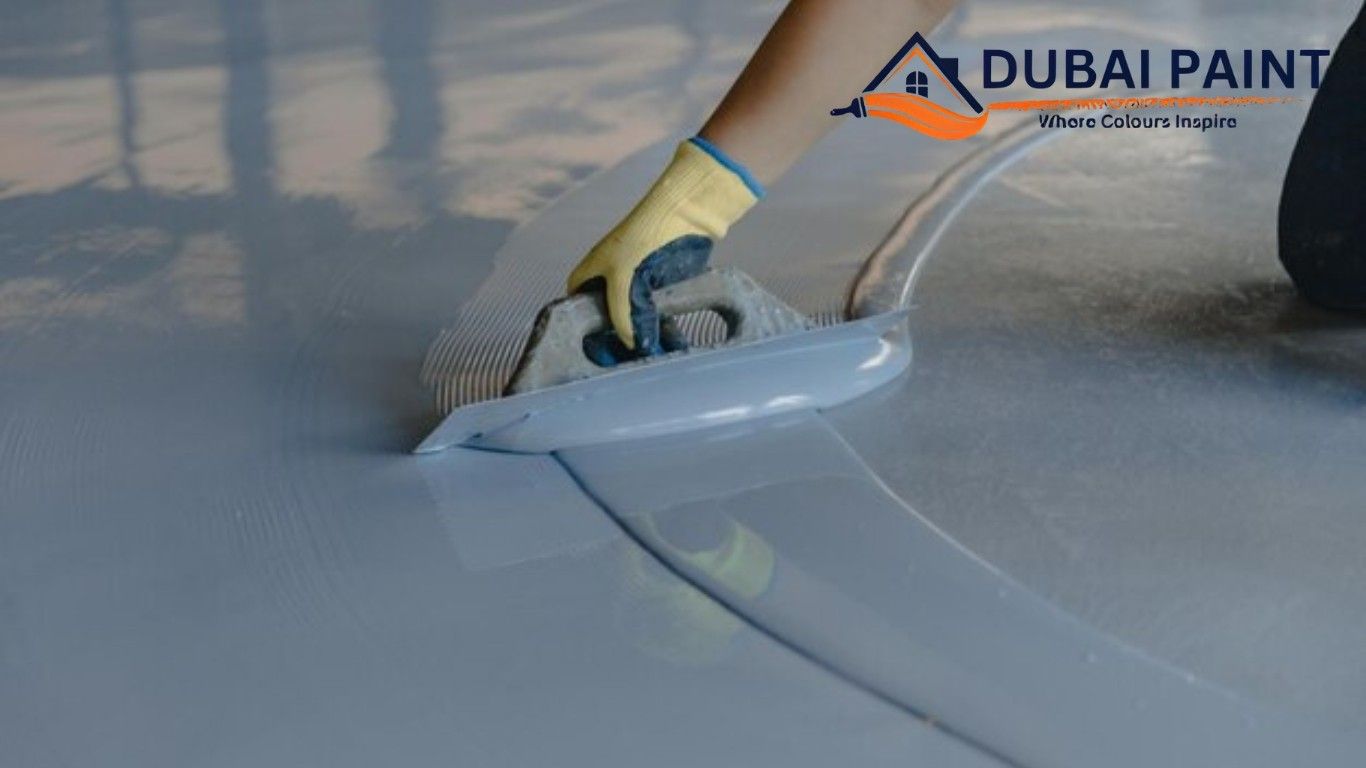
Not all epoxy installations are the same. The quality of the final product depends heavily on the experience and expertise of the installation team. Working with a skilled professional ensures proper surface preparation, precise mixing of materials, and smooth, even application.
Expert installers assess your facility, recommend appropriate systems, and manage the project efficiently from start to finish. A trusted provider also ensures compliance with all industry standards and manufacturer specifications.
When planning your commercial epoxy flooring project, partnering with seasoned experts ensures long-lasting performance, minimized risk, and maximized value. With our commitment to excellence, we deliver reliable systems that stand the test of time.
Conclusion: Invest Wisely in Your Facility’s Future
Installing commercial epoxy flooring is a major investment that enhances durability, safety, and overall facility aesthetics. By considering environmental conditions, substrate preparation, compliance requirements, aesthetic goals, and long-term maintenance, you can ensure your flooring solution supports your facility’s needs for years to come.
A professionally installed epoxy system strengthens your operational foundation and creates a safer, more attractive environment for employees and visitors alike.