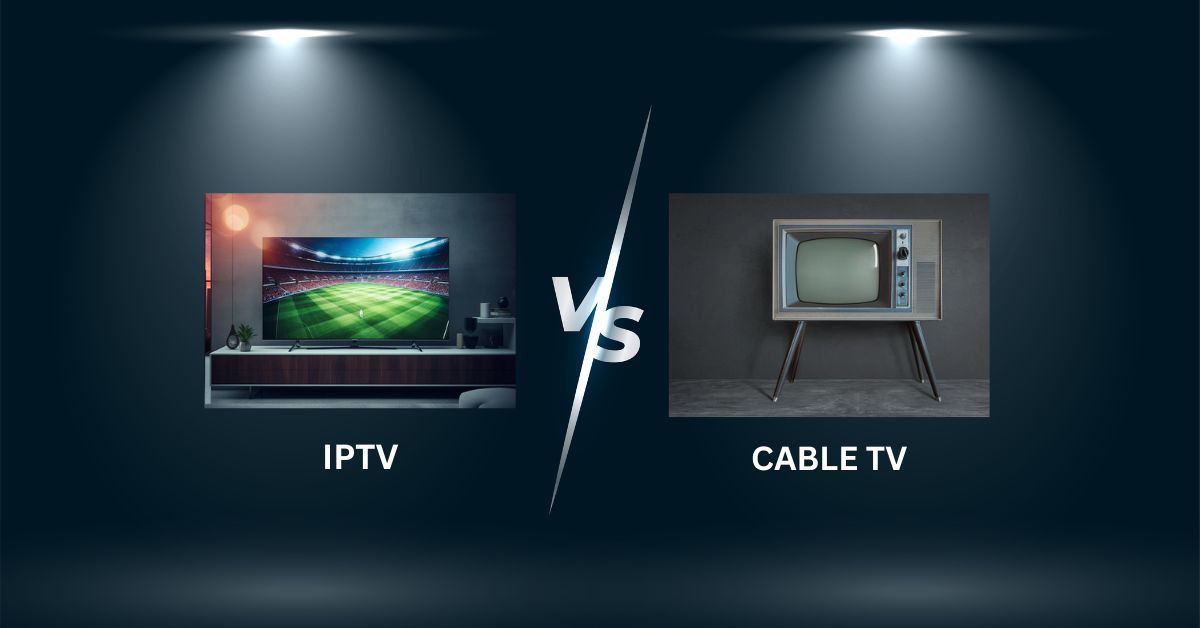
For decades, cable TV was the default choice in most homes. You signed up, plugged in the box, and that was it. No one really questioned it because there wasn’t much to compare it with. Over the last few years, though, things shifted. People began streaming more than they watched traditional TV, and the idea of getting channels through the internet didn’t feel strange anymore. IPTV slipped into that space and gradually began to emerge as the option people consider first.
What IPTV Actually Offers
When you use IPTV, everything you watch arrives through your internet connection. It’s not tied to a bulky box or a fixed set of cables in the wall. As a result, the experience feels closer to using a streaming app than flipping through old TV menus. You can jump between devices without thinking too hard about it. Start something on the TV, continue on your phone, or watch a live match from a tablet while cooking. It doesn’t lock you into one spot in the house.
Another thing people notice quickly is the range of channels. IPTV isn’t limited to local broadcasters or region-specific packs. You might find channels from Europe, South Asia, the Middle East, or wherever your interest lies. For families that want to stay connected to their home language or culture, this part often matters more than anything else.
Where Cable Still Holds Its Ground
Cable TV has its own strengths. The biggest one is stability. Since it runs through a dedicated line, it doesn’t compete with your Wi-Fi, downloads, or anything else happening online. Even if your internet slows down, the cable channels continue without buffering. Some viewers prefer that consistency because it’s familiar and fuss-free.
That said, cable systems still use older-style interfaces. You get the channel list, a guide, and not much more. If you’re used to apps that recommend shows or let you rewatch something instantly, cable TV feels a bit stuck in time.
Performance Differences You’ll Notice
Both IPTV and cable can deliver great picture quality, but the conditions differ. A strong internet connection means IPTV can play HD or 8K without trouble. If the connection drops, the quality drops with it. Cable stays more consistent, though it can’t adapt or upscale the way modern streaming systems can.
With faster fibre connections becoming normal in many areas, IPTV is getting closer to the smoothness cable users rely on.
Cost and Value
Cable subscriptions usually start low and slowly climb. You pay for the box, the installation, and sometimes extra for HD or sports channels. IPTV tends to skip the added fees because it doesn’t require physical setup. Most people switch because they’re surprised by how much they save without losing the channels they care about.
Ease of Use in Daily Life
People often expect TV to be simple. IPTV menus are more modern and usually easier to navigate. You can search for a show the same way you’d search inside a streaming app. Cable TV works fine, but it feels more rigid, and everything depends on the channel schedule.
Which One Makes More Sense Today?
If you want something that just runs in the background without depending on your internet connection, cable is still serviceable. It’s old-school, but it works. If flexibility matters—watching on different screens, lots of international channels, or a setup that feels new rather than outdated—IPTV is generally the better fit.
Final Thoughts
The shift from cable to IPTV isn’t dramatic; it’s more of a slow adjustment to how we already use technology. Many people realise they prefer choosing what to watch rather than accepting whatever the cable schedule offers. IPTV fits naturally into that habit. Cable TV hasn’t disappeared, but it no longer feels like the default choice.
Also read - What is an IPTV Box?
Is IPTV technologies almost everything it really is supposed to become, or is it just one more example of technological hype?
Perhaps this information and facts can help your choice as to irrespective of whether you might be prepared for the IPTV revolution.
Internet protocol television or IPTV, is usually a progressively well known technology for the transportation of data data and Audio and Video (AV), across an IP primarily based digital network.
Add to the equation a set top box (STB) and AV data is usually streamed more than existing networks to PCs or televisions.
Because of the high bandwidth demands of digital video, IPTV needs broadband Internet connectivity.
AV sources could be streamed over present networks to PCs or televisions together with the addition of set major boxes (STB).9.