





Muscle spasms can happen at any age, but for older adults, they’re often stronger, more frequent, and more disruptive.
What feels like a mild cramp in your 30s can feel like a sharp, sudden tightening in your 60s or 70s. And there’s a reason for that-aging changes the way muscles behave, the way nerves communicate, and the way medications affect the body.
As we grow older, our muscles gradually lose mass (a process called sarcopenia), and the fibers become less responsive and slower to recover.
Circulation also isn’t as efficient as it used to be, which means muscles don’t receive the same steady supply of oxygen and nutrients. These natural changes make spasms more likely, especially during simple activities like walking, stretching, or even sleeping.
Understanding Muscle Spasms in Older Adults
Muscle spasms may feel sudden and unpredictable, but in older adults, they usually come from a combination of age-related changes working together behind the scenes. As the body ages, muscles lose elasticity, nerves fire differently, and circulation slows down. These changes don’t mean anything is “wrong”-they’re simply part of natural aging. But they do make seniors more vulnerable to tight, painful muscle contractions that strike without warning.
Age-Related Muscle Changes (Sarcopenia)
One of the biggest contributors is sarcopenia, the gradual loss of muscle mass that begins as early as age 40 and becomes more noticeable past 60. With fewer healthy muscle fibers available, the body struggles to maintain strength and stability, and tired, weakened muscles are more likely to cramp under minor stress.
According to the National Institute on Aging, older adults can lose up to 8% of muscle mass per decade after age 40, and the rate accelerates after age 60. Weakened muscles simply fatigue faster, triggering spasms more easily.
Reduced Circulation & Slower Recovery
Circulation naturally becomes less efficient with age. When oxygen and nutrients don’t reach muscle tissues quickly enough, the muscles respond by tightening or “locking up.” This is especially common at night, when blood flow slows down and the legs remain still for long periods.
This is why many seniors report muscle spasms in the calves or feet while sleeping, sitting for too long, or waking up in the morning.
Electrolyte & Nutrient Deficiencies
Older adults may have lower intake-or absorption-of key nutrients that directly affect muscle function:-
- Magnesium (helps muscles relax)
- Potassium (supports nerve signals)
- Calcium (essential for muscle contractions)
- Vitamin D (maintains muscle strength)
Low levels of these nutrients make muscles more excitable and prone to spasming, especially in warm weather, during illness, or with certain medications that cause increased urination.
Dehydration
Many seniors drink less water throughout the day, either due to reduced thirst, mobility challenges, medication side effects, or fear of frequent bathroom trips. Even mild dehydration can cause tight, cramp-like spasms, particularly in the legs.
Aging Nervous System
Nerves age just like muscles. Over time, the communication between nerves and muscles becomes slower and sometimes inconsistent. These misfires can trigger sudden contractions-even without physical strain.
Why This Matters for Medication Use
Because the causes are multifactorial, medication alone is rarely the first solution for seniors. Addressing hydration, nutrient balance, circulation, and physical activity often reduces spasms more effectively-and more safely-than relying immediately on muscle relaxants.
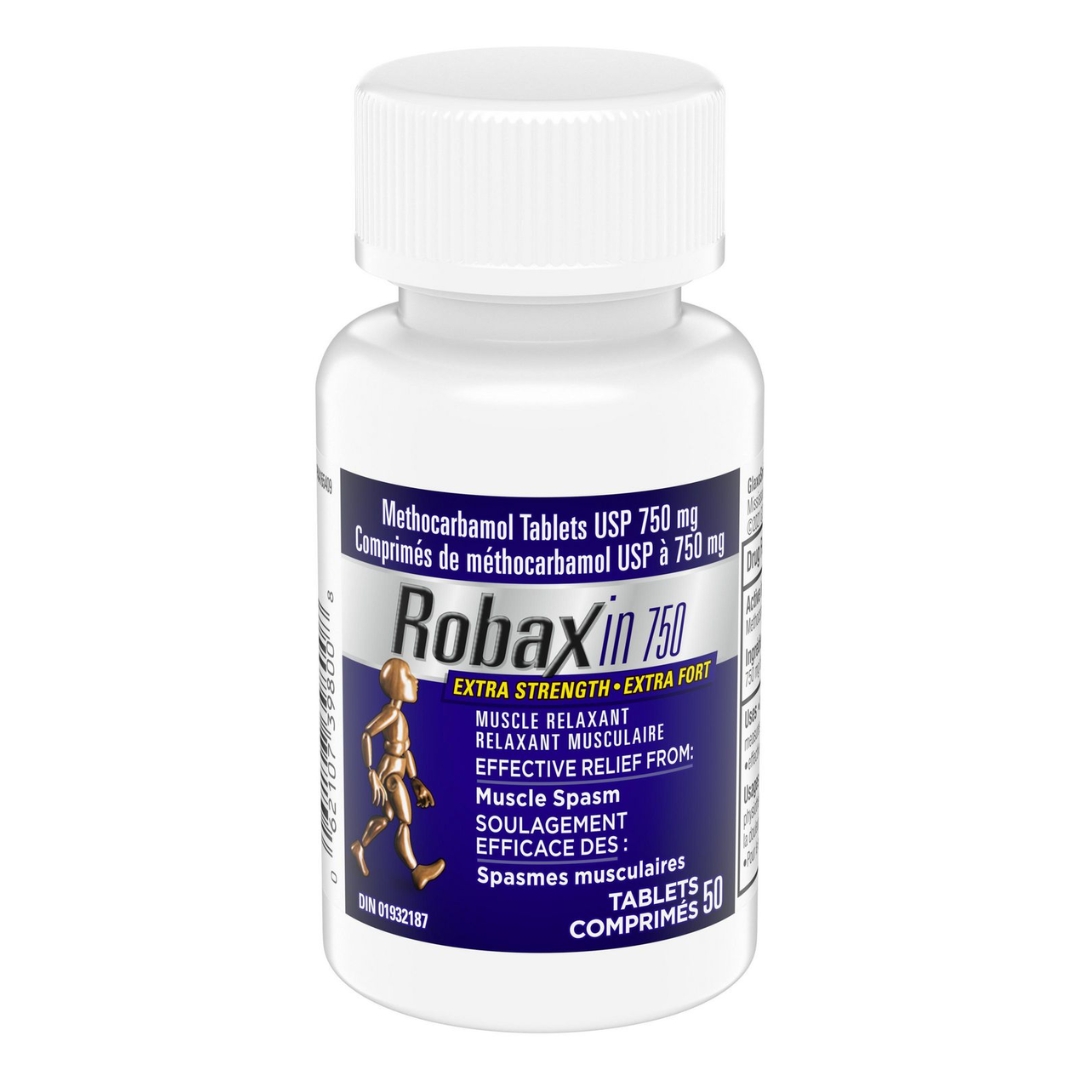
However, when spasms cause pain, limit mobility, or disrupt sleep, a carefully chosen medication such as methocarbamol (Robaxin 750) may be considered under pharmacist guidance due to its comparatively lower sedation risk than other relaxants.
Explore Robaxin 750 here:-
👉 https:-//www.pharmacy24.ca/product/robaxin-750-extra-strength-muscle-relaxant-tablets/
Common Causes of Muscle Spasms in the Elderly
For older adults, muscle spasms rarely come from a single source. Instead, they’re usually the result of multiple age-related changes happening at the same time. Understanding these triggers helps seniors-and caregivers-make better decisions about treatment, prevention, and safe medication use.
1. Medication Side Effects (A Commonly Overlooked Cause)
Many older adults take multiple medications, and some of these can directly contribute to muscle spasms. Diuretics (water pills), statins, inhalers, and certain blood pressure medications may cause electrolyte loss or affect nerve signaling. When essential minerals like potassium or magnesium drop, even slightly, muscles can contract suddenly and painfully.
This is why pharmacists emphasize regular medication reviews, especially when seniors experience new or worsening spasms.
2. Chronic Medical Conditions
Age increases the likelihood of long-term conditions, many of which directly impact muscle function:-
- Diabetes:- nerve damage (neuropathy) can cause painful muscle tightening
- Arthritis:- muscle imbalance around stiff joints may trigger spasms
- Peripheral artery disease:- reduced blood flow leads to muscle pain and cramping
- Neurological issues:- nerve miscommunication increases spasm risk
These conditions don’t just increase discomfort-they also change how seniors respond to medications, including muscle relaxants.
3. Dehydration or Low Fluid Intake
Older adults often drink less water due to reduced thirst, mobility limitations, or fear of frequent bathroom visits. Even mild dehydration can cause muscles to tighten because fluid is required to maintain proper nerve signals and muscle relaxation.
Night-time spasms are especially common because many seniors avoid drinking water later in the day, leading to fluid imbalance while sleeping.
4. Low Physical Activity Levels
When muscles remain unused for long stretches-common in seniors who sit for extended periods-they lose flexibility and strength. Stiff muscles fatigue quickly and contract without warning. Even light daily movement, stretching, or a short walk can dramatically reduce the frequency of spasms.
5. Poor Sleep Position & Circulation Issues at Night
Lying in one position for hours reduces blood flow to certain muscle groups. Combine this with the age-related decline in circulation, and the result is night-time or early-morning spasms, especially in the calves, feet, and thighs.
Seniors who sleep with their legs bent sharply or pointed downward are particularly susceptible.
6. Nutrient Deficiencies (Magnesium, Vitamin D & Potassium)
Older adults may not absorb nutrients as efficiently as younger individuals. Low levels of magnesium, vitamin D, potassium, or calcium can make muscle fibers more irritable. These deficiencies often go unnoticed until painful spasms begin.
Increasing dietary intake-or supplements recommended by a healthcare professional-may significantly reduce symptoms.
Why Understanding These Causes Matters
Knowing why spasms happen helps guide the safest treatment plan. Instead of reaching immediately for strong medications (which can increase fall risk, confusion, or sedation), pharmacists often encourage seniors to first address underlying issues like hydration, medication interactions, or mobility.
However, for seniors with severe, disabling, or frequent spasms, a safer muscle relaxant like methocarbamol (found in Robaxin 750) may be considered-with proper monitoring.
Robaxin 750 Buy Now
👉https:-//www.pharmacy24.ca/product/robaxin-750-extra-strength-muscle-relaxant-tablets/
Safe Use of Muscle Relaxants in Seniors
Muscle relaxants can be helpful, but they must be used very carefully in older adults. Seniors metabolize medications more slowly, meaning the same dose can feel stronger, last longer, and cause more intense side effects compared to younger adults.
Because of this, pharmacists follow a “start low, go slow” approach-beginning with the lowest possible dose and increasing only if absolutely necessary.
Drugs like cyclobenzaprine, baclofen, and tizanidine are known to cause drowsiness, confusion, and instability. For seniors, these effects can quickly lead to loss of balance or falls. This is why many commonly used muscle relaxants appear on the Beers Criteria, a respected list of medications that are high-risk for older adults.
One of the safer options sometimes considered is methocarbamol (Robaxin 750) because it carries a lower risk of heavy sedation. Even then, seniors should take the first dose when they are at home, avoid driving, and never combine it with alcohol, sleep aids, or anxiety medications.
If used correctly and monitored carefully, it may help with short-term relief from acute muscle spasms caused by strain, posture issues, or movement-related injuries.
You can explore a pharmacist-reviewed option here:-
👉 https:-//www.pharmacy24.ca/product/robaxin-750-extra-strength-muscle-relaxant-tablets/
Warning Signs That Require Medical Attention
Not all muscle spasms are harmless. Older adults should contact a healthcare provider if they experience:-
- New or increasing dizziness, confusion, or unsteadiness
- Muscle spasms happening multiple times per day
- Swelling, redness, or strong pain around the affected area
- Spasms that last more than 10 days despite home care
- Weakness, numbness, or tingling, which may indicate nerve involvement
- Symptoms that worsen after starting a new medication
- Frequent night-time cramps disrupting sleep
These signs can point to underlying issues like nerve compression, circulation problems, or complications from medications.
Pharmacist-Recommended Prevention Plan for Older Adults
Managing muscle spasms isn’t just about medication-it’s about creating a daily routine that protects aging muscles, nerves, and joints. A few evidence-based strategies include:-
- Stay consistently hydrated with small, regular sips throughout the day
- Reduce long sitting periods-stand, stretch, or walk briefly every 45–60 minutes
- Add gentle calf, hamstring, and ankle flexibility exercises each morning and evening
- Wear supportive, non-slip footwear to reduce muscle strain and improve balance
- Review your medication list with a pharmacist twice a year
- Maintain adequate Vitamin D and magnesium levels through diet or supplements (when recommended)
- Keep warm at night, especially legs and feet, to maintain circulation
Small habits can significantly lower the frequency of muscle spasms-often more effectively than medication.
FAQs
Why do older adults get more muscle spasms?
Because aging reduces muscle mass, slows circulation, and increases the likelihood of nutrient deficiencies and chronic conditions that affect nerve function.
Can seniors take muscle relaxants safely?
Yes, but only under direct pharmacist or physician supervision. Many muscle relaxants pose fall or sedation risks for older adults.
What is the safest muscle relaxant for older adults?
Methocarbamol (Robaxin 750) is often considered a safer short-term option because it causes less sedation compared to others, but it still requires strict monitoring.
Are muscle spasms a sign of nerve damage in seniors?
They can be. Persistent spasms, weakness, or tingling may indicate neuropathy or nerve compression and should be evaluated by a professional.
Should seniors take magnesium for nighttime cramps?
Magnesium may help if a deficiency exists, but older adults should confirm with a pharmacist or physician before starting supplements.
Conclusion
Muscle spasms in older adults are common, but that doesn’t mean they must be tolerated. With the right combination of hydration, gentle movement, nutrient balance, and medication review, many seniors can significantly reduce their frequency and intensity.
When medication is necessary, a pharmacist can help determine the safest option and dosage, ensuring relief without compromising safety.
Older adults deserve pain-free mobility-and the right guidance makes that possible.
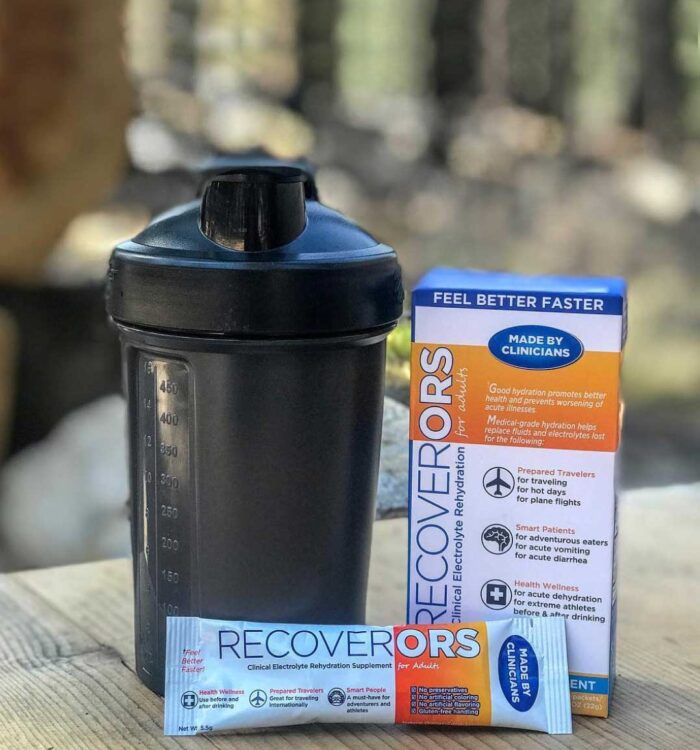
Hence, it becomes essential to keep the body hydrated and enriched with electrolytes to enjoy health benefits.
You can buy Electrolyte Drink Powder to replenish body minerals.What are electrolytes?Electrolytes are ores seen in your blood that help manage and check the balance of fluids in the body.
Take the Best Drink For Dehydration In Adults to maintain body health.The main components of the Best Hydration Powder are:●Sodium.●Potassium.●Magnesium.
Because, if you lose these minerals either by intense exercise, sweating, vomiting, or diarrhea, you may suffer from diarrhea and feel miserable.
You should use the Best Electrolyte Powder Packets to replenish your electrolytes.Indication of dehydration:●Dry lips.●Dry mouth.●Severe headache.●Weakness●Dizziness●nausea and vomiting●Muscle cramps●ThirstThe number of electrolytes you lose during exercise relies on weight, fitness level, intensity, duration of the activity, humidity, and sweat.
Electrolyte drinks:Electrolytes are available in various forms such as they can be foundin tablets that you can drop in water, Electrolyte Powders that can be mixed up, in liquid form that is available in a regular water bottle.

They comprise overall health benefits, stress relief, stress relief, stress control, pain management, nutrition counselling, rehabilitation, alternative medicine, acupuncture, massage therapy, more and more.
It is not a quick fix and needs to be repeated daily.Overall health benefits, Chiropractic uses medication for example spinal manipulation to help fix problems in the backbone.
Chiropractor treatment helps with posture, muscle relaxation, joint flexibility and alignment.
Tension and body motion often results from the release of chemicals called endorphins, which are mood altering hormones.
A chiropractor session will concentrate on relaxing the body by stretching out your throat, back, hips, shoulders and even your feet and hands.
You may also find chiropractic therapy benefits for the mind and body together using massage therapy and reflexology.