


Asking what a hydrafacial costs in New York is like asking what lunch costs. Could be $8 at a bodega or $75 at some place with a waitlist. Same city, completely different universes.
Hydrafacials work the same way. A clinic in Tribeca might charge triple what somewhere in Queens charges for literally the same treatment. Not similar—identical equipment, same steps, same duration. The difference? Location, branding, how fancy the bathroom is.
Anyone looking into hydrafacial NYC pricing expecting a straight answer is in for disappointment. It's not one number—it's a range that makes no sense until the variables get unpacked.
What Most Places Actually Charge
Typical range sits between $150 and $400 per session. Massive gap for what's supposedly standardized treatment.
Location explains a chunk of it. Manhattan zip codes automatically add 30-50% to the bill compared to outer boroughs. Not because the treatment's better in SoHo versus Astoria. Because rent in SoHo is insane and that cost gets passed along. Upper East Side med spas targeting hedge fund wives charge accordingly. Clinic near a subway stop in Brooklyn? Different clientele, different pricing.

Provider type matters too. Dermatology practice run by board-certified doctors charges more than standalone beauty clinic. They're not necessarily doing better hydrafacials—the aesthetician might have identical training—but doctor oversight adds perceived value some people want. Others couldn't care less as long as the person doing the treatment knows what they're doing.
Then there's the amenity factor. Waiting room with fancy coffee and complimentary wine? Eucalyptus-infused towels? Designer robes? Someone's paying for all that aesthetic nonsense, and it's definitely not coming from nowhere. No-frills clinic with basic equipment and functional furniture costs less because there's less overhead burning cash.
Reading the Fine Print on What's Included
This part gets annoying. Base price doesn't mean the same thing everywhere.
Some places include the full treatment—cleansing, exfoliation, extraction, hydration, LED therapy if that's part of their protocol. One price, everything covered, no surprises.
Others advertise lower rates then nickel-and-dime everything. Lymphatic drainage boost? $50 extra. LED therapy? Another $75. Extending treatment to neck and chest? $40 more. That $150 advertised rate becomes $315 at checkout and nobody warned anyone beforehand.
Always ask upfront: "Does this price cover the complete treatment or are there add-ons?" Saves the awkward moment when the bill appears and doesn't match what was expected.
Also watch for product pushing after treatment. Some providers hard-sell expensive serums and home care products. Not always bad if recommendations make sense, but worth knowing whether there's a sales pitch coming.
Package Deals That Might Actually Save Money
Single sessions are one thing. Most places push packages or memberships that lower the per-treatment cost.
Standard package: three sessions for 10-15% off total. Six sessions, maybe 20% discount. Makes sense financially if someone's planning multiple treatments anyway, which most people need for sustained results. One hydrafacial doesn't do much long-term.
Memberships work differently. Monthly fee—usually $150-250—covers one treatment plus discounts on other services. Good value if someone's actually going monthly. Terrible value if life gets busy and treatments go unused but the membership keeps charging.
Do the math before signing up. Calculate whether the package saves money based on realistic usage, not optimistic plans. Sometimes the "deal" only works if someone shows up more often than they actually will.
When Pricing Smells Wrong
Prices way below market deserve suspicion. $75 hydrafacial in Manhattan? Either corners are getting cut or it's not actually a real hydrafacial. Might be generic hydradermabrasion treatment using similar marketing.
No pricing on the website is another red flag. "Call for quote" usually means they're figuring out what they think someone will pay rather than having standardized rates. Not automatically a scam, but definitely sketchy.
Pressure to buy packages during the first appointment? Sales tactics shouldn't be part of medical aesthetics. Quality providers explain options without making clients feel trapped into committing to multiple sessions before they've even tried one.
Paying More Sometimes Makes Sense (Sometimes Doesn't)
Premium pricing occasionally delivers actual value. Board-certified dermatologist doing comprehensive skin analysis before customizing treatment? That expertise costs more for real reasons.
But $400 for standard hydrafacial because the spa has marble counters and designer lighting? That's paying for vibes, not treatment quality. Nothing wrong with that if ambiance matters—some people value the experience equally with results. Just be honest about what's being purchased.
Provider skill and experience matter way more than address. Seasoned aesthetician with years of experience in modest clinic often delivers better outcomes than newly trained person in fancy medical spa. Reviews, credentials, actual before-after photos reveal more about quality than price tag ever will.
How This Stacks Up Against Other Treatments
Helps to have context. Hydrafacials land in the middle range for skincare treatments—pricier than basic facials ($75-150) but cheaper than serious procedures.
Chemical peels run similar, usually $150-350 depending on strength. Microneedling typically $200-500. Laser treatments start around $300 and climb from there. Anyone checking out dermal fillers NYC pricing is looking at $600-1500 per syringe, which makes hydrafacials seem almost reasonable by comparison.
Hydrafacials work well as maintenance between more aggressive treatments, part of why they got so popular. Not cheap enough for weekly visits, not expensive enough to save up for six months. That middle ground of regular but manageable.
Actually Getting Value Without Getting Ripped Off
Research counts. Check reviews on multiple platforms—Google, Yelp, RealSelf, not just testimonials on the provider's site. Look for consistent patterns about results, cleanliness, professionalism. One angry review means nothing. Twenty people saying the same thing means something.
Ask about aesthetician qualifications during consultation. How long have they done hydrafacials specifically? What training? Licensed aesthetician with specialized certification isn't the same as someone who took a weekend course.
Visit multiple places before deciding. Comparing facilities, approaches, and pricing in person shows differences websites hide. Most offer free consultations—use them.
New client promotions are worth catching. Lots of clinics discount first treatments to attract business. That $400 service might be $200 for first-timers. Chance to evaluate quality before paying full freight.
The Ongoing Investment Nobody Mentions Upfront
Price per session only matters so much. Hydrafacials aren't one-and-done for most goals. Sustained results need regular sessions—monthly or every few months depending on skin issues and budget.
Real question isn't "what does one cost" but "what's the annual investment to maintain results." Someone paying $175 monthly spends $2,100 yearly. Changes the calculation from "can I afford this treatment" to "does this fit my long-term skincare spending."
Being realistic about that from the start prevents beginning something unsustainable. Better to budget for quarterly treatments consistently than do monthly sessions for three months before quitting because it's eating too much budget.
Single hydrafacial might improve skin temporarily. Maintaining that improvement is the expensive part nobody emphasizes during the first consultation.

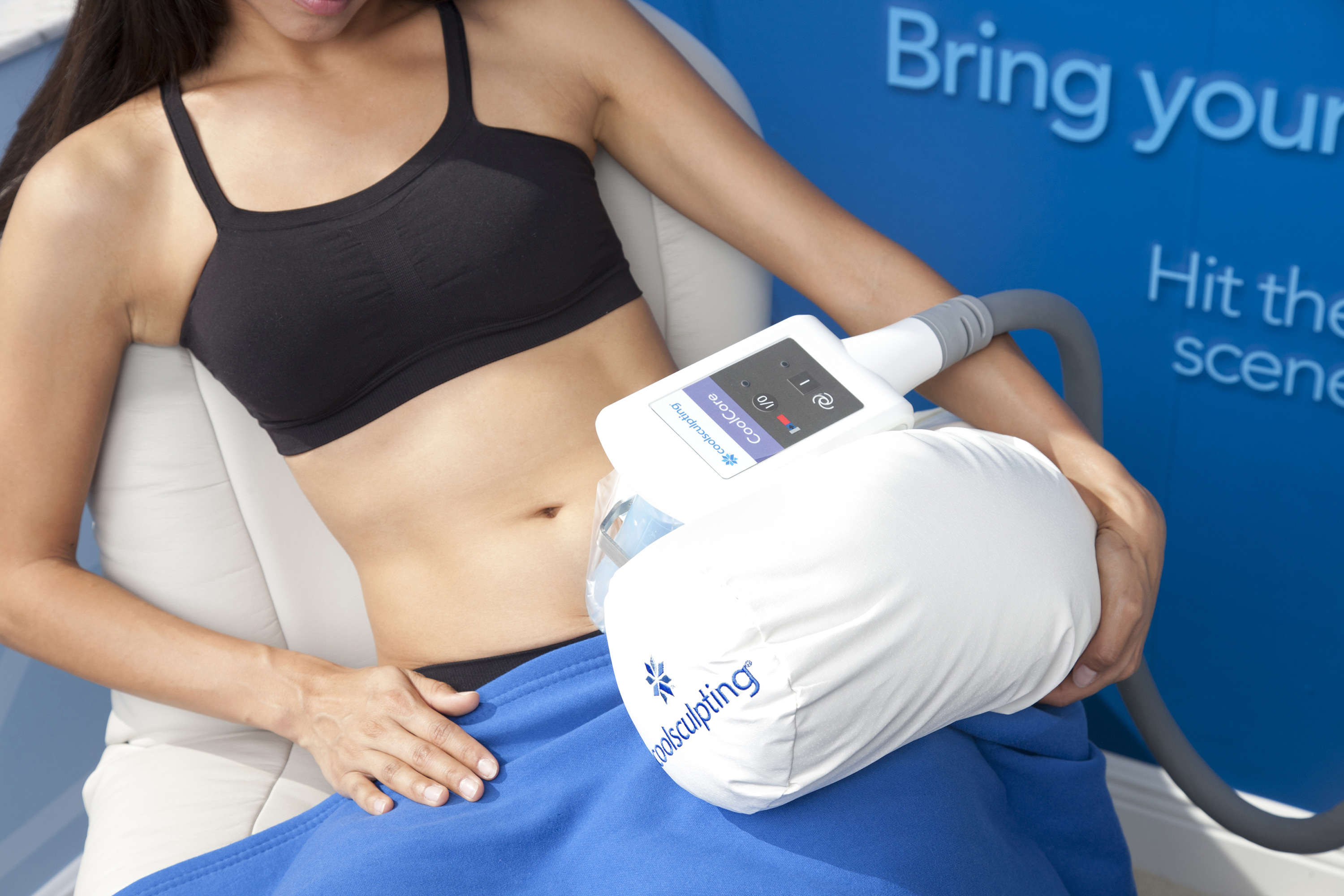
It helps you to get rid of stubborn fats.
The process is generally non-surgical, making it less invasive.
Most patients get the results they wanted after one treatment.
To keep losing fat, you should always go back to the hospital.
Benefits of CoolSculptingLow CostsThe first-most question arises how much does coolsculpting cost?
Liposuction helps in fat reduction, but the costs are high.

Are you interesting in knowing more about how much shredding costs when it is done onsite?
Visit here to learn more about our services and the costs involved.how much does shredding cost