


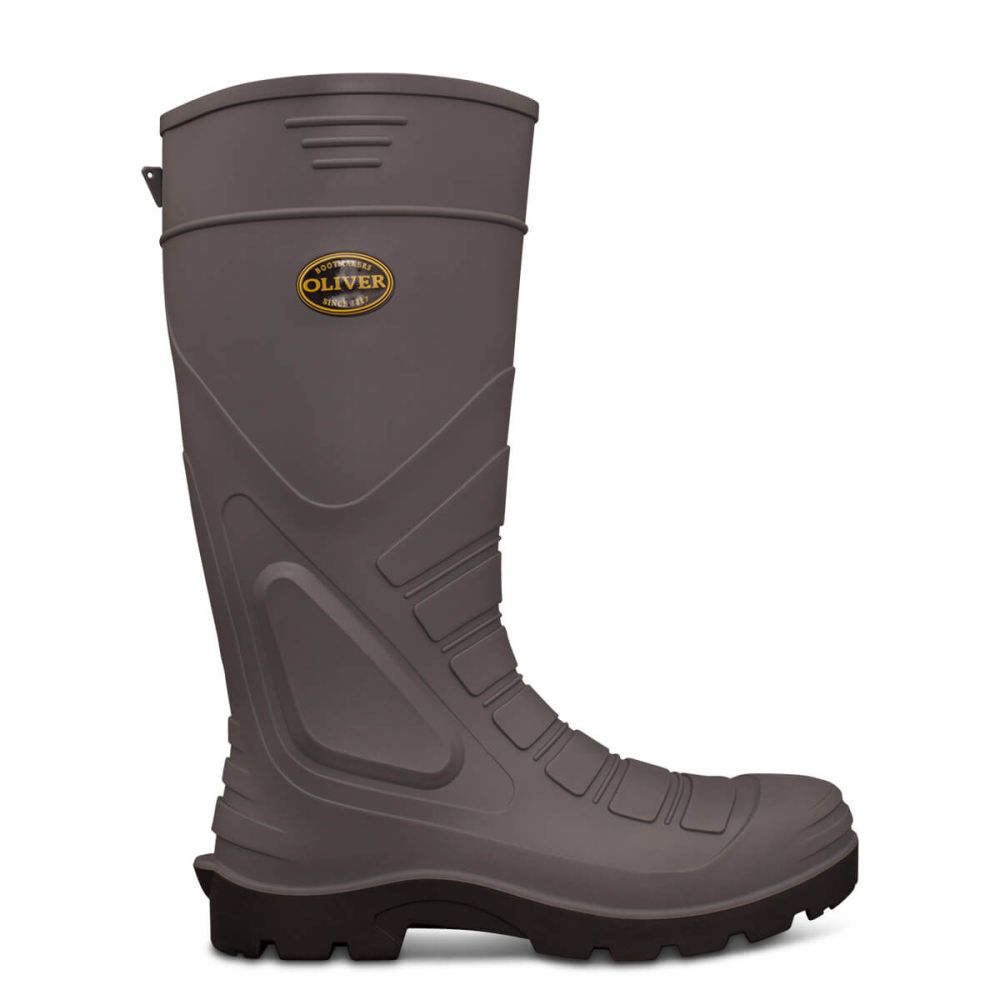
When it comes to safety footwear, gumboots are a staple for many Australians, whether you’re working on a construction site, navigating a farm, or just tackling wet and muddy weather. However, choosing the right gumboot is not always straightforward. Among the most common choices are ankle-length gumboots and knee-high gumboots. Each has its own set of advantages and drawbacks, making it essential to understand your needs before making a purchase.
Understanding the Basics
Ankle-length gumboots are boots that generally cover the ankle and sometimes a little higher. They offer moderate protection while maintaining flexibility and lightness.
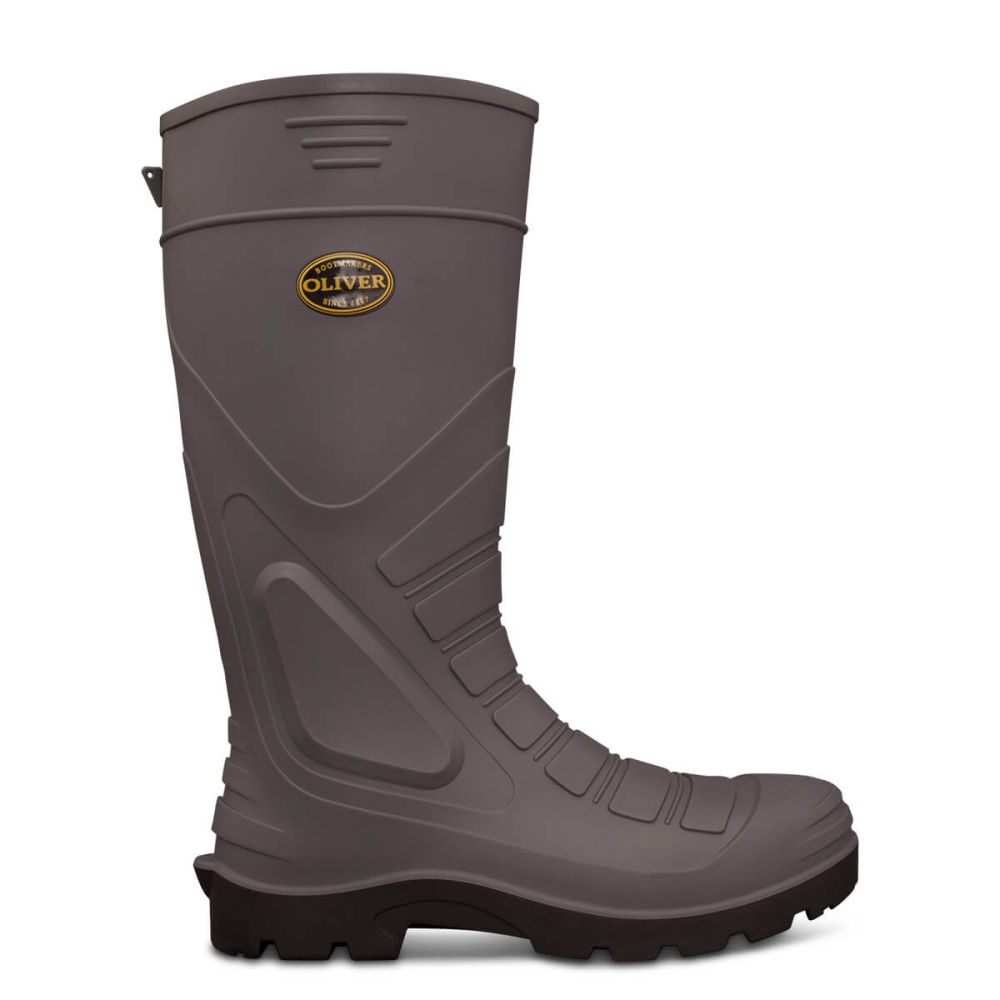
Knee-high gumboots, on the other hand, extend up to the knee, providing more comprehensive coverage against water, mud, and chemicals. These are often the go-to choice for heavy-duty work environments or extreme weather conditions.
Both styles are typically made from durable rubber or PVC materials, often with reinforced soles to provide grip and prevent slips. Yet, the height and design of the boot play a significant role in functionality and comfort.
Comfort and Mobility
One of the main differences between ankle-length and knee-high gumboots is mobility. Ankle-length gumboots are lighter and allow for greater freedom of movement, making them ideal for tasks that require bending, climbing, or walking long distances. Because they do not restrict your calf, ankle-length boots are often more comfortable for extended wear.
Knee-high gumboots, however, can feel bulkier and less flexible. They might restrict your movement slightly, particularly if you are navigating stairs, ladders, or uneven terrain. That said, modern designs often include features such as gusseted sides or adjustable tabs to improve fit and comfort.
If your priority is agility and lightweight footwear, ankle-length gumboots might be your best choice. If protection from harsh elements is more important, you might be willing to compromise slightly on flexibility.
Protection from the Elements
Knee-high gumboots clearly win when it comes to maximum protection. They prevent water, mud, and debris from entering the boot, making them perfect for heavy rainfall, flooded areas, or muddy farms. They also offer better protection against chemical spills or snake bites, as they cover more of your leg.
Ankle-length gumboots, while waterproof, leave the lower part of your legs exposed. In light rain or shallow puddles, this may not be an issue, but in deeper water or heavy mud, you might find your socks and pants getting wet or dirty.
In short, knee-high gumboots are better for extreme conditions, while ankle-length gumboots are suitable for lighter tasks or everyday wear in moderately wet environments.
Durability and Support
Durability is another factor to consider. Knee-high boots often use thicker rubber in the upper portion to withstand abrasion and prevent tearing. They may also have reinforced toes and heels to protect against impact. Ankle-length gumboots are generally simpler in construction and may wear out faster if used in harsh conditions regularly.
Support is also a consideration. Knee-high boots can provide additional leg support, helping to stabilize your ankle and calf during rugged work. Ankle-length gumboots, being shorter, provide less leg support but still protect your feet adequately. If you’re on uneven terrain frequently, knee-high boots might reduce fatigue and the risk of minor injuries.
Weight and Breathability
Knee-high gumboots are heavier due to the extra material, which can lead to fatigue if worn for long periods. They are also less breathable, which can cause sweating and discomfort in warmer conditions. Some knee-high boots include ventilation features, but generally, they are warmer than ankle-length options.
Ankle-length gumboots excel in lightweight comfort and allow for better airflow around the calf. If you’re working in a moderately wet but warm environment, ankle-length boots will likely feel cooler and more comfortable.
Style and Versatility
While gumboots are primarily functional, style can still matter, especially if you wear them casually or for leisure activities. Ankle-length gumboots often look less “industrial” and can be paired with jeans or casual pants without looking out of place. Knee-high boots, while functional, have a more utilitarian appearance, which might be less suitable for casual wear outside of work.
Versatility is another factor. Ankle-length boots can be easier to slip on and off, making them practical for quick tasks. Knee-high boots may take longer to put on and remove, especially if they are tight-fitting.
Cost Considerations
Price is often proportional to boot height and materials. Knee-high gumboots generally cost more due to the additional material and reinforced construction. Ankle-length gumboots are usually more affordable, making them an attractive option for those who need functional protection without the higher price tag.
However, investing in a quality pair of knee-high boots can be more cost-effective in the long run if you regularly face harsh conditions. They may last longer and prevent water damage or injuries that could result from inadequate footwear.
Choosing Based on Your Needs
Here’s a quick breakdown to help you choose:
• Choose ankle-length gumboots if:
o You need lightweight, flexible footwear.
o Your work involves a lot of movement or climbing.
o You are dealing with moderate wet conditions.
o You prefer a more casual or versatile style.
• Choose knee-high gumboots if:
o You need maximum protection from water, mud, or chemicals.
o You are working in extreme weather or harsh conditions.
o You want additional leg support and durability.
o You are less concerned about weight and flexibility.
Final Thoughts
Ultimately, the choice between ankle-length and knee-high gumboots comes down to your environment and specific needs. For light-duty tasks or casual use, ankle-length gumboots offer comfort, flexibility, and style. For heavy-duty work or extreme conditions, knee-high gumboots provide superior protection and durability.
It’s also worth considering hybrid options or boots with adjustable features, which can offer some of the best of both worlds. When purchasing, pay attention to the quality of the material, sole grip, and fit, as these factors significantly affect comfort and safety.
No matter which style you choose, investing in the right gumboots ensures your feet stay dry, comfortable, and protected, helping you perform your tasks efficiently and safely. After all, the right footwear is not just a matter of convenience—it’s a key part of staying safe on the job or enjoying outdoor activities without unnecessary discomfort.
In conclusion, there is no one-size-fits-all answer. Evaluate your daily activities, the typical weather conditions you face, and your personal comfort preferences. Whether you opt for ankle-length or knee-high gumboots, a quality pair will make all the difference in keeping your feet safe and dry.
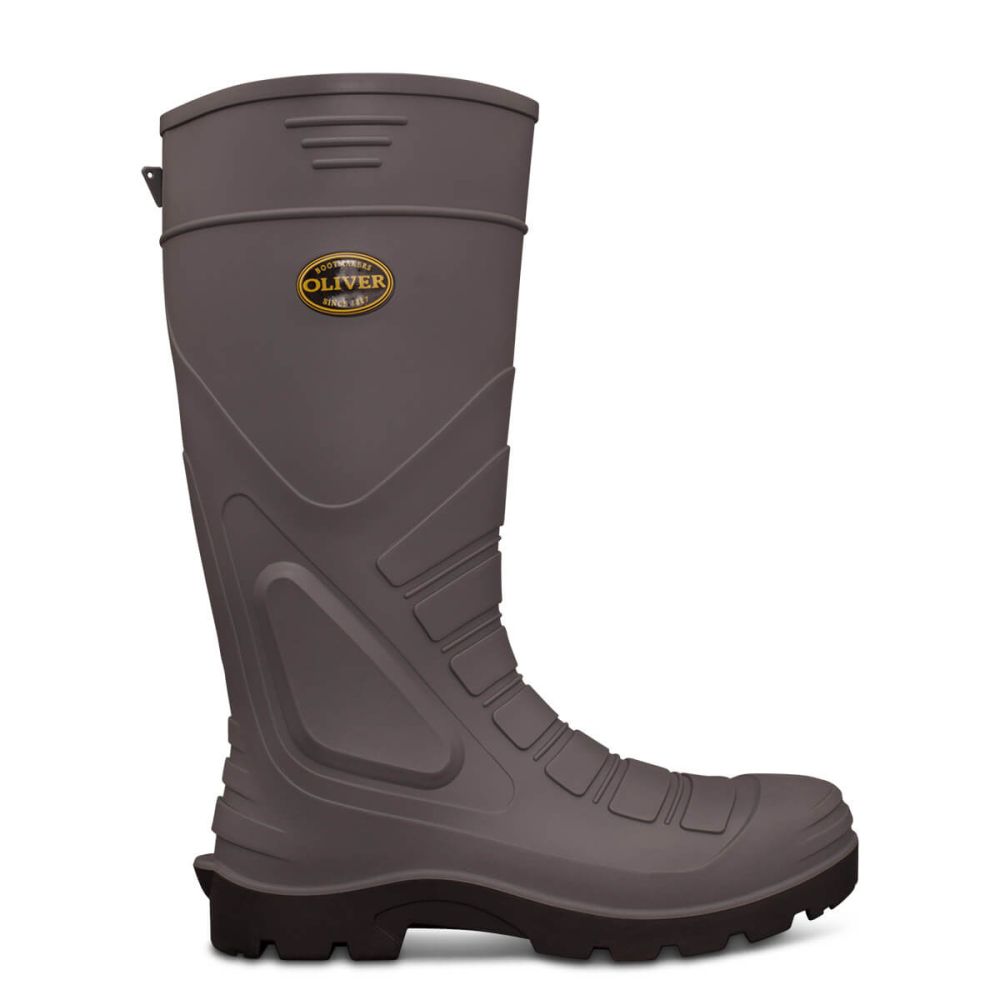
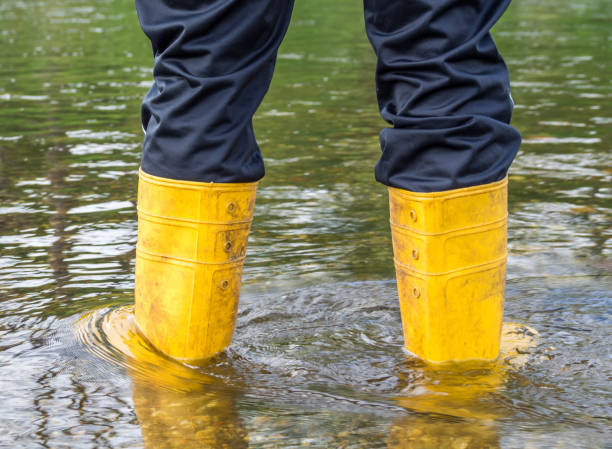
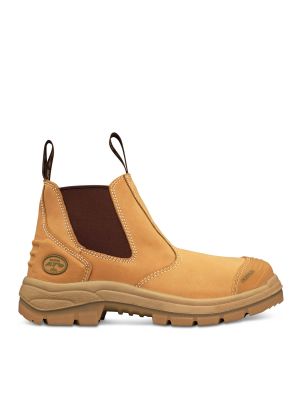
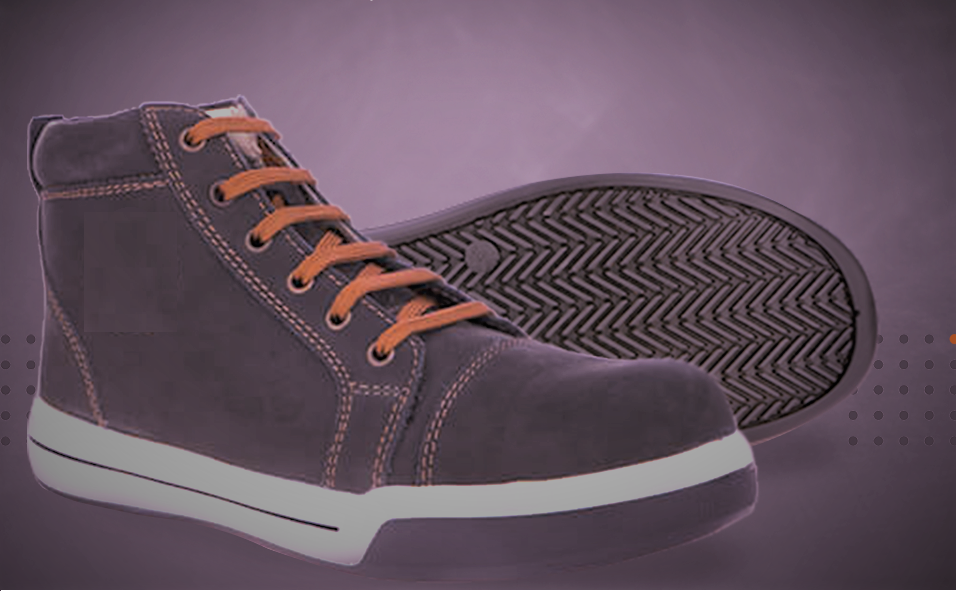
A lot of manufacturers and safety shoe suppliers in Saudi Arabia know that having the safety shoes in the hazardous workplace is imperative and as per some study, it has been shown that in the world, maximum claims of disability are due to foot injury.
A lot of people make the assumption that foot injury can be caused by the dangers in the work environment however this is not the entire case.
There are other factors as well which can take a toll on your feet as well as blisters, severe pain dropped aches, etc.
due to prolonged working hours.Most of the injuries can cause the employees to take time off from their work.
Well, a person can sustain these injuries if they do not wear safety shoes or boots at work.
Lacerations, severed toe injuries, cuts: such types of injuries can occur with people who work with hazardous machines like a chainsaw, etc.3.
