



Every step toward Beas Kund feels like walking into the heart of the Himalayas, where alpine meadows glow, glaciers whisper, and the cold breath of the mountains brushes your skin. The journey becomes even more rewarding when you understand the weather patterns that shape this high-altitude trail—something every trekker must master before beginning the adventure. As you plan your ascent, knowing how the seasons shift around Beas Manali helps you time your trek perfectly for safety, comfort, and unforgettable views.
Beas Kund Manali: How Weather Shapes the Trail Experience
The charm of Beas Kund Manali lies in how dramatically the landscape changes with the seasons. From April to June, the region opens with crisp mornings, melting snowfields, and fresh green trails stretching toward the mountains. Days are pleasantly cool, making it the ideal season for trekkers who love clear skies and stable temperatures.
Monsoon months from July to September bring unpredictable weather—misty valleys, sudden showers, and slippery paths. While the meadows turn lush and vibrant, visibility often dips, and trekking conditions become more challenging. Post-monsoon, in late September and October, the trail enters its golden phase. The skies clear up again, the winds cool, and autumn paints the terrain in shades of amber and rust, delivering the most photogenic version of Beas Kund.
Beas River Ending Point: Seasonal Flow and Trek Conditions
Near the Beas River ending point, weather plays a distinctive role in shaping your journey. During early summer, melting glaciers feed the river with steady, cold flows, creating a refreshing presence along the trail. Wooden bridges and crossings remain accessible, and the sound of the river accompanies trekkers all the way to the upper valley.
By monsoon, however, the Beas swells. Trails near riverbanks can turn muddy, and streams become more forceful, demanding careful footing. Autumn stabilises the flow again, making crossings safer and giving trekkers a clear and serene riverbed to enjoy. Planning your trek according to these seasonal river changes ensures a smoother and safer journey.
Beas Kund Trek Map: Why Weather Timing Matters
Studying a Beas Kund trek map only reveals half the story—the other half lies in knowing how weather conditions affect each checkpoint. Early-season treks around May involve patches of snow near the lake basin and at higher camps, requiring sturdy shoes, warm layers, and early starts to avoid afternoon snow-softening.
Monsoon trails demand waterproof gear and lightweight packing, as clouds move fast across the map’s open meadows. Autumn brings predictable terrain, making navigation easy, even for those new to high-altitude trekking. The map becomes significantly more useful when paired with seasonal knowledge, helping you understand not just where you’re going, but when you should go.
Beas River Valley: Climate Across Different Months
The Beas River Valley breathes differently with each season. Summer blankets the valley with sunlight, cool breezes, and blooming wildflowers. Temperatures range from 8°C to 18°C, perfect for long trekking stretches. Monsoon transforms the valley into a misty, mystical corridor, but also brings challenges like fog, wet trails, and reduced visibility.
Autumn delivers the most balanced climate—5°C to 15°C—combining crisp air with clear views of the surrounding peaks. Nights grow colder, but the stable weather makes this the prime trekking window for photographers, first-timers, and seasoned trekkers alike. Winters, beginning late October, close the valley with heavy snow and sub-zero temperatures, marking the end of the trekking season.
Beas Manali Seasons: Gear, Preparation, and Packing for the Weather
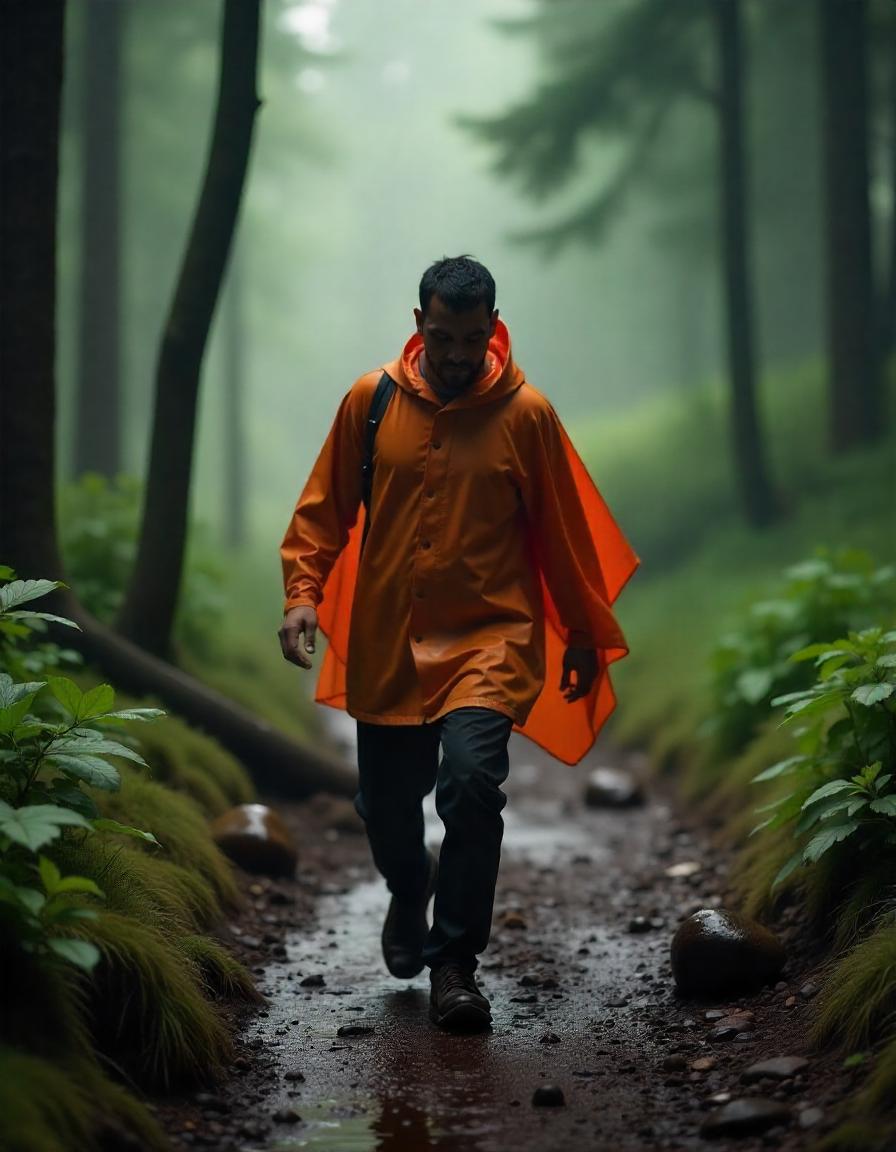
Understanding the Beas Manali seasonal changes helps you pack wisely and trek responsibly. Summer demands warm layers for mornings, light layers for afternoons, and good hiking shoes for melting snow. A poncho, quick-dry clothing, and rain covers become essential during the monsoon.
Autumn calls for thermal layers, gloves, windcheaters, and sturdy footwear to navigate colder winds and frosty mornings. Regardless of the season, keep your luggage minimal, carry water bottles for refilling, pack a flashlight, sunscreen, and the right footwear. A medical kit and physician consultation are crucial before undertaking the trek, ensuring you stay prepared for altitude and weather fluctuations.
Conclusion: Let Weather Guide You Into the Heart of the Himalayas
The Beas Kund Trek isn’t just a journey through mountains—it’s a journey through seasons, moods, and shifting skies. When you trek with an understanding of the weather, every meadow feels safer, every river crossing steadier, and every glimpse of Beas Kund more magical. Time your adventure right, align with the rhythm of the Himalayas, and the mountains will reveal their most beautiful side to you—calm, majestic, and unforgettable.





Following the setting up of the inter-ministerial task force, a number of hydro-electric , irrigation and dam projects in Indus river which were stalled due to various reasons were reviewed and work was put on fast-track.
This also has an immense strategic significance due to its proximity to border with Pakistan.
The project to be completed in 66 months will not only generate 650 MU of electricity but is also a storage type project which will improve the water availability during the lean season.
As earlier reported, the cabinet on December 6, 2018 also sanctioned Shahpurkandi Dam in Punjab to be constructed on the Ravi River.
The project which would be completed by June 2022 would potentially irrigate an additional 5,000 ha in Punjab and 32,173 ha in J and would reduce the amount of the water of the Ravi river flowing downstream to Pakistan at present.
There is also a proposal to build a barrage to distribute unutilised Ujh waters by linking the Ravi and the Beas rivers.