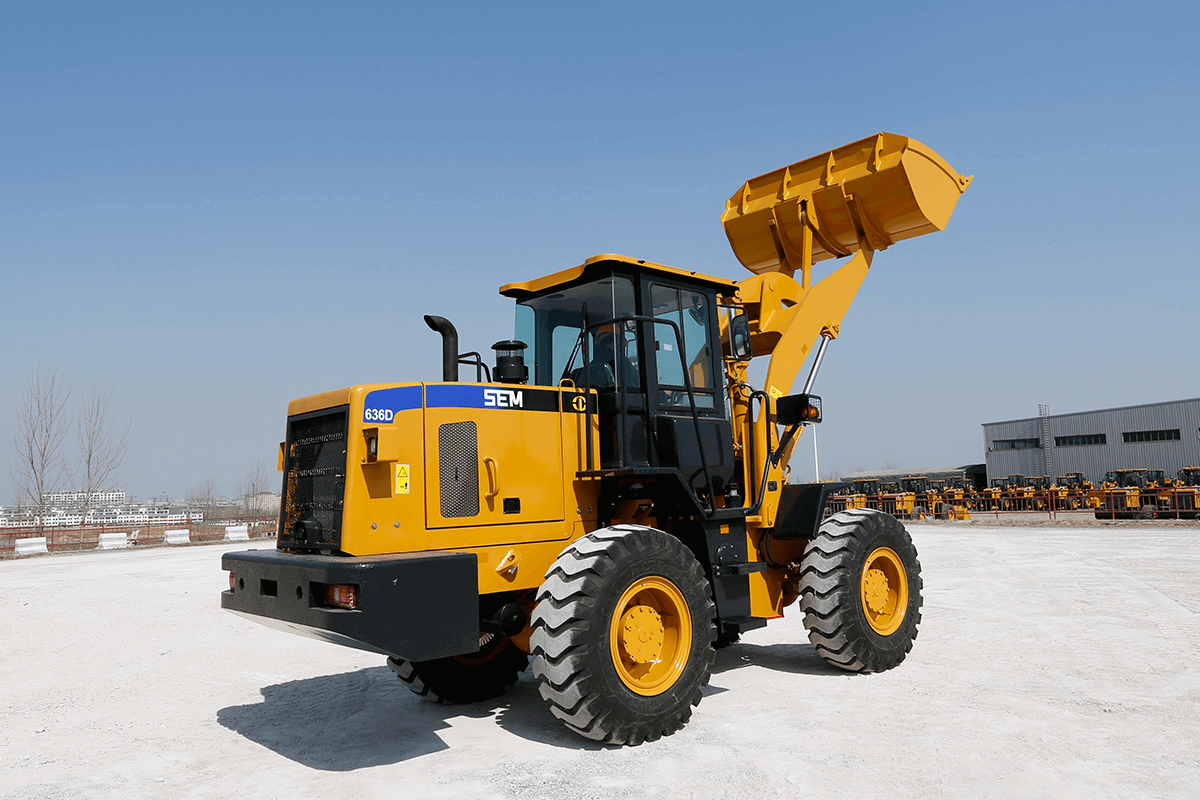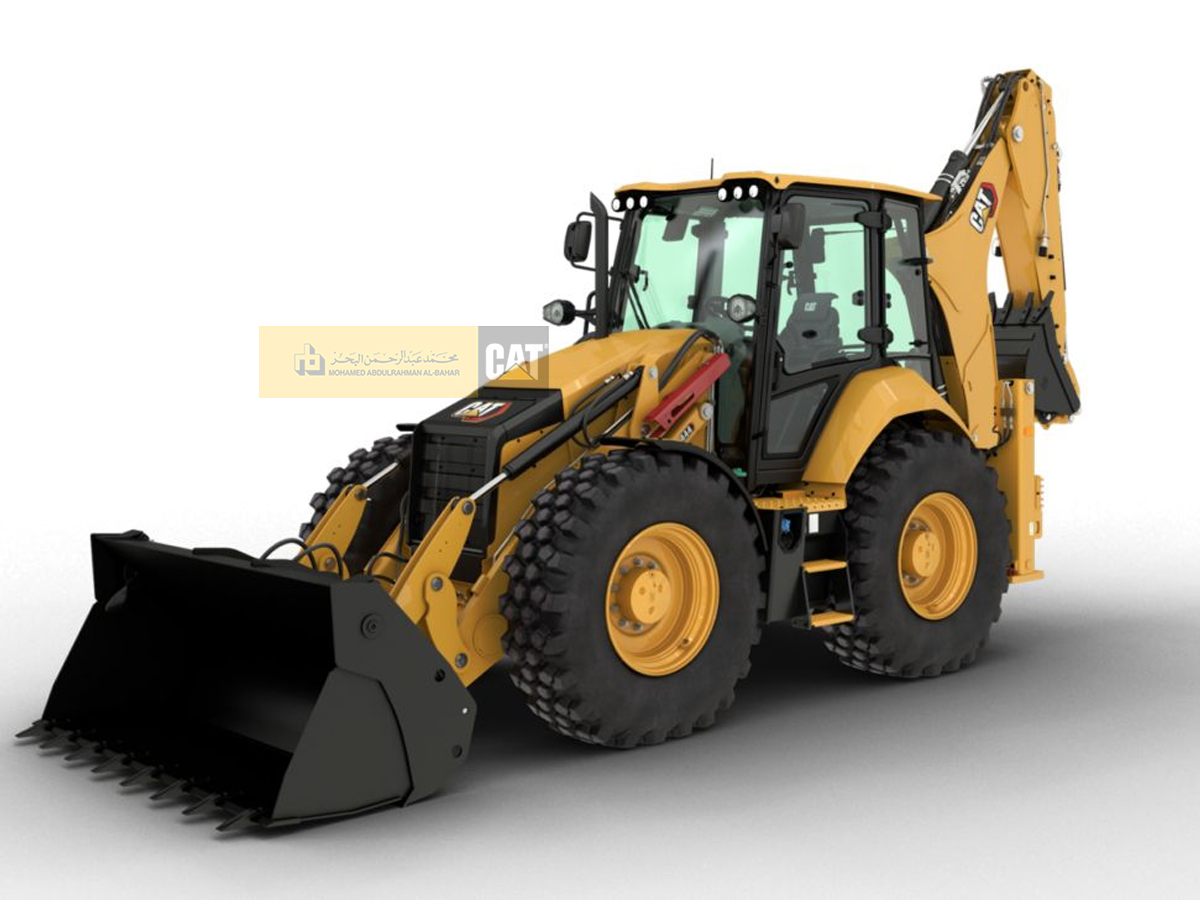


In any construction or mining project, site productivity largely depends on the machinery that you use. There are different types of machinery available. Among the most versatile and widely used machines is the front end loader, which is also known as a wheel loader. This machine is designed mainly for loading, lifting, and transporting materials like soil, gravel, and debris.
The right type of loader can significantly reduce cycle time, fuel consumption, and labor costs, while a poorly matched one can lead to inefficiencies, higher maintenance, and safety risks. Modern wheel loaders have become more hi-tech with advancements in hydraulic systems, operator comfort, and fuel-efficient engines. This has made it important to select the right model based on your project’s scope, terrain, and budget.
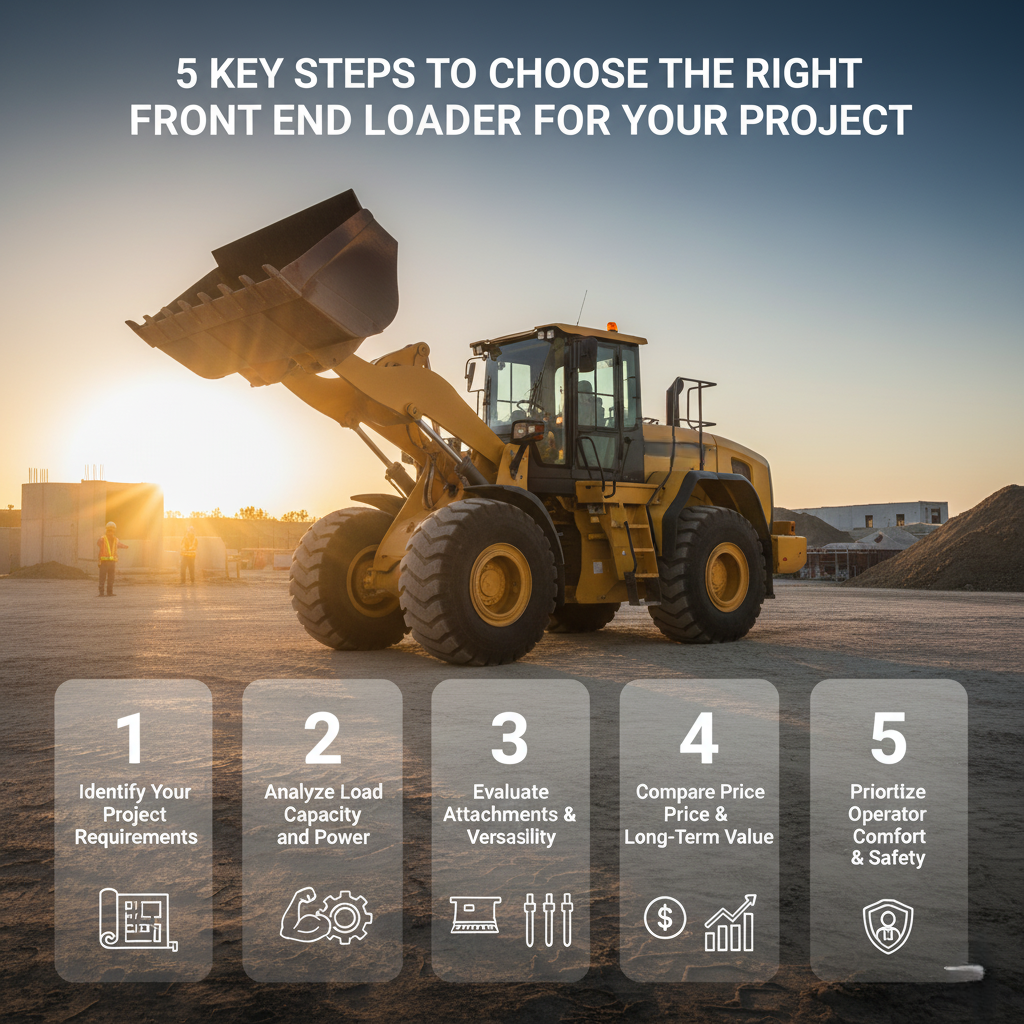
5 Things To Check Before Choosing a Front End Loader
Here are the five most important things you need to assess before you buy the most suitable front end loader for your project’s specific requirements.
1. Identify Your Project Requirements
Before comparing models or prices, you need to know what is the scope of your project. The type of material you plan to handle, the size of your site, and how frequently the loader will be used are key factors in making the right decision.
For example, compact wheel loaders are ideal for small construction or agricultural applications, while large-capacity machines are better suited for mining and heavy industrial work. So, always match your machine to your working condition to reduce any kind of wear and tear in the long run.
2. Analyze Load Capacity and Power Requirement
The capacity and power of a wheel loader determines its performance. A compact loader with a smaller bucket capacity is perfect for light-duty tasks, whereas medium-sized loaders handle general construction work efficiently.
Moreover, large loaders with higher horsepower and larger buckets, deliver exceptional output in heavy-duty environments. So it is important to balance load capacity with fuel efficiency which will help optimize both productivity and operating costs.
3. Evaluate Attachments and Versatility
Modern wheel loaders come with a variety of attachments that increase their versatility. Buckets, forks, and grapples allow one machine to perform multiple tasks, reducing the need for additional equipment. When selecting a model, choose one that supports quick attachment swapping. This helps to minimize downtime.
4. Compare Wheel Loader Price and Long-Term Value
Although the wheel loader price is an important factor, it should never be the only deciding point. A low-cost machine may seem appealing initially but could lead to higher maintenance expenses and downtime later. It’s wiser to focus on the total cost of ownership, which includes fuel economy, spare part availability, and after-sales service.
5. Prioritize Operator Comfort and Safety
Always look for loaders that have ergonomic cabins, adjustable seating, low noise levels, and wide visibility. Safety features such as ROPS/FOPS-certified cabins, rearview cameras, and anti-slip access points are now standard in quality models and should never be compromised.
Bottom Line
When you select a front end loader, make sure that it perfectly fits your project’s demands. Go through the wheel loader price offered in different CE platforms and decide wisely. A good investment made today becomes a long-term asset for every successful project.