

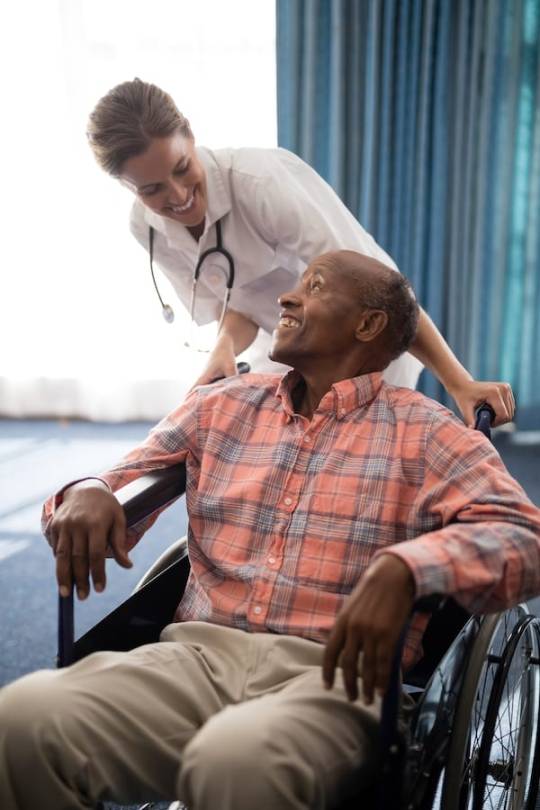
Good oral health is a vital component of overall well-being, particularly for elderly individuals living in nursing homes. Yet, dental care for the elderly in nursing homes often becomes one of the most overlooked aspects of senior healthcare. Factors such as limited mobility, chronic illnesses, and cognitive decline make it difficult for residents to visit traditional dental clinics. Poor oral hygiene can lead to pain, infections, and even systemic health issues like heart disease or pneumonia. Mobile dentists provide a practical and compassionate solution by bringing professional dental care directly to where seniors live, ensuring they receive the attention they deserve.
What Are Mobile Dental Services?
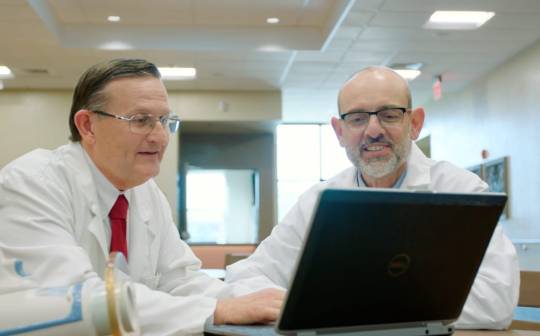
Mobile dental services are designed to deliver comprehensive oral healthcare on-site at nursing homes, aged care facilities, or assisted living centers. These mobile clinics are equipped with portable dental chairs, sterilization tools, and advanced equipment to perform a range of treatments. Dentists, hygienists, and assistants work together to offer preventive, restorative, and emergency care without residents needing to leave their facility. The convenience of this approach minimizes stress for elderly patients and ensures consistent, high-quality dental attention in a familiar environment.
Common Dental Challenges Faced by Seniors
The aging process introduces unique oral health challenges that require specialized attention.
Common dental issues include:
• Tooth Decay and Cavities: Often worsened by dry mouth and medication side effects.
• Gum Disease (Periodontitis): Caused by bacteria buildup and poor oral hygiene.
• Tooth Loss: Leading to difficulty chewing and nutritional deficiencies.
• Denture Problems: Ill-fitting dentures can cause pain, sores, and infections.
• Oral Infections: Fungal or bacterial infections become more common in immunocompromised seniors.
• Difficulty Brushing and Flossing: Reduced dexterity or cognitive decline may hinder proper hygiene.
Mobile dentists are trained to manage these specific challenges effectively, ensuring treatment is both gentle and adapted to each patient’s physical and cognitive abilities.
The Benefits of Mobile Dental Care in Nursing Homes
Bringing dental services to elderly residents provides several advantages that go beyond convenience.
Key benefits include:
• Accessibility: Eliminates the need for transportation, reducing stress and logistical challenges.
• Continuity of Care: Regular visits ensure consistent monitoring and prevention of major oral issues.
• Personalized Treatment: Dentists can collaborate with caregivers and nurses to tailor care plans based on each resident’s medical condition.
• Comfort and Familiarity: Seniors are treated in their own environment, minimizing anxiety and confusion.
• Improved Overall Health: Maintaining oral hygiene helps prevent secondary infections and supports better nutrition and speech.
• Cost Efficiency: Preventive care reduces the likelihood of expensive emergency dental procedures.
These benefits make mobile dental programs an invaluable part of elderly care and long-term health management.
How Mobile Dental Services Work
The process is designed to be smooth and accommodating for both patients and caregivers.
A typical visit includes:
• Scheduling routine check-ups in coordination with the nursing home staff.
• Setting up portable dental equipment in a designated area of the facility.
• Performing oral exams, cleanings, fillings, extractions, or denture fittings as needed.
• Providing education to caregivers on daily oral hygiene maintenance.
• Recording and updating dental health reports for continued monitoring.
This collaborative approach ensures every patient receives attentive and personalized care without disruption to their daily routines.
The Role of Caregivers and Facility Staff
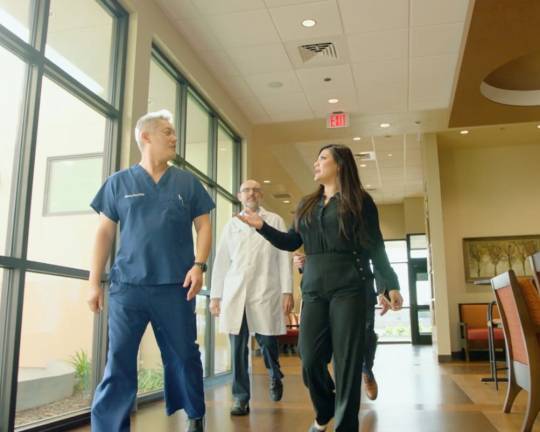
Nursing home staff play a critical role in maintaining residents’ oral health between dental visits. Caregivers are often responsible for helping seniors brush, rinse, or manage dentures daily. Mobile dentists frequently train caregivers on proper oral care techniques, use of appropriate dental products, and signs of potential dental issues. This partnership between dental professionals and caregivers ensures that oral hygiene remains a consistent part of elderly care.
Final Thoughts
Mobile dentists have revolutionized dental care for the elderly in nursing homes. By removing barriers to mobility and accessibility, these services ensure that every senior receives compassionate, professional oral care right where they live.