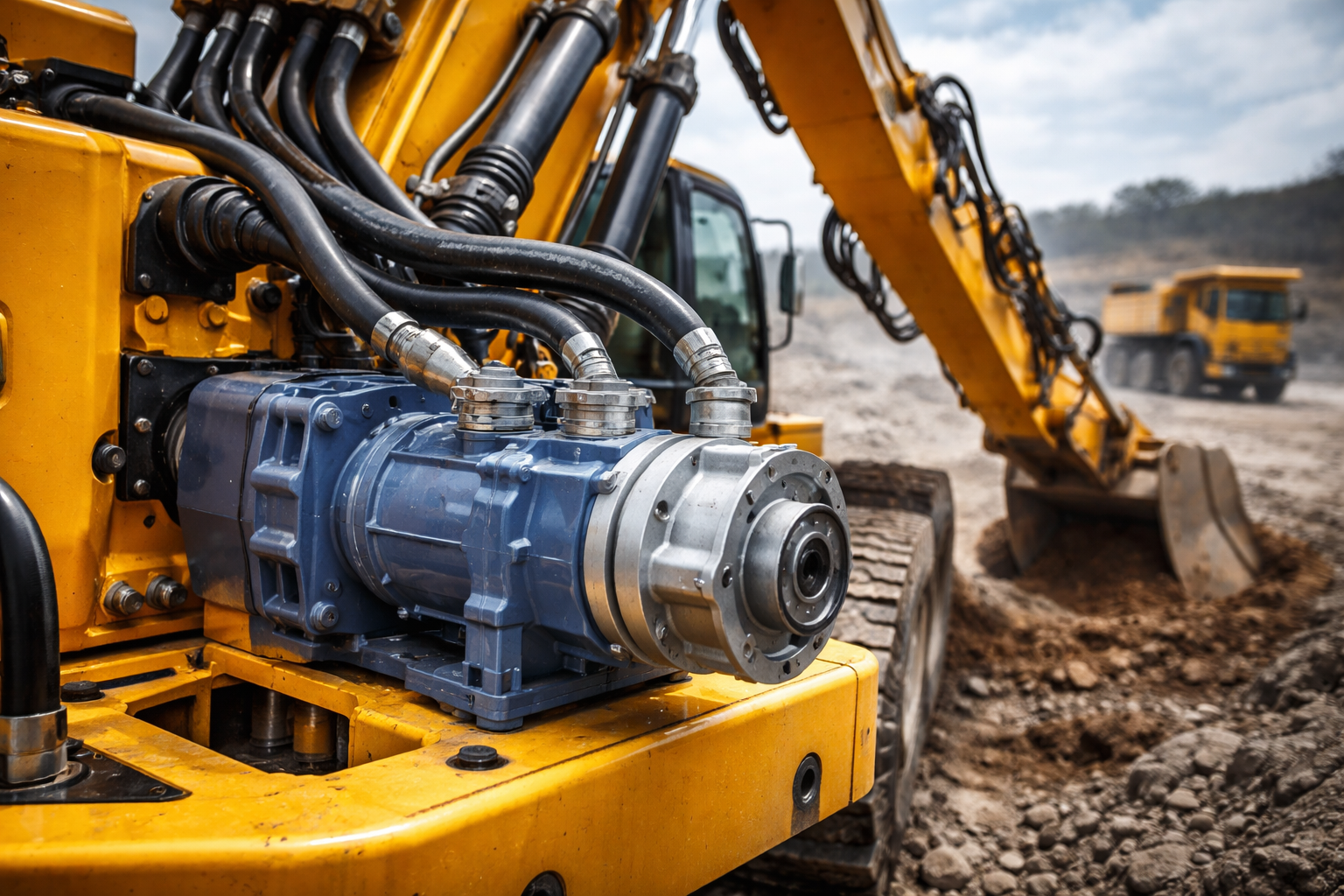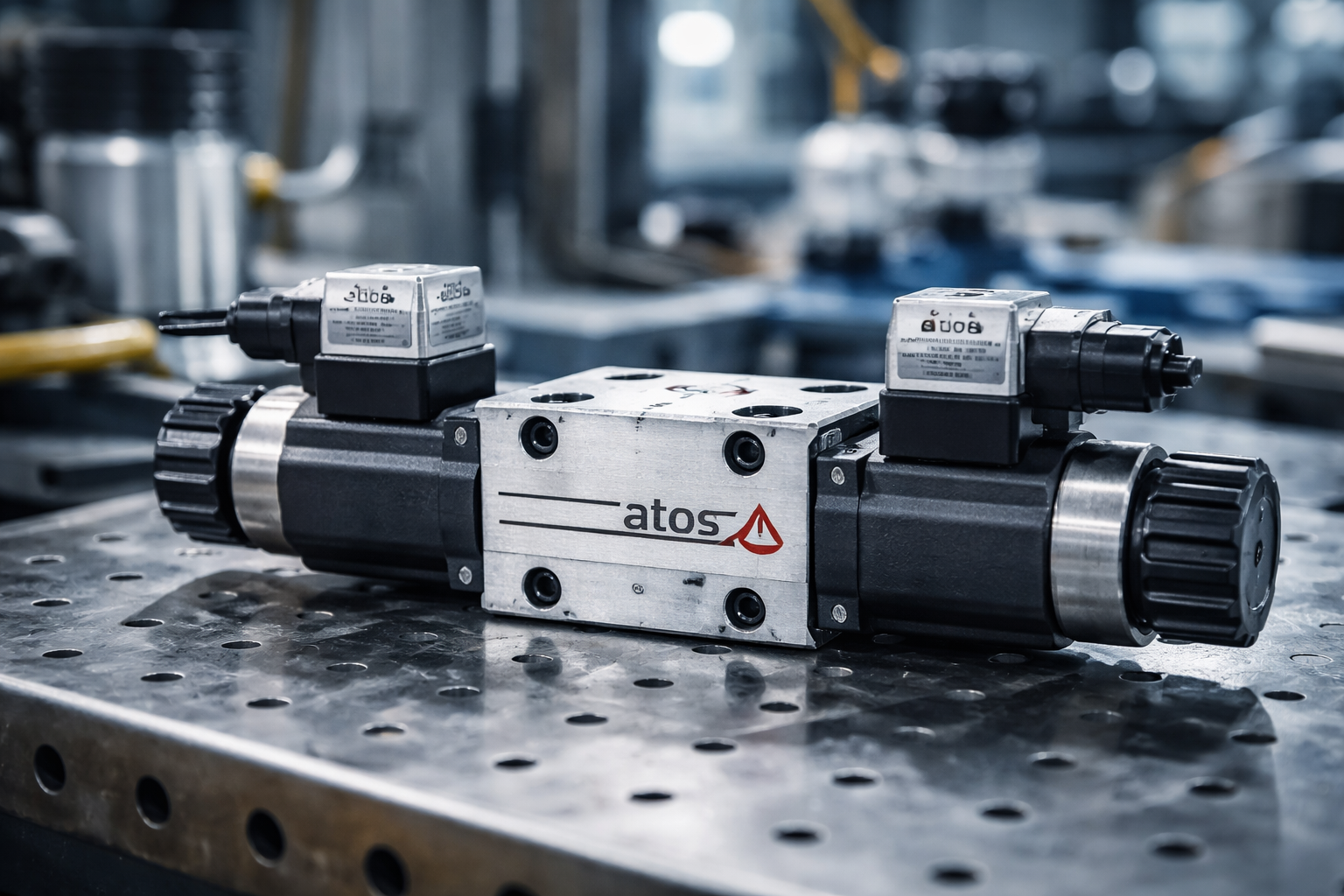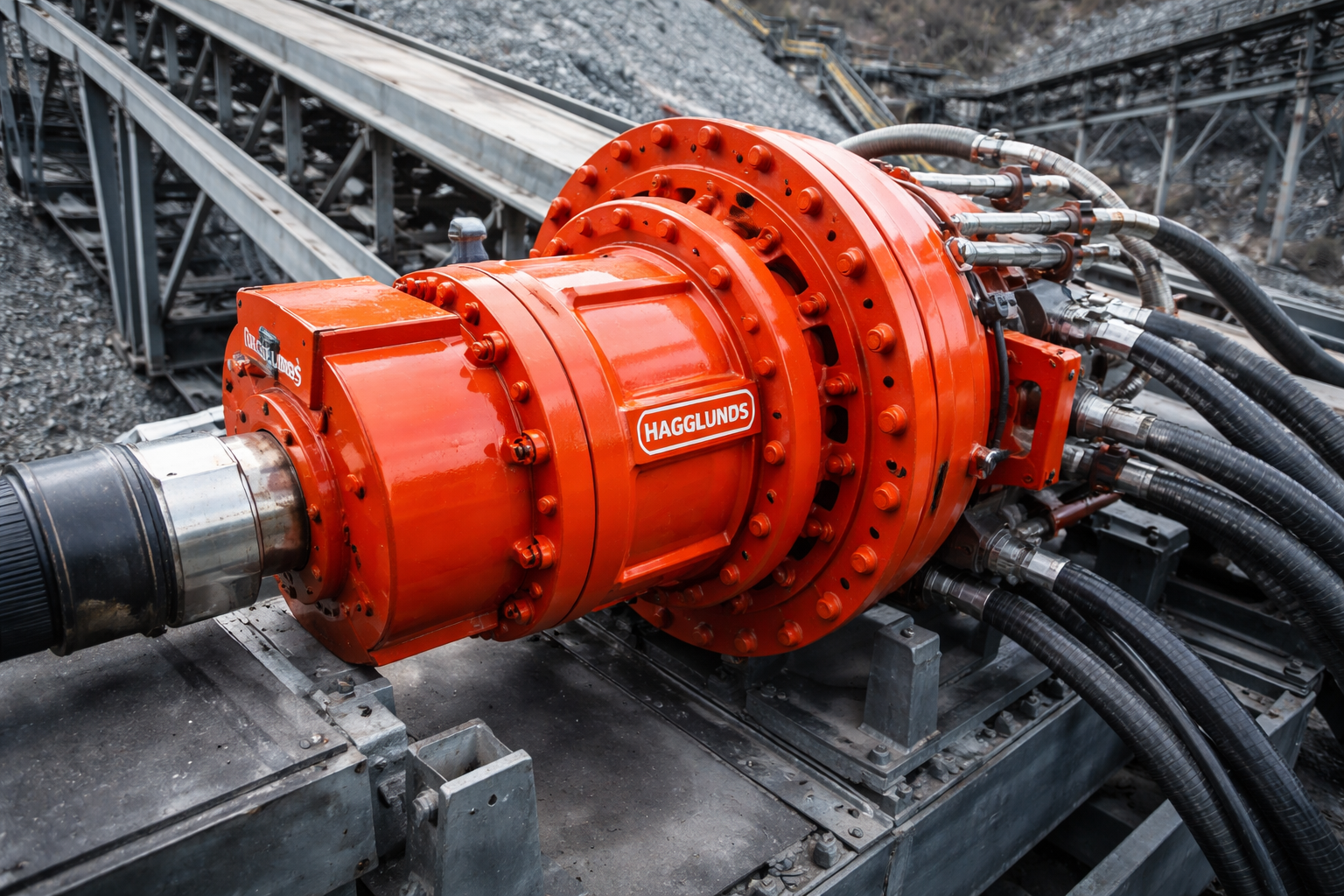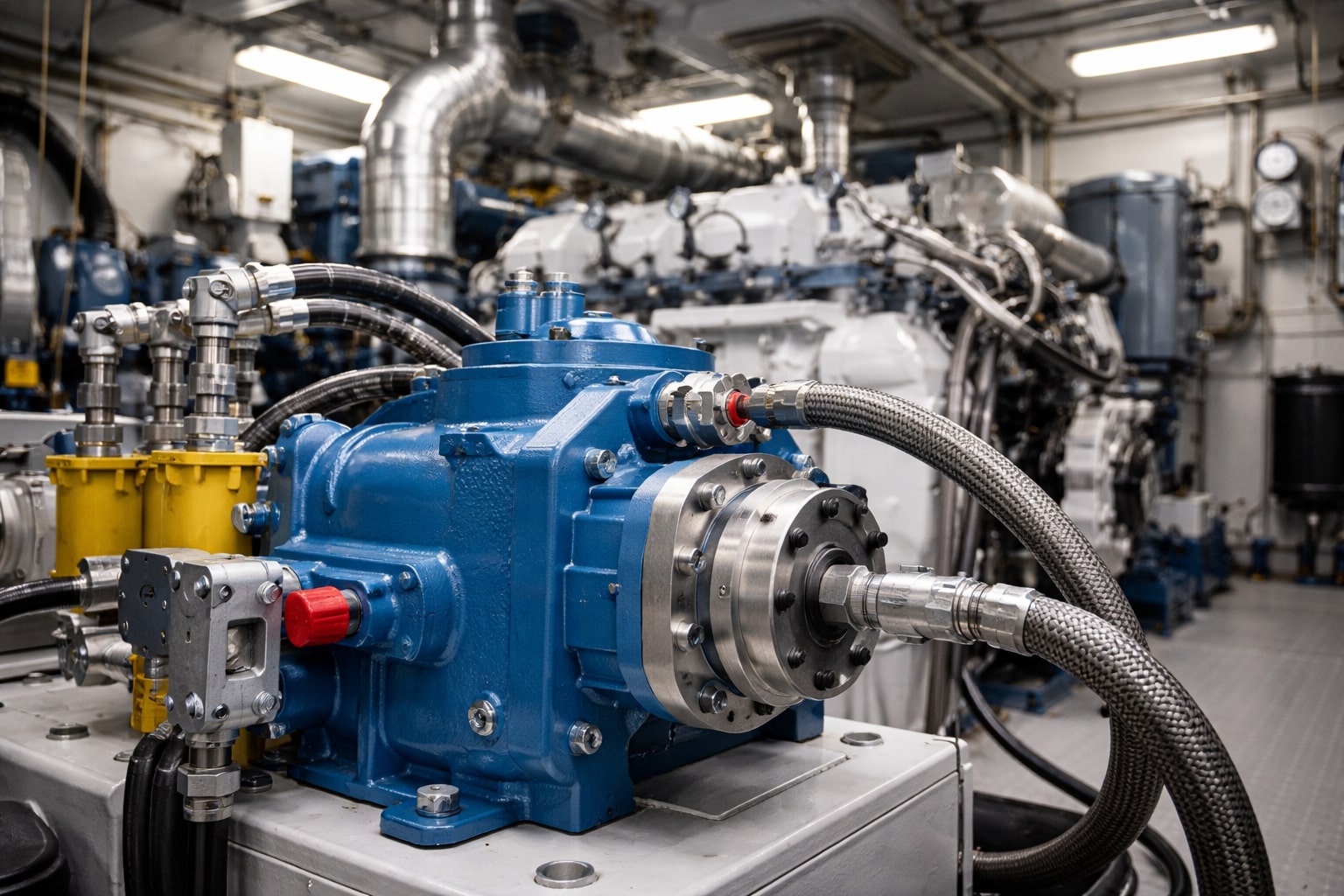


Hydraulic systems are basically the energy sources for a large number of industrial, mobile, and manufacturing processes. The list of such systems includes construction machinery and material-handling equipment as well as factory automation and marine applications. In all these cases, the performance of the hydraulic pump is the main factor through which one can tell how reliably the entire system will perform. When pump efficiency drops, the whole chain of things, from energy consumption to equipment safety, gets impacted.
As such, hydraulic pump efficiency is not just another engineering parameter of a system but rather a vital element that influences the system output, operating costs and equipment lifespan.
Understanding Hydraulic Pump Efficiency
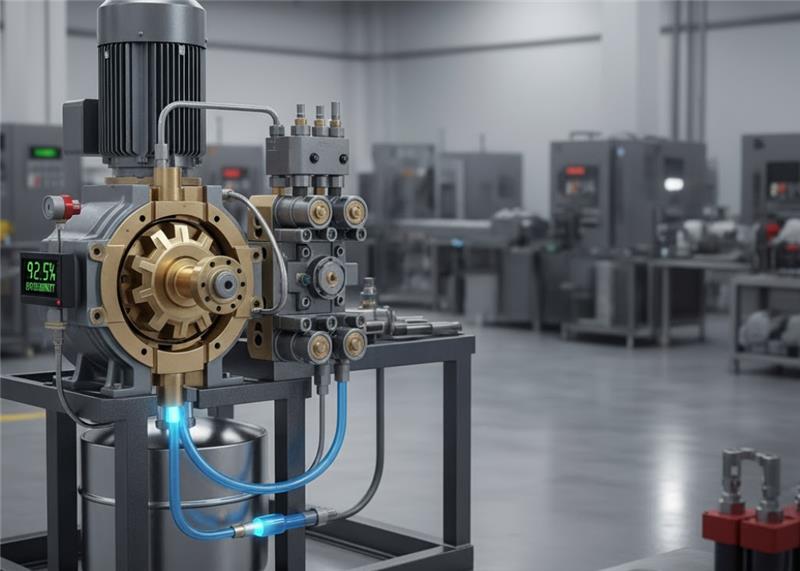
A hydraulic pump through fluid flow under pressure converts mechanical energy into hydraulic energy. The efficiency of the hydraulic pump is the main way it determines the effectiveness of the pump in delivering the required flow without incurring unnecessary losses. These are the two main metrics that describe this process:
Volumetric Efficiency
How much the pump can deliver the expected fluid output.
Mechanical Efficiency
The ratio of input power to output hydraulic power.
When these two parameters are kept at their maximum, the components in a hydraulic system will have less heat to deal with because of the system’s stable pressure and the smoothness of the fluid flow. As a result, the whole system is able to perform at the same level even under heavy loads.
How Inefficient Pumps Harm Hydraulic Systems
When a pump does not work properly, it causes a system-wide reaction within the hydraulic circuit. Several problems that are difficult to notice and judge arise:
1. Increased Energy Consumption
Without efficient hydraulic pumps, the motors and engines driving the systems are pushed beyond their limits. Consequently, there is an increase in the consumption of electric power or diesel of the drive engine, which is the major cause of the overall increase of the operational expenditures in the field of fluid-power equipment.
2. Excessive Heat Generation
After the increase of the internal bypass or the mechanical wear in the pump, the pump generates heat that is responsible for the seal, hose, and valve stresses. The heat speeds up the oil breakdown and shortens the lifespan of hydraulic components.
3. Pressure Instability
Reduction in volumetric efficiency causes pressure levels to reflect. In this way the precision of cylinders, actuators, and servo-controlled mechanisms is affected, which leads to the decrease of production quality and reliability of performance.
4. Frequent Component Failures
For example, cavitation, contamination, and internal leakage resulting from inefficient pumps are the most common sources of early failure issues in a system and thus lead to a forced stop and high downtime costs.
Why Pump Efficiency Matters for Productivity
The operational efficiency of a system mainly depends on whether the flow and pressure are steady or not. A hydraulic pump with high efficiency:
- Provides a continuous power supply to cylinders and motors
- Improves the system responsiveness of automation and lifting processes
- Enables seamless handling of the load
- Through the reduction of the auxiliary components' work
- Accurate motion control in precision machinery is maintained
The whole enterprise is turned productive when the time for work stoppages is kept low and the performance remains unchanged.
Cost Benefits of Maintaining Pump Efficiency
The act of keeping hydraulic pumps in good health is not merely a technical requirement, but rather a strategic move aimed at saving costs. A collective of industrial sectors derive the following benefits:
- Having less maintenance charges as a result of reduced wear and tear
- Longer equipment life span
- Lower energy costs resulting from reduced power losses
- Better oil life due to less heat generation
- Reduction in the risk of equipment failure
Over a long period of time, it is far more cost-effective to maintain a high level of pump efficiency than to replace a broken pump or repair damaged hydraulic components.
How to Improve Hydraulic Pump Efficiency
The following are some of the best practices that can not only preserve but also elevate the efficiency of a pump:
- Take only clean and high-grade hydraulic oil
- Ensure proper filtration to prevent contamination
- Regularly inspect your pump for wear and leaks
- Keep track of changes in temperature and pressure
- Get rid of worn parts such as seals and bearings before they break
- Use pumps that are the right size for the job
- Make sure your suction lines are clear of any restrictions
Without interruption in performing regular checks and preventive maintenance, the stable performance of the pump would not be guaranteed.
Final Thoughts
Without minimizing the role of the hydraulic pump in the system, which is saving energy and providing reliability in the long run, we should mention that by giving a priority to the maintenance of the pump, optimizing the quality of oil and keeping an eye on flow and pressure, the companies can have a dependable hydraulic power supply and at the same time keep away from unnecessary expenditures. An efficient hydraulic pump helps in the smooth running of the processes, creates safe working conditions, and ensures a higher output, thus making it one of the most valuable assets in any fluid-power system.