A Complete Step-by-Step Process Explained
For thousands of skilled workers in Canada, the ultimate goal after securing a work permit is obtaining Permanent Residency (PR). Canada offers multiple pathways that allow foreign workers to transition from temporary status to permanent residents. If you are currently working in Canada or planning to apply soon, this guide will help you understand exactly how to apply for PR after a work permit in Canada.
At Helpoverseas Immigration, we have assisted hundreds of clients in successfully converting their Canadian work experience into a strong PR application. Here is the most updated, easy-to-understand, and fully SEO-optimized guide for 2025.
________________________________________
Why Canadian Work Experience Helps You Get PR Faster?
Having Canadian work experience significantly boosts your chances of receiving PR because:
• You get extra CRS points under Express Entry
• Canadian experience is highly valued in the job market
• You become eligible for exclusive programs like CEC (Canadian Experience Class)
• Many PNPs (Provincial Nominee Programs) prefer applicants with local experience
• Your employer may support your PR through a pathway
This is why many applicants secure a work permit first and then switch to PR—something Helpoverseas Immigration strongly recommends for faster success.
________________________________________
1. Check Your Eligibility for PR Programs
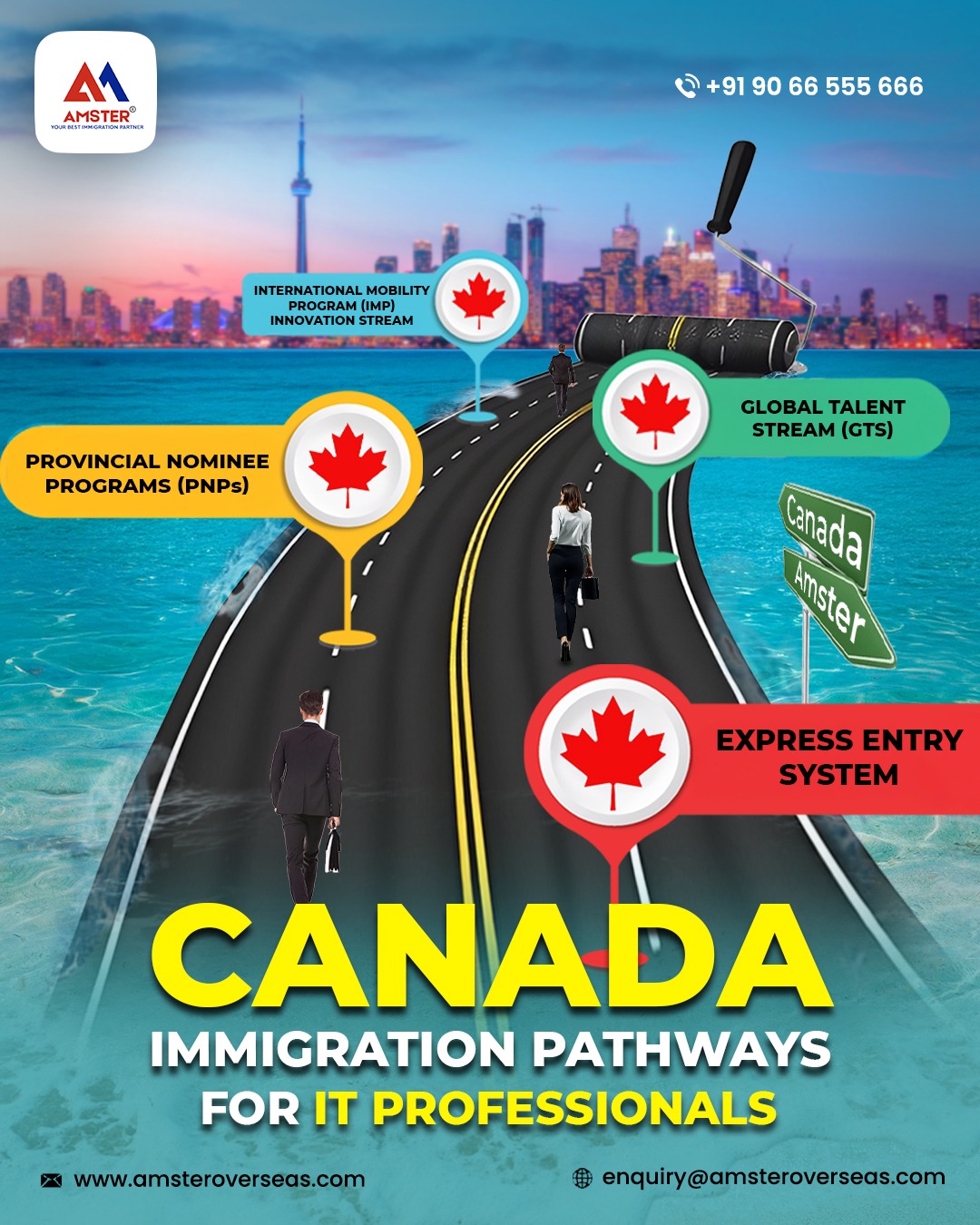
There are four major PR pathways after a work permit:
A. Express Entry – Canadian Experience Class (CEC)
If you have 1 year of skilled Canadian work experience, CEC is the fastest route.
Requirements include:
• NOC 0, 1, 2, or 3 job
• At least 12 months of full-time Canadian experience
• English/French test (IELTS/CELPIP/TEF)
• No minimum proof of funds if working in Canada
This is the most preferred pathway for work permit holders.
________________________________________
B. Express Entry – Federal Skilled Worker (FSW)
If you have skilled experience (inside or outside Canada), you may apply under FSW.
Requirements:
• Minimum 67/100 points in eligibility test
• IELTS score meeting CLB 7
• Proof of funds
• Skilled work experience (1+ years)
________________________________________
C. Provincial Nominee Programs (PNP)
Many provinces offer special PR streams for workers already in their province.
Popular programs:
• OINP – Ontario Immigrant Nominee Program
• BC PNP
• Alberta AAIP
• Saskatchewan SINP
• Manitoba MPNP
Advantages:
• Lower CRS score requirements
• Additional 600 CRS points if nominated
• Faster selection for in-demand occupations
• High acceptance rate
Helpoverseas Immigration often recommends PNPs for applicants who have low CRS scores.
________________________________________
D. PR Through Employer Support (LMIA-Based Work)
If your employer is ready to support your PR through:
• LMIA Supported PR
• Employer-driven PNP streams
• Job-offer based PR categories
You can get priority in provincial or federal programs.
________________________________________
2. Prepare Key Documents Before Applying for PR
To apply for PR after a work permit, keep these documents ready:
• Passport
• Current work permit
• Job offer letter
• Experience letter from employer
• T4 slips and Pay Stubs
• IELTS/CELPIP test results
• Educational Credential Assessment (ECA)
• Police Clearance Certificate
• Medical Examination Report
• Proof of Funds (if required)
Helpoverseas Immigration helps clients prepare all documents to avoid delays.
________________________________________
3. Create an Express Entry Profile
Here’s what you’ll need to do:
1. Visit IRCC’s official website
2. Create a GCKey account
3. Fill in personal details
4. Add your work experience, education, and language scores
5. Submit your Express Entry profile
Once submitted, you will receive a CRS score and enter the pool.
________________________________________
4. Improve Your CRS Score (If needed)
If your CRS score is low, you can improve it by:
• Re-taking IELTS for higher scores
• Getting a sibling additional score
• Applying for a provincial nomination
• Gaining more Canadian work experience
• Completing a certification or short-term Canadian course
• Requesting your employer for LMIA-supported points
Most work permit holders qualify faster through PNPs, and Helpoverseas Immigration actively assists clients in choosing the best provincial pathway.
________________________________________
5. Receive an Invitation to Apply (ITA)
Once you meet the required CRS cutoff or receive a PNP nomination, you will get an ITA (Invitation to Apply).
After receiving an ITA, you have 60 days to submit all your PR documents.
________________________________________
6. Submit Your PR Application Online
After receiving the ITA:
1. Upload all required documents
2. Pay the PR application fee
3. Upload biometrics
4. Submit medical test
5. Wait for IRCC’s decision
Average processing time:
• CEC: 4–6 months
• FSW: 6–10 months
• PNP: 9–12 months
________________________________________
7. Wait for Confirmation of Permanent Residence (COPR)
If your application is approved, you will receive:
• COPR (Confirmation of Permanent Residence)
• PR Visa (if outside Canada)
• PR Card delivered after landing
Congratulations—you are now a Permanent Resident of Canada!
________________________________________
How Helpoverseas Immigration Helps You Get PR Faster?
Helpoverseas Immigration provides:
• CRS score assessment
• Work permit to PR strategy
• Province-wise PR guidance
• Document preparation
• Job-offer based pathways
• Full Express Entry profile creation
• IELTS guidance
• End-to-end PR application handling
Most importantly, we help you choose the fastest and safest PR route based on your work experience.
________________________________________
Applying for Permanent Residency in Canada after a work permit is one of the easiest and most secure pathways if you follow the right steps. Canadian experience gives you a massive advantage—whether through Express Entry, CEC, PNP, or employer-driven pathways.
If you want expert guidance and a successful PR conversion, Helpoverseas Immigration can help you every step of the way.