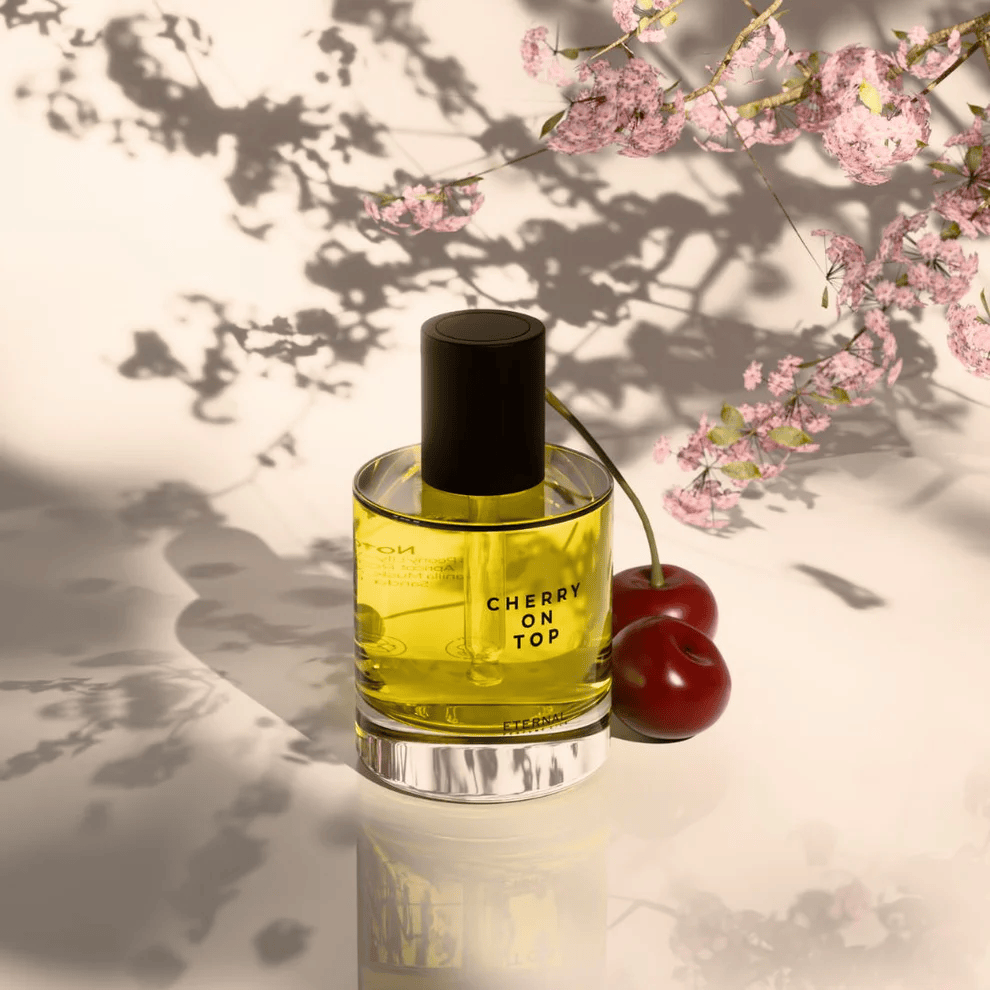
Introduction:
In the grand, olfactory cathedral of luxury perfumery, certain ingredients have long held the throne. The regal rose, the enigmatic oud, the earthy patchouli, and the sensual musk are the pillars upon which countless iconic fragrances have been built. For decades, they have defined what it means to smell "expensive." But walk through the scent-filled halls of a modern perfumery today, and you'll notice a delightful shift. A new, vibrant energy is pulsing through these classic compositions—a juicy, sun-kissed, and irresistibly modern whisper: the power of fruity accents.
Gone are the days when fruit in perfume was synonymous with simplistic, sugary adolescent body splashes. Today, the cherry on top is not just a garnish; it is a sophisticated tool in the perfumer's palette, a strategic stroke of genius that can transform a classic fragrance into a contemporary masterpiece. This is the story of how fruity notes are being reimagined, lending their vibrant soul to create luxury perfumes that are complex, evocative, and utterly captivating.
From Ornament to Origin: The Evolution of Fruit in Perfumery
To understand the current renaissance of fruity notes, we must first glance back. Historically, extracting the true essence of most fruits was a near-impossible task for perfumers. While citrus oils could be cold-pressed from rinds and certain berries could be tinctured, the delicate juice of a peach, the succulent flesh of a plum, or the dark richness of a cherry remained elusive. This led to their initial role as supporting actors, often created through early synthetic aromachemicals or subtle botanical infusions, designed to add a touch of lightness or sweetness to a primarily floral or woody bouquet.
The game changed with the advent of advanced chemical analysis and synthesis in the 20th and 21st centuries. Molecules like Aldehyde C-14 (Gamma-Undecalactone) gave us the unmistakable scent of peach, while Lactones provided creamy, coconut-like undertones. The breakthrough for one of today's most sought-after notes—cherry—came from molecules like Benzaldehyde (which also smells of almond) and more complex captive molecules that perfumers use to create a spectrum from black cherry kirsch to tart, fresh Montmorency.
This technological leap liberated the fruit. It was no longer just a hint in the background; it could now be the star, the central theme around which a luxury narrative could be woven. The fruit had moved from the ornament on the cake to the very heart of the recipe.
The Psychological Allure: Why We Crave the Juice
Our attraction to fruity scents is primal and deeply psychological. On a fundamental level, ripe, juicy fruits signal nourishment, vitality, and the sweetness of life. They are associated with health, energy, and abundance. When we smell a realistic, high-quality fruity note in a perfume, it triggers these positive associations, creating an immediate, often unconscious, feeling of optimism and well-being.
Furthermore, fruity accents are inherently playful and youthful. They inject a dose of spontaneity and joy into a fragrance. A dark, brooding leather scent can be instantly softened and made more wearable with a touch of plum. A stark, minimalist musk can be given a heartbeat with the addition of a crisp apple note. This juxtaposition is where the modern magic happens. The fruit becomes the "human" element in an otherwise "divine" or abstract composition, making the scent feel more personal, relatable, and alive on the skin.
A Tour of the Orchard: Deconstructing Key Fruity Accents
Not all fruity notes are created equal. In the hands of a skilled perfumer, each fruit brings a unique personality and function to a fragrance.
1. The Dark Seductress: Cherry
Cherry is the current "it" girl of the fruity world, and for good reason. At its best, a cherry note is a complex paradox. It can be deeply sweet and liqueur-like, evoking the sophistication of a Black Forest gateau, yet it possesses a subtle bitter, almondic edge that keeps it from being cloying. In modern luxury scents, cherry is often paired with saffron, tobacco, or suede, creating a fragrance that is at once gourmand, spicy, and leathery. It adds a touch of audacious, almost gothic romance, a far cry from the candy-like cherry of the past.
2. The Sun-Drenched Muse: Peach and Apricot
Peach and apricot are the comforters of the perfume world. Their scent is built on lactones, which give them a soft, creamy, and almost fuzzy texture—a direct olfactory translation of their velvety skin. In a perfume, a peach note provides a radiant, sun-warmed glow. It blends seamlessly with florals like osmanthus (which naturally has a apricot-leather facet), tuberose, and rose, adding a succulent ripeness that makes the flowers smell more lush and honeyed. It’s a note of gentle sensuality and nostalgic warmth.
3. The Sophisticated Spark: Bergamot and Citrus
While often categorized separately, citrus is, botanically, a fruit, and bergamot is its king in perfumery. No other note is as masterful at providing that crucial "top note" sparkle. The zesty, slightly bitter, and aromatic greenness of bergamot is the hook that draws you into countless classic and modern fragrances, from eau de colognes to bold orientals. It’s the effervescent champagne of the perfume world, lifting the entire composition and providing an initial burst of energy and clarity before gracefully bowing out.
4. The Tropical Enigma: Fig
Fig is a masterclass in complexity. A well-rendered fig note is not just about the fruit's gentle, coconut-like sweetness. It captures the entire tree: the sappy, green bitterness of the leaf (often recreated through stemone molecules), the creamy, woody aspect of the bark, and the milky, succulent flesh of the fruit itself. This makes fig a fantastic bridge between green, woody, and gourmand families. It adds an intellectual, almost pastoral quality to a perfume, evoking images of sun-drenched Mediterranean gardens.
5. The Bold Modernist: Blackcurrant and Cassis
Blackcurrant, particularly through the use of the molecule Methyl Octine Carbonate in the form of "cassis bud," brings a startlingly bold character. It’s intensely fruity, but with a sharp, catty, and almost sulfurous edge. This might sound unappealing, but in micro-doses, it acts as a powerful catalyst. It can make floral bouquets smell more vibrant and dewy, as if the flowers are still wet with morning rain. It’s a note for the fearless, adding a cutting-edge, modern twist to classic structures.
The Art of the Accent: Balance is Everything
The true power of these fruity notes in luxury perfumery lies in their use as an accent, not a crutch. The difference between a cheap, synthetic fruit scent and a luxurious one is nuance and balance.
A master perfumer doesn't just douse a formula in cherry syrup. They use the cherry to accentuate the rose, to create a intriguing friction with the smoky leather, or to add a touch of unexpected sweetness to a dry vetiver. The fruit is a supporting player that makes the lead actors—the woods, the florals, the ambers—shine even brighter. It’s the highlight in the hair, the perfect accessory on a little black dress, the cherry on top of a perfectly crafted sundae. It’s the detail that signals thought, creativity, and artistry.
Capturing the Essence: The Philosophy of Eternal Perfume Oils
In the pursuit of capturing this sophisticated, accent-driven artistry, the source of one's fragrance becomes paramount. This is where a dedication to quality and composition truly shines. For those who appreciate the nuanced role of fruity top notes within a complex fragrance pyramid, finding a supplier that respects this balance is key.
Companies like Eternal Perfume Oils understand this delicate dance. Their approach focuses on capturing the soul of iconic and original fragrances, including those where a fruity accent plays a pivotal role. By concentrating on high-quality perfume oils, they aim to deliver the full spectrum of the scent's evolution—from the bright, fruity top notes that create the first impression to the deep, resonant base notes that define its lasting memory. For the fragrance enthusiast looking to explore how a vibrant cherry or a creamy peach can intertwine with sandalwood or amber, exploring a curated collection such as the one offered by Eternal Perfume Oils can be a fascinating journey into the power of these carefully balanced compositions. You can explore their interpretations at https://eternalperfumeoils.com/.
Conclusion:
The journey of fruity notes in perfume is one of elevation and transformation. They have shed their simplistic past to become powerful instruments of emotion and complexity in the hands of modern perfumers. No longer just a symbol of naive sweetness, the judicious use of cherry, peach, fig, and their kin represents a more nuanced, joyful, and human approach to luxury. They remind us that sophistication does not have to be solemn, and that depth can be found in delight. The next time you spritz on a fragrance that begins with a burst of juicy darkness or a glow of creamy warmth, take a moment to appreciate the "cherry on top"—the small, powerful detail that completes the picture and makes the experience truly unforgettable.
FAQs:
1. Aren't fruity perfumes too sweet and youthful for a sophisticated signature scent?
Not anymore. While some fruity scents are designed for a younger audience, modern luxury perfumery uses fruity notes as complex accents. A tart blackcurrant bud or a bitter-edged cherry can add intriguing contrast to woody, leathery, or smoky bases, creating a scent that is both sophisticated and unexpectedly vibrant, perfect for any age.
2. What is the best way to make a fruity-forward perfume last longer on my skin?
Fruity top notes are naturally volatile and evaporate first. To enhance longevity, apply your perfume to well-moisturized skin (use an unscented lotion or a matching scented oil as a base layer). Focus on pulse points—wrists, inside elbows, behind ears—as the warmth helps to diffuse the scent more slowly, allowing the fruity top notes to transition gracefully into the heart and base notes.
3. I love the smell of cherry, but don't want to smell like candy. What should I look for?
Seek out fragrances that pair cherry with darker, drier, or spicier elements. Look for notes like tobacco, saffron, suede, leather, oud, or patchouli in the fragrance description. These combinations temper the sweetness of the cherry and bring out its more sophisticated, liqueur-like and aromatic qualities, avoiding a juvenile candy effect.
4. Can fruity notes be considered unisex?
Absolutely. The perception of fruit as "feminine" is an outdated stereotype. Notes like bergamot are staples in classic men's colognes. Fig, with its green and woody facets, is a beloved unisex note. The dark, boozy cherry in many modern fragrances is widely worn by all genders. Scent has no gender; it's about how the composition makes you feel.
5. How do perfume oils, like those from Eternal Perfume Oils, handle fruity top notes compared to alcohol-based perfumes?
Perfume oils can sometimes present top notes in a slightly softer, less diffusive but often more nuanced way than their alcohol-based counterparts. The fruit might feel more like an integrated part of the scent from the first application, rather than a sharp, fleeting burst. This can offer a different experience of the fragrance's evolution, sometimes allowing the subtle, creamy, or bitter facets of the fruit to be more appreciable from the start.