


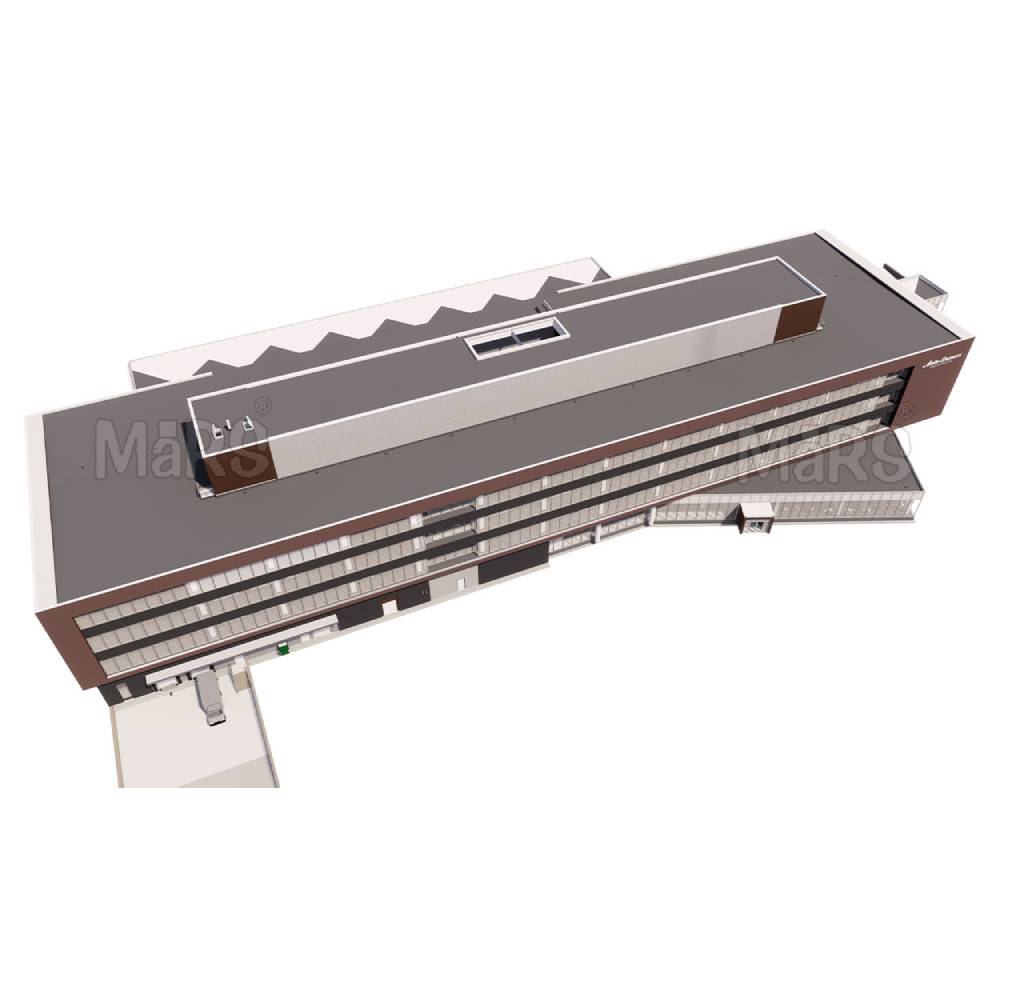
Modern architecture has changed rapidly over the last few years. Buildings are more advanced, clients expect faster results, and projects require higher accuracy. Traditional 2D drafting cannot support this level of complexity anymore. This is why the entire architecture industry has shifted toward BIM-based workflows. Building Information Modeling (BIM) allows architects to work with intelligent 3D models, real-time data, and coordinated systems, making the design process more accurate, efficient, and collaborative. Today, BIM is not just a tool—it is the foundation of modern architectural design.
BIM Improves Design Accuracy from Day One
One of the biggest reasons modern architects rely on BIM is its ability to improve design accuracy. BIM uses data-rich 3D building components instead of manual 2D lines. Every wall, door, window, and building element comes with real dimensions, material information, and technical properties. This reduces the chances of drafting errors and gives architects more control over their designs. BIM also uses parametric modeling, which means that any change made to the model instantly updates across all plans, sections, elevations, and schedules. This removes inconsistencies and ensures that every drawing remains accurate throughout the project.
BIM Speeds Up Design Development
Speed is another major requirement in today’s architectural industry. BIM-based workflows help architects develop designs much faster than traditional methods. BIM allows quick creation of concept models, massing studies, and space planning options. Architects can test different design ideas in real time without redrawing everything from the beginning. BIM tools also provide immediate feedback on design performance—such as light, shadow, energy use, and material impact—which helps teams make faster and smarter design decisions. This accelerates the entire design development and shortens project timelines.
BIM Enhances Coordination Among All Disciplines
Modern buildings require effective coordination between architectural, structural, and MEP teams. With traditional workflows, different teams often work separately, leading to conflicts and misunderstandings. BIM solves this problem by creating a shared digital model that everyone can access. This Common Data Environment ensures that all teams work with the same information, reducing errors and improving coordination. Real-time sharing and updates help avoid clashes, improve communication, and keep the project moving smoothly without delays.
BIM Detects Clashes Before Construction Begins
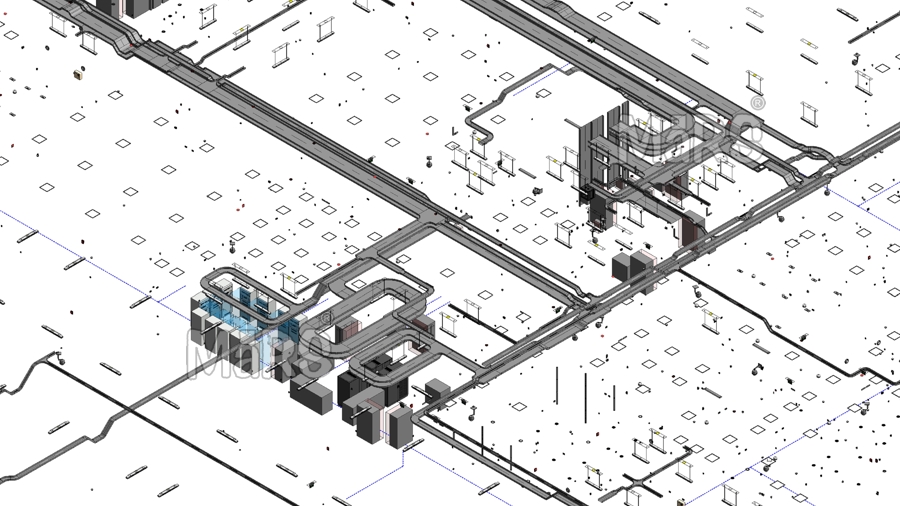
Clash detection is one of the most powerful benefits of BIM. Architectural, structural, and MEP elements can easily conflict if designed separately. BIM automatically identifies clashes between beams, walls, ducts, pipes, and equipment before construction starts. This allows architects and engineers to fix these issues early, reducing costly rework and avoiding site delays. By preventing conflicts in the digital model, BIM helps deliver a cleaner and more coordinated design to the construction team.
BIM Simplifies Construction Documentation
Construction Documentation is one of the most time-consuming parts of architectural work. In traditional drafting, architects must manually prepare and revise drawings, details, and schedules. BIM automates much of this process because all documents are generated directly from the 3D model. Whenever the model changes, every sheet updates automatically. This makes the Construction documentation more consistent, accurate, and easier to manage. It also reduces RFIs and helps contractors understand the design clearly.
BIM Improves Client Communication and Understanding
Clients often find it difficult to understand 2D drawings. BIM solves this by providing realistic 3D views, walkthroughs, and visualizations that show the building clearly. These visuals help clients understand the design earlier, make decisions faster, and request changes before construction begins. This improves communication between architects and clients and makes the approval process much smoother.
BIM Supports Sustainable and Efficient Building Design
Sustainability is a key priority in modern architecture, and BIM plays a major role in supporting it. BIM tools allow architects to analyze building performance from the early stages. They can study daylight, natural ventilation, energy use, and material choices. This helps them design buildings that use fewer resources and operate efficiently. BIM also supports green building certifications by providing accurate data and documentation needed for compliance.
BIM Reduces Project Time and Cost
BIM reduces time and cost by minimizing rework, lowering coordination issues, improving documentation accuracy, and speeding up decision-making. Since BIM catches errors early and keeps all drawings connected, projects experience fewer delays and less confusion. BIM also helps optimize material usage and prevents waste, making construction more cost-effective. This gives architects a major advantage in delivering high-quality projects on schedule and within budget.
Conclusion
Modern architectural design depends on BIM-based workflows because BIM provides the accuracy, speed, and coordination needed for today’s complex projects. It improves design quality, enhances communication, simplifies documentation, and reduces risks across the entire project lifecycle. BIM helps architects create better buildings with less effort and more confidence. In today’s industry, BIM is not just a modern tool—it is the core foundation of smart, efficient, and future-ready architectural design.
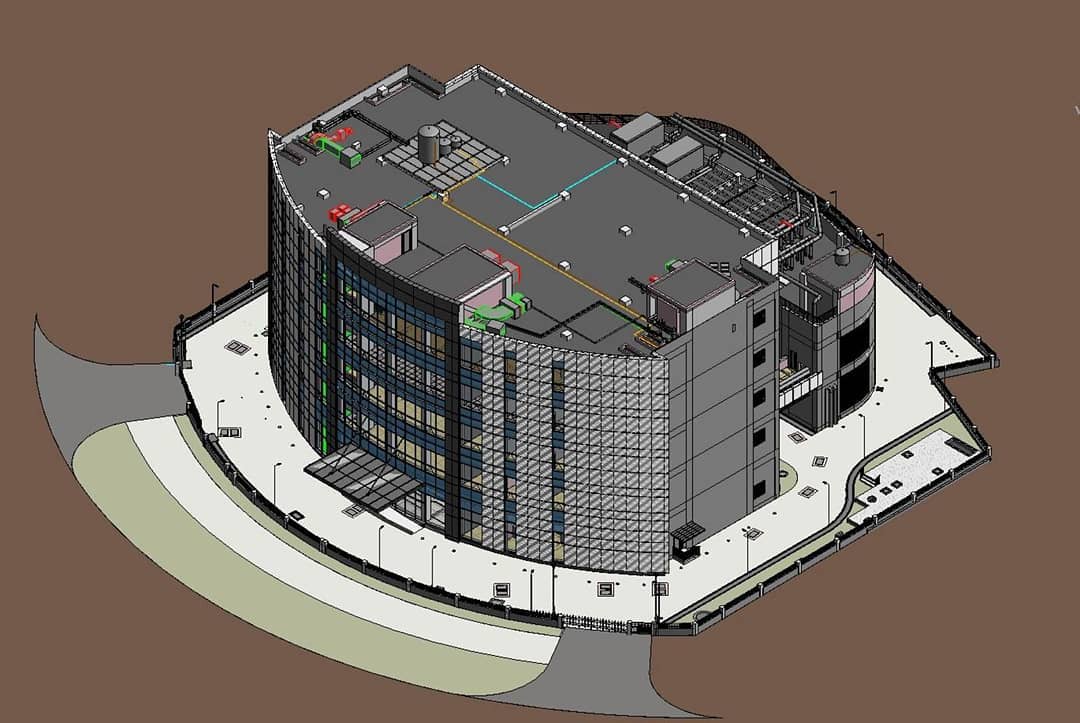
TrueCADD is Professional BIM consulting firm in India. The decade of experience in BIM implementation services and BIM execution planning (BEP) to help construction industry as well as architects, engineers, consultant and engineers for BIM execution plan and BIM modeling in building construction. As we are leading firm of BIM consulting, we aid to our valuable clients with a seamless transition from traditional 2D CAD and paper-based workflows to rapid virtual prototype allowed by effective 3D BIM models using Revit, without a lot of blunt investments.
Our exclusive BIM consulting services embraces
- Offshore BIM Team
- BIM Implementation
- BIM Project Integration
- Coordination among trades
- Clash detection & resolution
- 3D Visualization
- BIM Execution Planning (BEP)
- BIM Training
- Material take-off/ Quantity Estimation
- Model Template creation
- BIM Model Auditing
- BIM Content creation
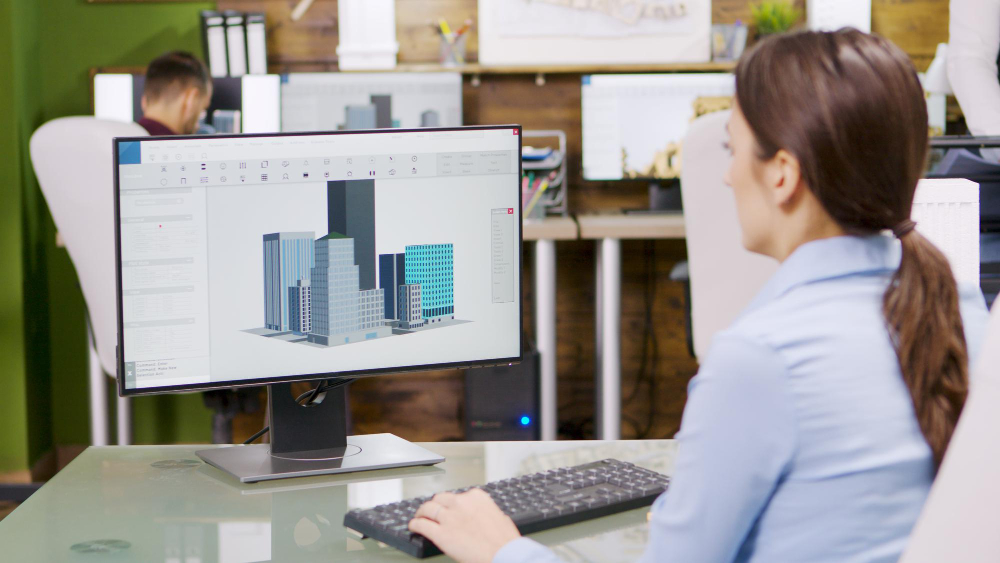

This is a modern approach to architectural and engineering design where 3D model structures are utilized to achieve efficient constructions with BOQ and material lists, construction drawing, coordination modeling, parametric modeling, scheduling and phasing.https://indbim.com/architects.html