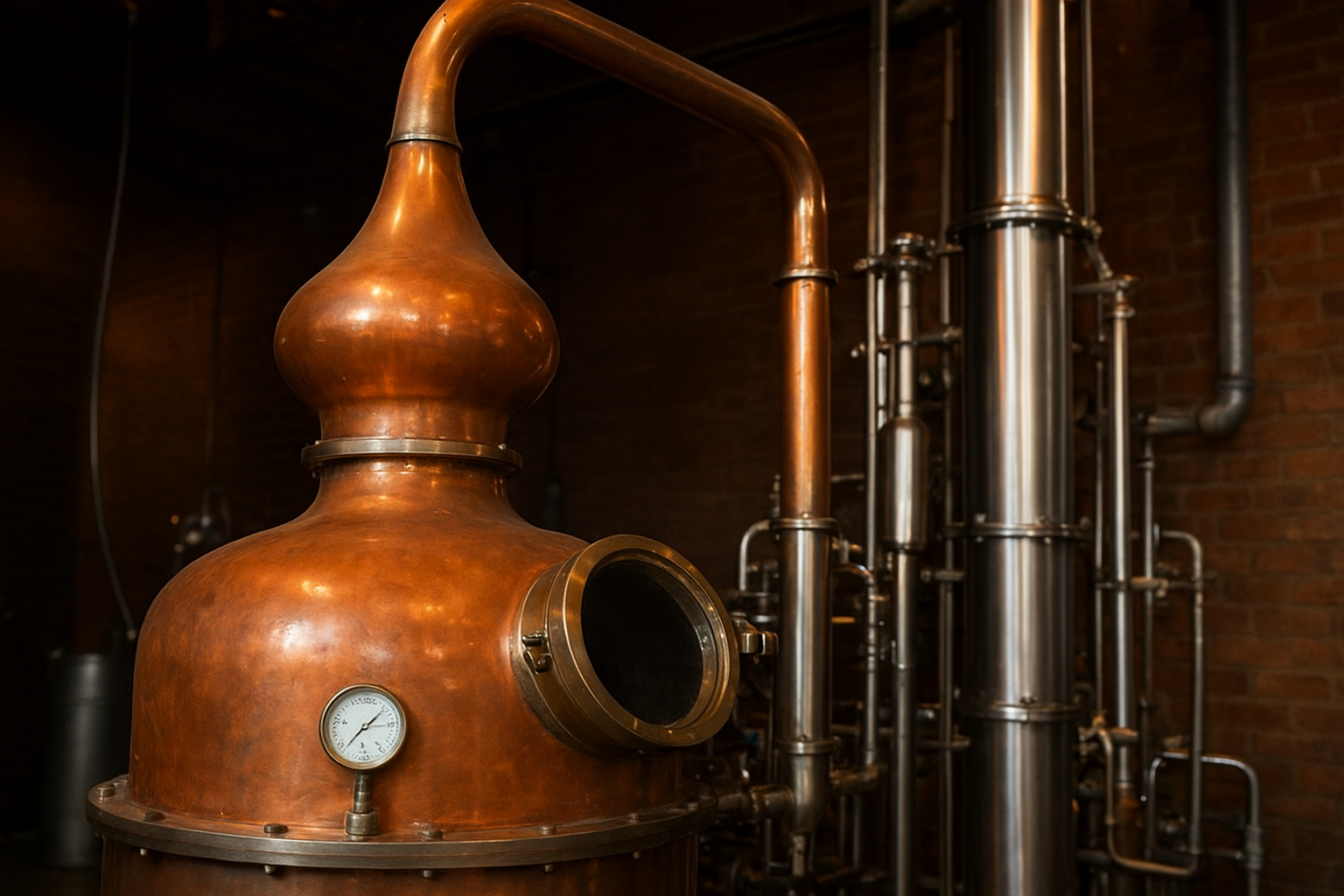
India’s climate is known for its intense heat, something most industries try to work around. But for the country’s alcohol producers, this heat has become a hidden advantage. Over the years, distilleries across India have learned to use high temperatures to mature their spirits faster and develop richer, more distinctive flavours.
How Heat Changes the Ageing Process
In traditional whisky-making regions like Scotland or Ireland, the cool climate allows alcohol to mature slowly over many years. The gradual process gives the spirit time to absorb the flavours of the oak barrels. In India, however, the story is different. The hot weather causes the liquid inside barrels to expand and contract much more rapidly.
This frequent movement allows the spirit to interact more deeply with the wood, pulling out flavours such as vanilla, caramel, and spice at a faster rate. As a result, what might take a Scotch whisky 12 years to achieve can happen in just four or five years in India.
This accelerated ageing gives Indian spirits a strong and complex flavour profile — one that’s often described as bold, warm, and full-bodied.
The Challenge of the Angels’ Share
One downside of this rapid ageing process is what distillers call the “angels’ share” — the portion of alcohol that evaporates from the barrels each year. In cooler climates, this loss is usually around 2% per year. In India, the heat causes it to rise to almost 10–12%.
That means distilleries lose more liquid, but the remaining spirit becomes more concentrated and flavourful. For producers, it’s a balance between quantity and quality.
Science Behind the Flavour
The interaction between heat and wood plays a key role in shaping the taste of Indian liquors. During hot days, the spirit is pushed into the wood’s pores, where it picks up complex compounds. When temperatures cool at night, the liquid contracts and returns to the barrel, carrying those flavours with it.
This natural cycle repeats daily, infusing the spirit with deep, layered notes. It’s one reason Indian whiskies and rums often taste older than they actually are.
Local Ingredients, Local Taste
Another reason Indian spirits stand out is the influence of local ingredients. The grains, water, and even the air quality vary across regions and all of these factors affect the final taste. For instance, whiskies made in Goa tend to have a smoother, slightly tropical flavour due to the coastal humidity. In contrast, spirits produced in Rajasthan or North India develop drier, spicier profiles.
This diversity allows each distillery to produce something unique, shaped by its environment and local resources.
Innovation in Modern Distilleries
Many of today’s distilleries have combined traditional techniques with modern innovation. Some use temperature-controlled warehouses to fine-tune the ageing process, while others rotate barrels between different climate zones for more balanced results.
There’s also a growing focus on sustainability. Several producers recycle water, reuse distillation byproducts, and use eco-friendly energy sources. Some even convert waste from alcohol production into biofuel. These steps help reduce the environmental impact of the industry while maintaining consistent quality.
Recognition on the Global Stage
Indian spirits have started gaining significant attention internationally. Indian single malts have won awards at global competitions, and rum producers are experimenting with premium blends that are appreciated by international consumers.
Experts often point out that Indian spirits stand out because of their intensity and warmth qualities that come directly from the country’s climate and unique production methods.
A Growing Global Identity
Alcohol production companies India have shown that climate can be an asset rather than a limitation. The heat that once made aging difficult now helps create spirits that are rich in flavour and character.
As more distilleries focus on craftsmanship, sustainability, and export quality, India is gradually carving its own identity in the global spirits market. The country’s natural conditions, skilled producers, and willingness to experiment are helping it build a reputation for quality and innovation.
India’s hot climate may seem like a challenge for alcohol production, but distilleries have turned it into an opportunity. Faster ageing, deeper flavours, and a unique regional identity have made Indian spirits stand out in an increasingly competitive market.
What was once considered a disadvantage has become one of India’s biggest strengths proving that sometimes, great taste really does come from unexpected places.
FAQs:
How does India’s climate affect the flavour of its spirits?
The heat accelerates the ageing process, allowing spirits to extract more flavour from the barrels, resulting in bold and complex tastes.
Why do Indian distilleries lose more alcohol during ageing?
High temperatures increase evaporation, known as the “angels’ share,” reducing volume but concentrating flavours.
Do local ingredients influence Indian spirits?
Yes, grains, water, and regional conditions give each spirit a unique flavour profile.
Are Indian spirits recognized internationally?
Yes, Indian single malts and rums have won awards and are appreciated for their distinctive flavour.
Which Indian distilleries are known for handling heat effectively to produce bold spirits?
Several distilleries in India have mastered the art of using the country’s heat to enhance flavour. Rajasthan Liquor Limited, for example, carefully monitors barrel ageing and local climate conditions to produce full-bodied spirits with rich taste. Other distilleries also adopt similar methods, combining traditional techniques with modern controls to ensure consistency while letting the climate naturally accelerate maturation. This approach results in unique, bold flavours that distinguish Indian spirits on the global stage.