Live music events are evolving rapidly. Beyond the lineup of artists, attendees now expect more immersive, shareable, and technology-driven experiences. One of the most exciting innovations is the rise of serving robots at music event, autonomous machines that deliver beverages, snacks, or branded merchandise while engaging the audience. These robots don’t just serve, they create spectacle, streamline service, and enhance brand activation in entirely new ways.
In this post we’ll explore:
- What serving robots at music events are
- Why they matter for event organisers and brands
- The case of serving robots at Tuneland Music Festival
- How to plan around them for your next event
- Challenges and best practices
- The future of serving robots at live events
- What Are Serving Robots at Music Events?
What Are Serving Robots at Music Events?
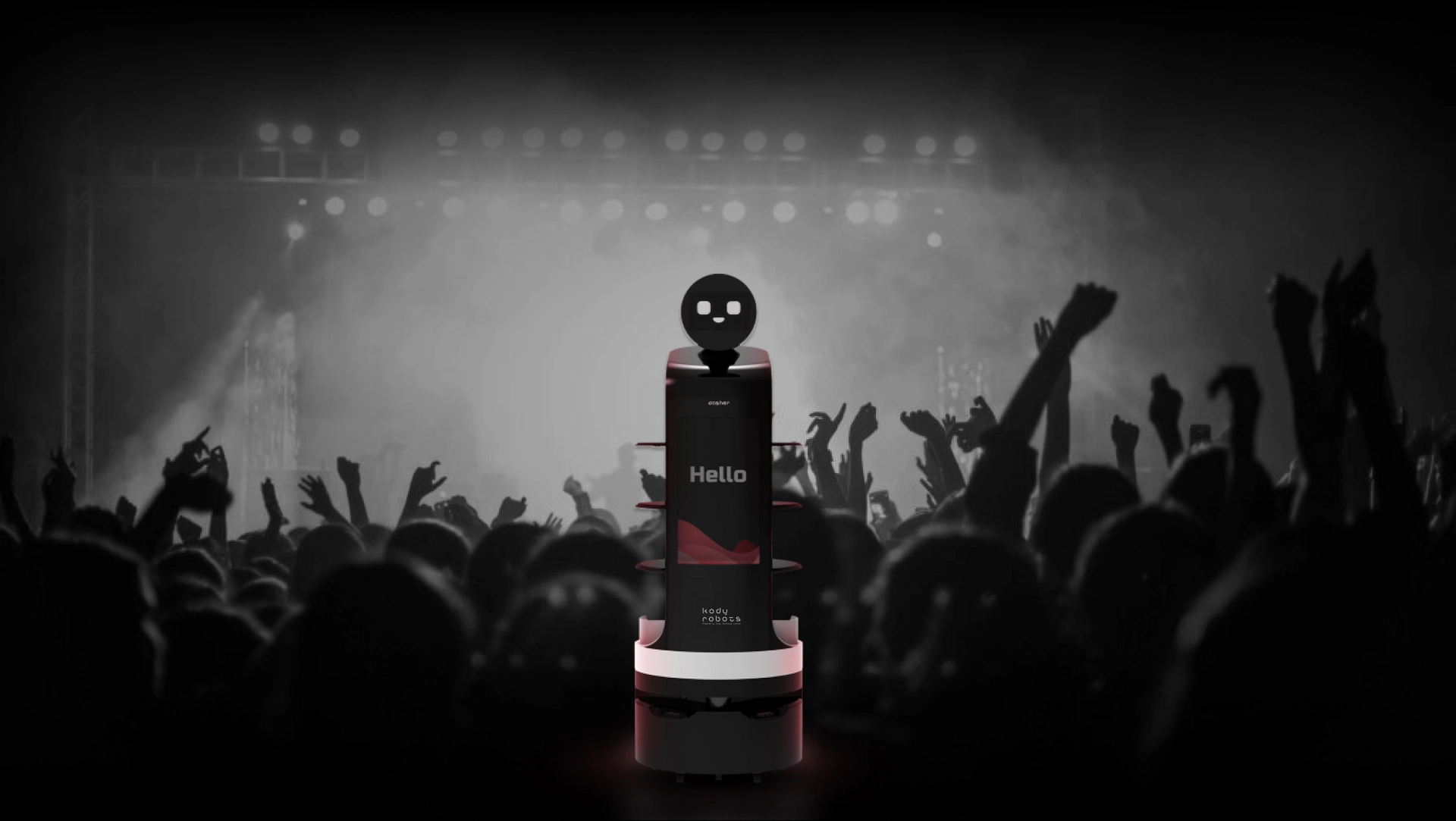
A serving robot at a music event is a robot programmed to deliver items such as drinks, snacks, giveaways, or branded merchandise to attendees within an event venue or festival grounds. These robots typically feature:
- Autonomous or semi-autonomous navigation (to move through crowds)
- Storage compartments or trays for carrying items
- Display screens or lighting for branding or instructions
- Sensors to avoid collisions, detect obstacles or people
- Remote content update or interactive elements for engagement
At music festivals, serving robots stand out because they combine service with spectacle: they move through the crowd, attract attention, and elevate the guest experience from typical queueing for drinks to something pioneering.
Why Serving Robots at Music Events Matter
1. Increased Engagement & Experience
When attendees see a robot gliding past offering refreshments, it creates a memorable moment. Instead of waiting in line, they engage with a mobile service unit, this raises dwell time, keeps energy flowing, and generates social content.
2. Operational Efficiency
Large festivals face major operational challenges: high footfall, long queues at beverage stalls, high staffing needs, and inconsistent service. A serving robot helps reduce queueing, decreases staff load, and ensures consistent delivery of items.
3. Brand Visibility & Activation
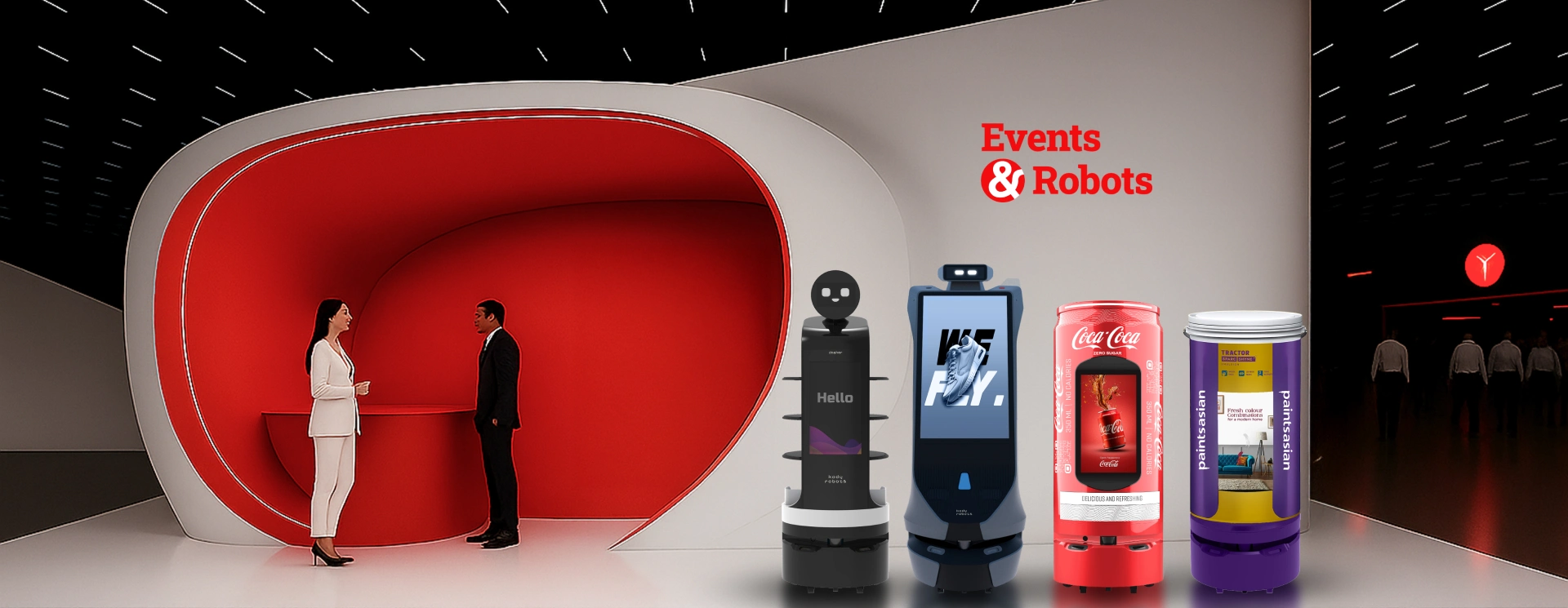
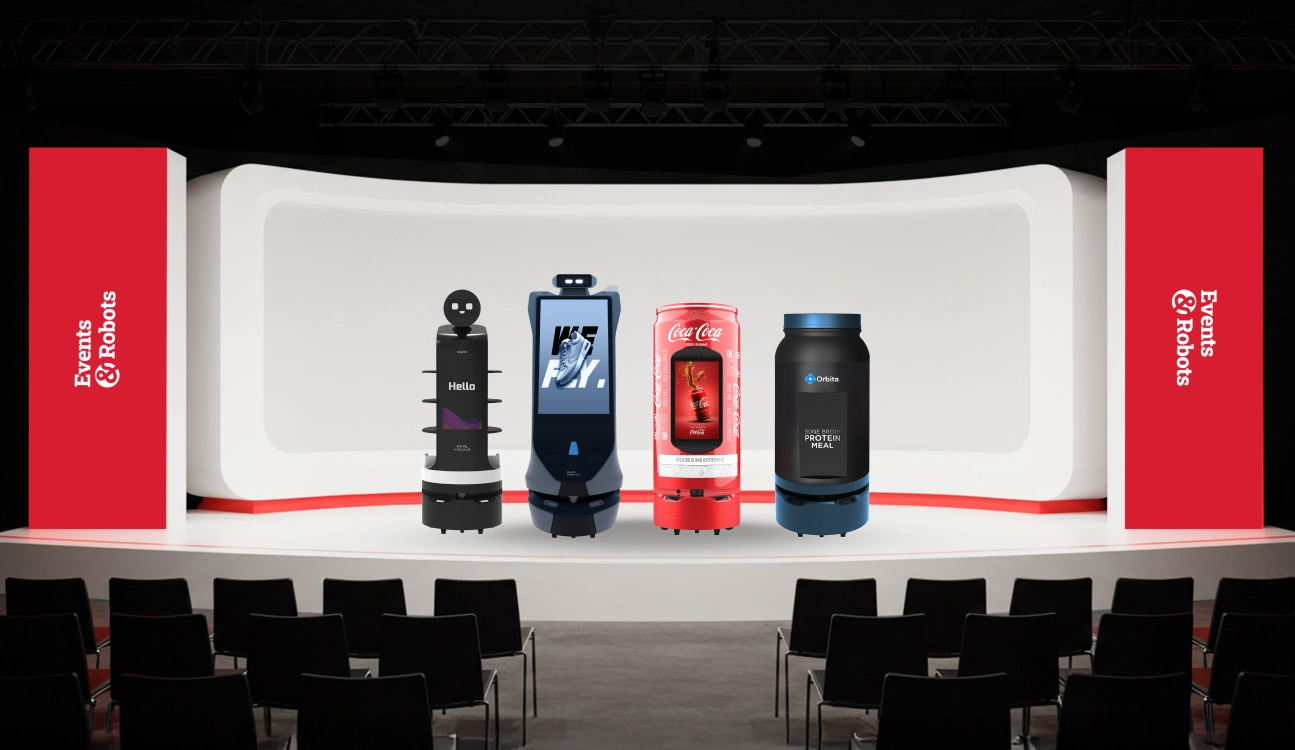
Serving robots are eye-catching. With LED lighting, screens, or branding, each robot becomes a moving billboard. For sponsors or brands at festivals, this means more visibility, more photo-ops, and higher share of voice.
4. Differentiation & Innovation
In the crowded landscape of live events, novelty helps. Serving robots send the signal that an event is tech savvy, modern, and forward-looking. That helps ticket-sales, media coverage, and attendee satisfaction.
5. Data & Analytics
Modern robots can track how many items they delivered, where they travelled, how many people approached them, and even trigger QR codes or interactions. This gives event organizers data they would not traditionally have for a drink stand.
Case Study: Serving Robots at Tuneland Music Festival
Let’s look at how serving robots have been used in real life at the Tuneland Music Festival to illustrate how this concept works in practice.
Event: Tuneland Music Festival, 2024, held at GIFT City, Gandhinagar (Gujarat, India)
Robot Provider: Kody Technolab – robotics & automation company
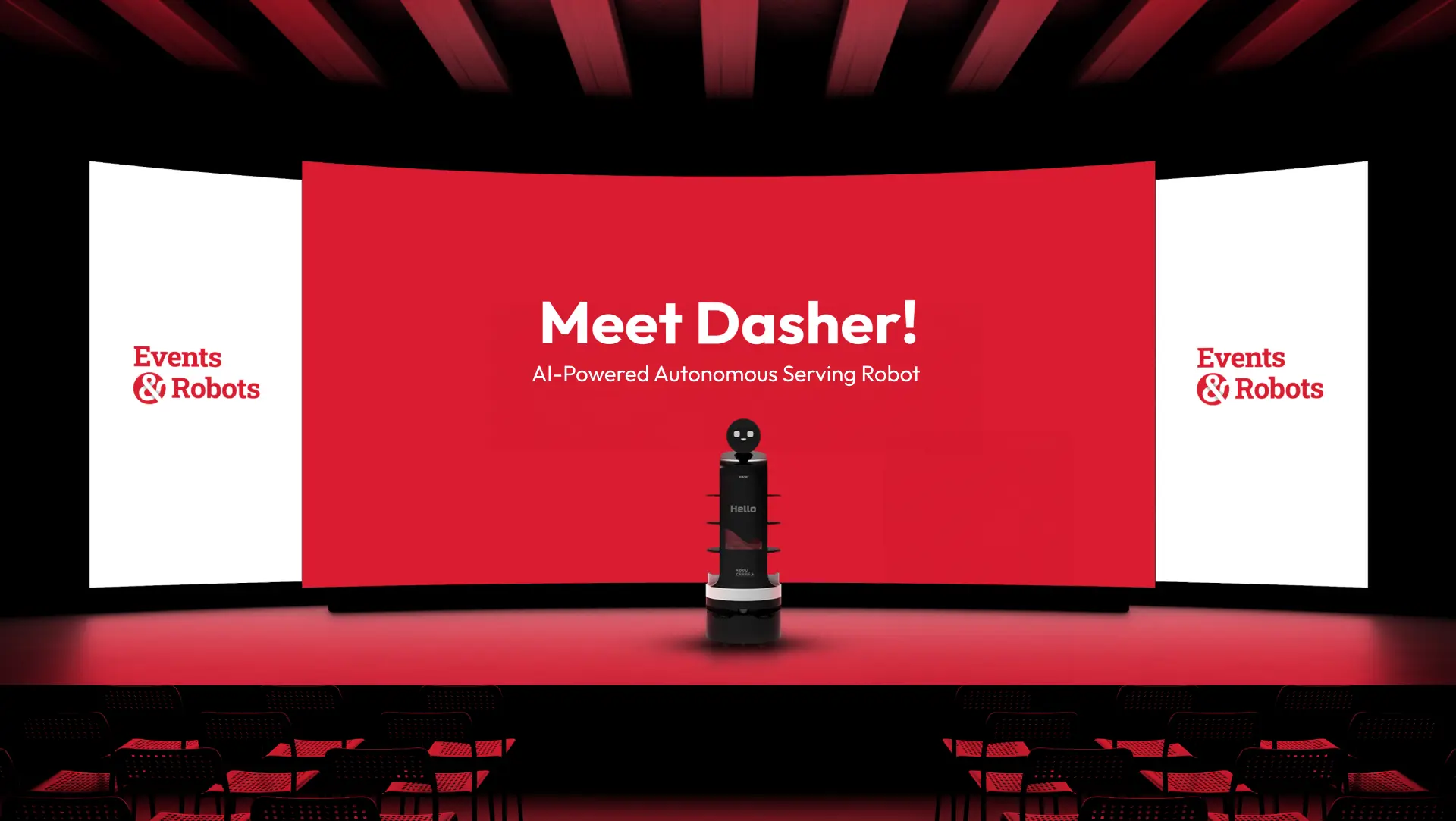
Key Robot: Dasher – an autonomous serving robot designed for service delivery at large-scale events.
Attendance: Over 35,000 attendees at the festival, making it a fitting environment for robot deployment.
Deployment Details
- Dasher was assigned to the VIP lounge and selected refreshment zones of the festival.
- It carried drinks and refreshments, navigating autonomously through the crowd, offering snack packs or promotional material.
- The robot also displayed branding and messages on board, effectively combining service with brand promotion.
- The festival environment, music, food stalls, large audience—provided high visibility, making Dasher’s presence part of the experience beyond just its functional service role.
Results & Insights
- The robot’s movement through high-traffic zones increased visibility of the brand behind it, and created social media moments as attendees photographed or recorded it in action.
- Service flow improved: some refreshment zones reported shorter waiting times, higher service consistency, and reduced staff fatigue.
- The integration of a high-tech element added to the overall perception of the festival being future-facing and innovative.
- Analytics from the robot helped capture how many times it stopped, how many items it delivered, and where bottle-necks happened—information that can feed into future event planning.
Lessons from Tuneland
- Serving robots work best in zones where queues are long, foot-traffic is high, and visibility is strong.
- Branding on the robot matters: the service piece draws attention, but the visual brand story ensures value beyond utility.
- Technical reliability is critical: the crowd is live, the environment dynamic. The robot must handle unexpected obstacles, crowd flow changes, and maintain battery life.
- Guest perception is key: the robot should feel friendly, engage subtly, and not cause confusion (“What is it doing?”) or mistrust.
How to Plan Serving Robots for Your Music Event
If you’re considering integrating serving robots at your next music festival or live event, here’s a step-by-step planning guide.
1. Define Goals & KPIs
- Are you using the robot to:
- Shorten drink queue times?
- Enhance brand activation for a sponsor?
- Create social media content/PR moments?
- Collect interaction data (items served, stops, guest interactions)?
2. Select the Right Robot
- Ensure the robot has sufficient tray/storage capacity for your items (drinks, snack packs, giveaways).
- Confirm autonomous navigation in crowded or uneven terrain if outdoors.
- Ensure battery life covers peak hours and has quick recharge mechanisms.
- Check branding options: wrap, LED screens, voice prompts.
- Confirm on-site technical support availability.
3. Placement & Route Planning
- Pick zones with high foot traffic but manageable crowd movement. Entrance, between main stages and refreshment areas, VIP zones.
- Plan routes to avoid bottlenecks or obstructed paths.
- Ensure robot stops are visible and safe, with space for guests to approach.
- Integrate way-finding or service prompts (e.g., “Scan here”, “Ask me for a can”, etc.).
4. Content & Branding
- Design visible branding on the robot (logo, campaign message, call to action).
- Use screens or voice prompts to guide the interaction (“Hi, want a cold drink?” or “Scan to win”).
- If collecting data via QR or touch screen, make it simple and incentive-based (free sample, contest entry).
- Rotate content during the event to keep it fresh.
5. On-Site Logistics
- Assign technical staff to monitor battery, navigation, item replenishment.
- Set up safe charging or docking station away from crowds.
- Brief human staff so they know how to handle guest queries related to the robot.
- Conduct test runs before doors open to ensure routes are safe and navigation is smooth.
6. Social & Media Amplification
- Create photo-op zones around the robot.
- Encourage guests to take selfies with it and share on social media with event hashtag.
- Use screens on robot to display hashtags or trigger short interactive stops.
- Collect guest reactions; you may generate video content post event.
7. Post-Event Analysis
- Review metrics: items served, stops made, interactions captured, social mentions.
- Survey guests about their experience with the robot.
- Analyze route efficacy and adjust for next event.
- Use data to report ROI and prepare future activations.
The Future of Serving Robots at Music Events
Serving robots at music events are likely to evolve in these ways:
Multi-service roles: beyond drinks/snacks, they might deliver merchandise, med-kits, or VIP gear.
Interactive freedom: robots that recognise guests and personalise service (“Hello, Sarah!”).
Hybrid human-robot service teams: robots handle supply delivery, humans handle interaction.
Data-driven workflow: robots integrated into event operations, traffic flow analytics, dynamic route changes.
Sustainability focus: robots using eco-friendly materials, promoting green messages, delivering reusable cups, etc.
Conclusion
Integrating serving robots at music event is no longer a futuristic concept, it's a practical way to inject innovation, boost service efficiency, enhance brand visibility, and elevate guest experience. Through the real-life example of Tuneland Music Festival and the deployment of robots like Dasher by Kody Technolab, we’ve seen how robots can transform refreshment service into a memorable part of the event journey.
If you’re planning a music festival, brand activation, or large-scale live event, consider how a serving robot can move beyond novelty to become a key part of your guest journey. With thoughtful planning, the right robot, and smart content, you can create an activation that not only serves but also inspires.
Looking to make your next event one to remember?
We Tampa Bay Food Truck can cater for any event.
Whether you're planning a wedding, private event or a relaxed house party, we ensure that every job is performed to your specifications along with whatever type of music your party needs.