Quick Overview
When it comes to replacing missing teeth, patients often face the decision of choosing between fixed bridges vs dental implants. Both options restore function, improve appearance, and support oral health, but they differ in terms of procedure, durability, and maintenance. Understanding the key differences, benefits, and risks can help patients make an informed choice. This blog explores these two popular tooth replacement solutions, their advantages, and why consulting a dental professional is essential for long-term oral health.
Table of Contents
1. What Are Fixed Bridges
2. What Are Dental Implants
3. Key Differences Between Fixed Bridges and Dental Implants
4. Pros and Cons of Fixed Bridges
5. Pros and Cons of Dental Implants
6. Cost Considerations
7. Long-Term Maintenance and Care
8. Risks of Delaying Tooth Replacement
9. Importance of Professional Consultation
10. Final Thoughts
What Are Fixed Bridges
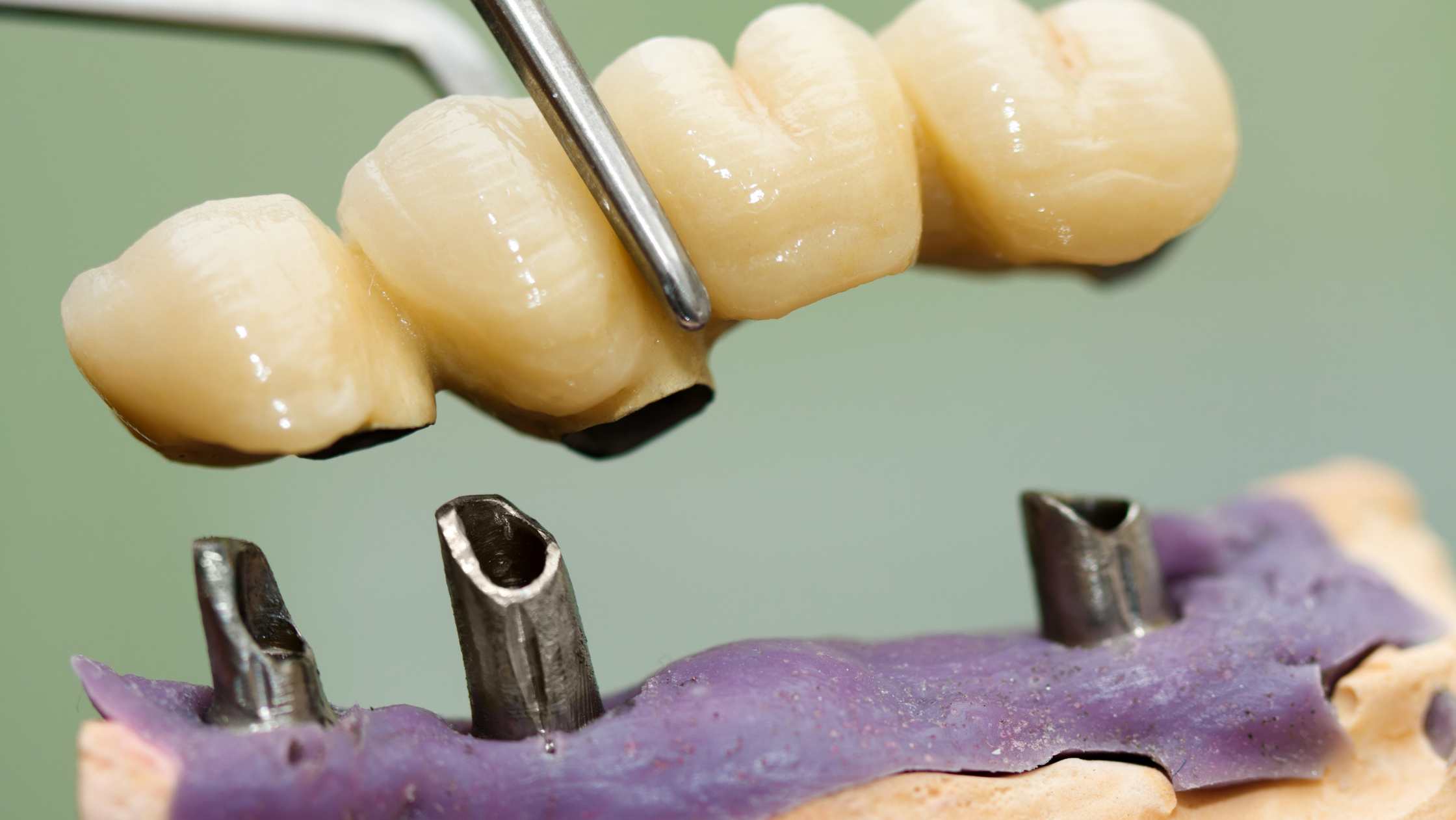
A fixed bridge is a dental restoration that replaces one or more missing teeth by anchoring a prosthetic tooth or teeth to the adjacent natural teeth. The supporting teeth are often covered with crowns to hold the bridge securely in place.
Fixed bridges have been used for decades and are effective in restoring the appearance and function of a smile. According to the American Dental Association, fixed bridges have a success rate of over 90% over 10 years when properly cared for.
What Are Dental Implants
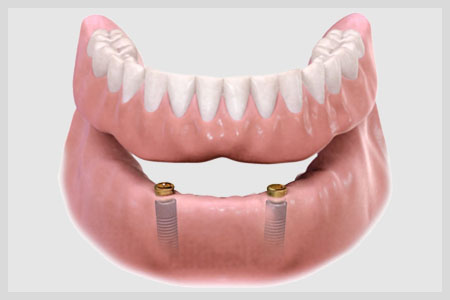
Dental implants are artificial tooth roots, usually made of titanium, that are surgically placed into the jawbone. Once the implant integrates with the bone, a crown, bridge, or denture can be attached.
Implants mimic the natural structure of teeth, providing strong support for chewing and preventing bone loss. Research shows that dental implants have a success rate of 95% to 98%, making them one of the most durable solutions for tooth replacement.
Key Differences Between Fixed Bridges and Dental Implants
The main differences between fixed bridges and dental implants involve procedure, durability, and impact on surrounding teeth.
• Fixed bridges rely on adjacent teeth for support, which means healthy teeth may need to be altered.
• Dental implants are anchored directly in the jawbone, leaving surrounding teeth intact.
• Implants help maintain bone density, whereas bridges do not prevent bone loss in the missing tooth area.
• Bridges typically take less time to complete, while implants require surgery and a healing period of several months.
These differences influence a patient’s choice based on oral health, budget, and personal preference.
Pros and Cons of Fixed Bridges
Fixed bridges offer several advantages:
• Faster Treatment: Bridges can often be completed in a few weeks.
• Non-Surgical: Bridges do not require surgery, making them suitable for patients who cannot undergo surgical procedures.
• Cost: Bridges usually cost less upfront than implants.
However, there are limitations:
• Impact on Healthy Teeth: Supporting teeth need crowns, which can compromise their structure.
• Longevity: Bridges generally last 10 to 15 years, which is shorter than implants.
• Bone Loss: The jawbone under the missing tooth may deteriorate over time.
Patients considering a bridge should weigh these pros and cons and discuss them with their dentist.
Pros and Cons of Dental Implants
Dental implants also have distinct benefits:
• Durability: Implants can last 20 years or more with proper care.
• Preserves Bone: The implant stimulates the jawbone, preventing bone loss.
• Natural Function: Implants provide strong support for chewing and speaking.
• No Damage to Adjacent Teeth: Unlike bridges, implants do not require altering healthy teeth.
Challenges of implants include:
• Surgical Procedure: Placement requires minor surgery and healing time.
• Higher Upfront Cost: Implants are generally more expensive initially than bridges.
• Time Commitment: The process can take several months for full integration.
Despite these considerations, implants are often recommended for patients seeking a long-term, stable solution.
Cost Considerations
Cost is a major factor when deciding between fixed bridges and dental implants.
• Fixed bridges generally cost between $2,000 and $5,000 depending on the number of teeth replaced and the materials used.
• Dental implants, including the surgical placement and crown, can range from $3,000 to $6,000 per tooth.
While implants may have a higher initial cost, their durability often makes them more cost-effective over time. Bridges may require replacement or repairs every 10 to 15 years, which can increase the overall expense.
Long-Term Maintenance and Care
Both options require good oral hygiene.
• Fixed bridges require regular cleaning underneath the bridge to prevent decay and gum disease.
• Dental implants need brushing and flossing like natural teeth, and regular dental checkups ensure long-term success.
Studies indicate that patients with dental implants often experience fewer complications and better overall oral health compared to bridge patients.
Risks of Delaying Tooth Replacement
Delaying tooth replacement, whether choosing a bridge or implant, carries significant risks.
• Remaining teeth may shift, causing bite problems and jaw discomfort.
• Chewing efficiency decreases, which can affect nutrition.
• Bone loss occurs in areas where teeth are missing, making future dental work more complex and costly.
It is similar to any urgent health issue. Just as Dental Emergency Treatment in Kenner is essential to prevent worsening conditions, timely tooth replacement helps avoid long-term complications.
Importance of Professional Consultation
Choosing between fixed bridges and dental implants should involve a thorough evaluation by a qualified dentist. A professional can assess oral health, bone density, and personal preferences to recommend the best treatment.
Patients should also consider their lifestyle, budget, and willingness to undergo surgery when deciding. Early consultation helps prevent further dental problems and ensures a solution that balances functionality, aesthetics, and long-term health.
Final Thoughts
Both fixed bridges and dental implants are effective solutions for replacing missing teeth, but each has unique advantages and considerations. Bridges offer quicker treatment with lower upfront cost but may affect adjacent teeth and bone health. Implants provide a long-lasting, natural solution that preserves bone and does not compromise surrounding teeth, though they require surgery and a higher initial investment.
Consulting a skilled dental professional is crucial to determine the right option for each patient. Precision Dental and Implant Center offers comprehensive evaluations and personalized treatment plans to help patients restore their smiles. Dr. Reza Edalati is a skilled prosthodontist celebrated for his precision and patient-focused care. He heads Precision Dental and Implant Center, delivering expert solutions for healthy, confident smiles.
Residents seeking lasting solutions for missing teeth are encouraged to schedule a consultation to explore the best option for their oral health.