

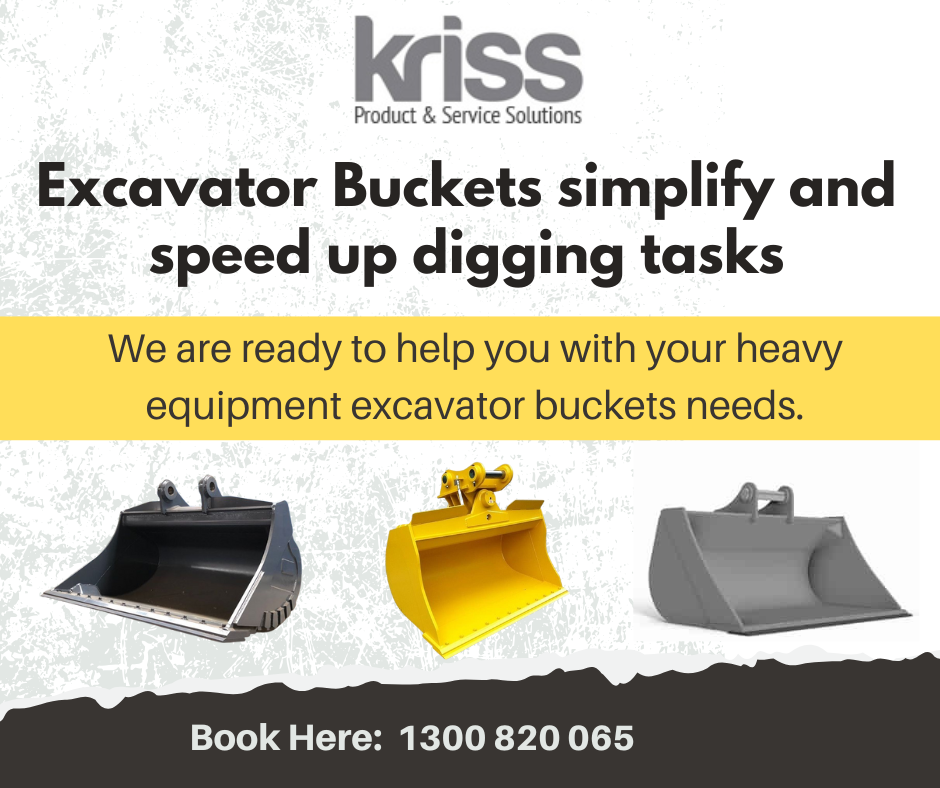
When you’re tackling an earthmoving project, choosing the right bucket isn’t just a detail—it’s the difference between cruising through the job and fighting the ground every step of the way. With so many excavator buckets for sale, operators often wonder which one best suits their soil type and application. Let’s break it down so you can pick the perfect match for your worksite.
What Makes Soil Type Such a Crucial Factor?
Soil isn’t one-size-fits-all. From loose sand to sticky clay to rock-hard terrain, each type demands a bucket built to handle its challenges. Some soils crumble with ease, while others cling, compact, or downright resist your efforts! Because of that, attachments like digging buckets, excavator mud buckets, and screening tools all serve very different roles.
Which Bucket Works Best for Soft or Loose Soil?
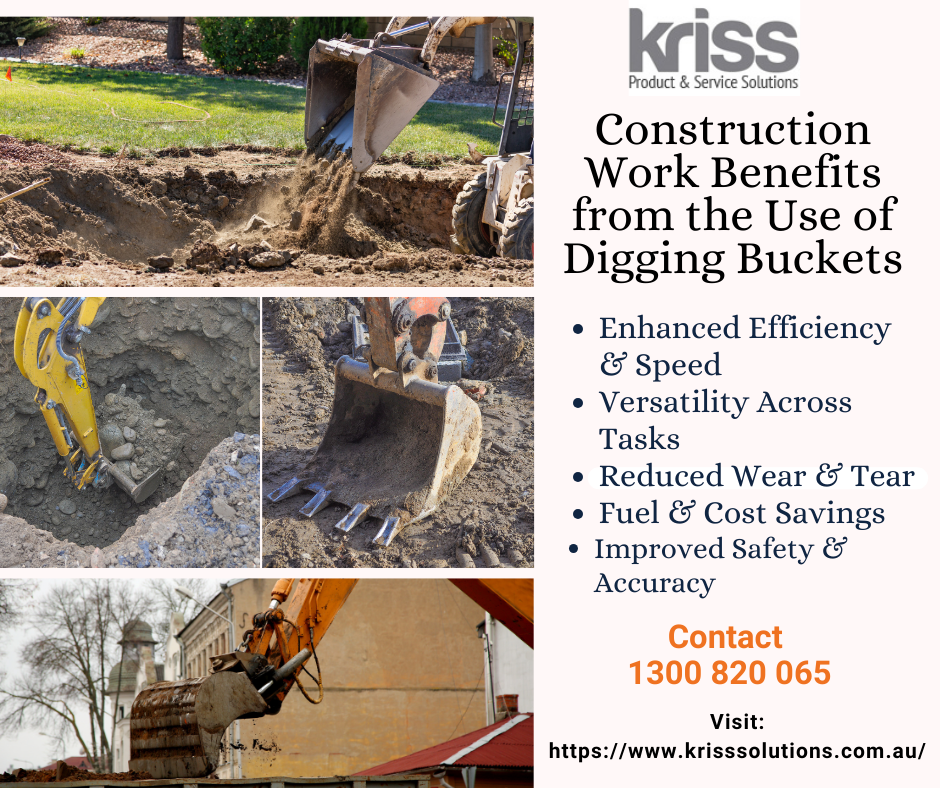
When handling soft soil—such as sand, topsoil, or loose fill—you need something quick and efficient. Digging buckets are perfect for this. They have sharp teeth and a sleek shape, helping them move smoothly through loose ground without wasting time or fuel.
Their strength lies in versatility: trenching, loading, shaping—you name it, they’re ready. If your site mainly features softer terrain, this attachment becomes a no-brainer.
What Should You Use on Wet, Sticky, or Clay-Rich Soil?
Clay is the troublemaker of the soil family. It sticks, clumps, and refuses to cooperate. That’s exactly why excavator mud buckets exist—they’re wider, smoother, and built to move large amounts of wet or sticky material without clogging.
Their rounded edges and larger capacity prevent material from bunching up inside the bucket. Whether you’re clearing swampy ground or handling waterlogged soil, a mud bucket saves you time and a lot of frustration.
How Do You Handle Hard, Compact, or Rocky Ground?
Now, let’s talk about tough terrain—the kind that laughs at regular buckets. That’s where an attachment like an excavator ripper for sale comes in handy. Before you can dig anything, you first need to break the surface, and a ripper’s single-tooth design delivers maximum force right where it counts.
Once the ground has been loosened, you can switch back to a digging bucket to finish the job. This one-two combo makes even stubborn surfaces manageable.
What About Jobs Requiring Material Separation?
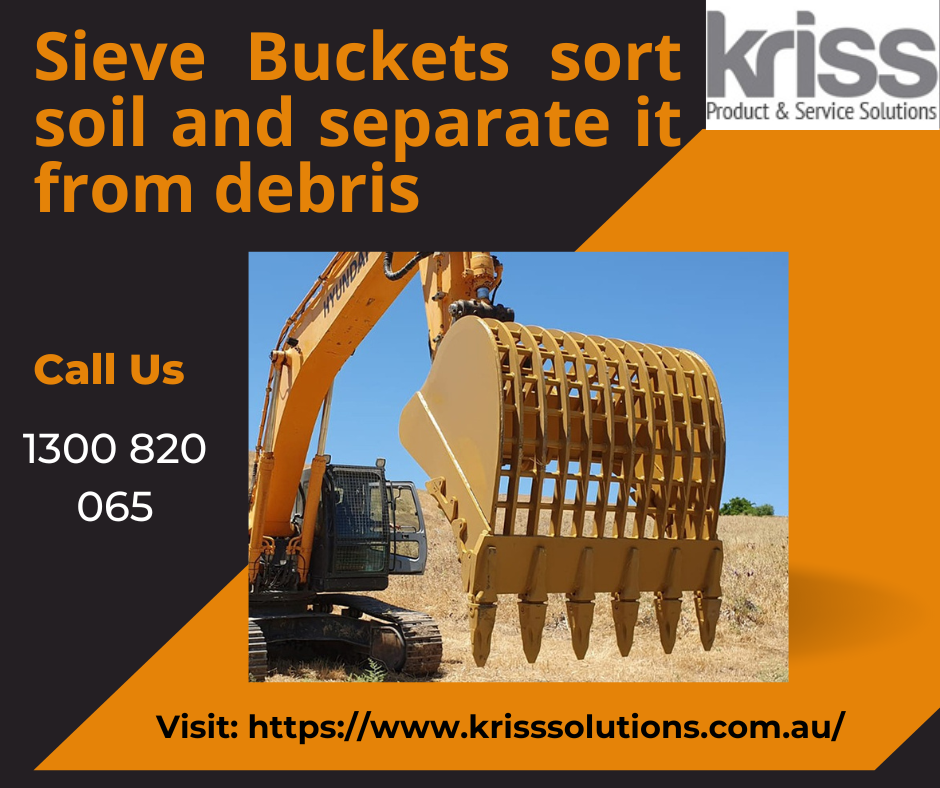
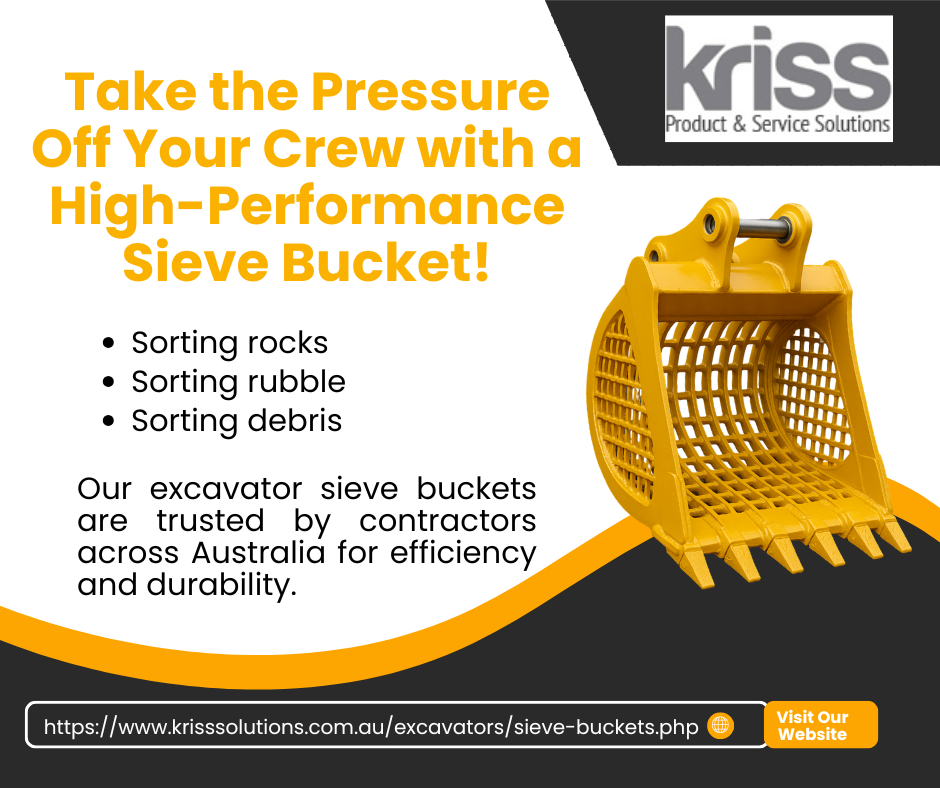
Sometimes the challenge isn’t digging—it’s separating. If your project involves sorting rocks, debris, or oversize material from useful soil, an excavator sieve bucket becomes your best friend. Its grid-like structure lets fine material fall through while keeping the rest.
Landscaping, recycling, demolition cleanup—this attachment shines anytime precision screening is needed.
Conclusion:
So, how do excavator buckets for sale vary by soil type and application? More than you might think! For everyday excavation, digging buckets deliver speed and performance. In wet, sticky conditions, excavator mud buckets handle the mess like a champ. On rock-hard jobs, pairing a ripper with a bucket gives you unmatched efficiency, while sieve buckets help sort and clean materials with ease.
In short, choosing the right bucket isn’t guesswork—it’s strategy. Match the attachment to the soil, and every dig becomes smoother, faster, and far more productive.