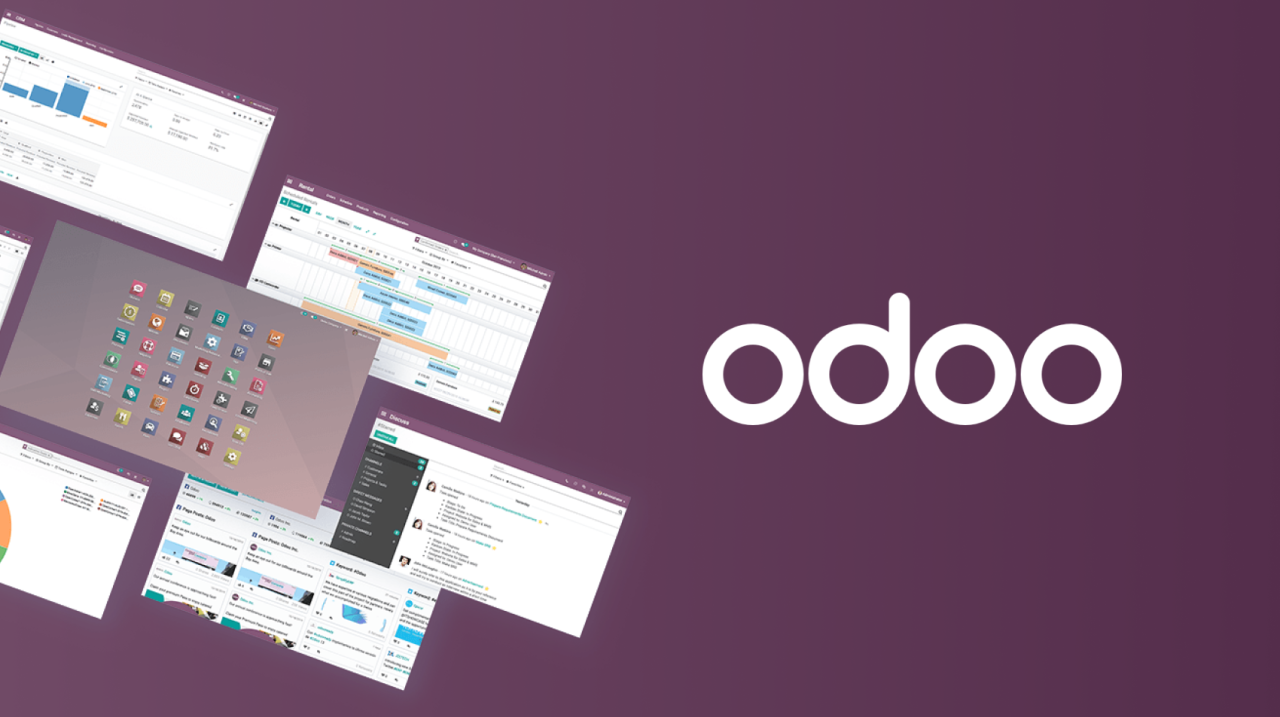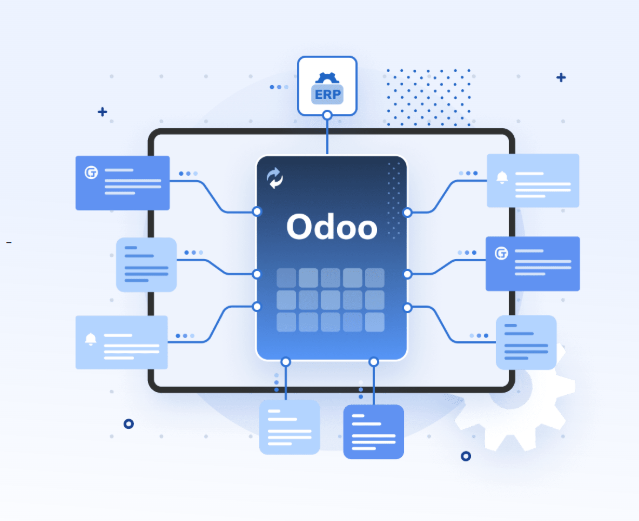
In today’s fast-paced business environment, companies are constantly seeking solutions that can streamline operations, enhance productivity, and provide real-time insights. Enterprise Resource Planning (ERP) systems have become essential tools for organizations striving to achieve these goals. Among the various ERP solutions available in the market, Odoo software stands out due to its flexibility, modularity, and user-friendly interface. This article delves into the key features of Odoo software and provides a detailed overview of how it can transform business processes across industries.
Introduction to Odoo Software
Odoo software is an all-in-one ERP solution that integrates various business applications into a single platform. From accounting and inventory management to human resources and customer relationship management, Odoo offers a wide range of modules designed to meet the needs of small, medium, and large enterprises. Its open-source architecture allows businesses to customize the software according to their unique requirements, making it a highly scalable and adaptable solution.
One of the most notable advantages of Odoo is its modular structure. Businesses can start with a few core applications and gradually add more modules as they grow, avoiding unnecessary complexity and reducing implementation costs. Additionally, Odoo’s cloud-based deployment ensures accessibility, real-time data synchronization, and seamless collaboration across departments.
Key Features of Odoo Software
The versatility of Odoo software lies in its comprehensive suite of features that cover almost every aspect of business management. Below, we explore the primary modules and functionalities that make Odoo an ideal ERP solution for growing businesses.
1. Accounting and Finance Management
Odoo software offers a robust accounting module that simplifies financial management. Businesses can automate tasks such as invoicing, payment tracking, bank reconciliation, and tax management. The software provides real-time financial reporting, allowing companies to monitor cash flow, profitability, and overall financial health. Key features include:
Automated invoice generation and payment reminders
Multi-currency support for global operations
Real-time financial reporting and analytics
Integration with banking systems for seamless transactions
With Odoo, businesses can reduce manual errors, save time, and ensure compliance with financial regulations, all while gaining deeper insights into their financial performance.
2. Customer Relationship Management (CRM)
Customer relationships are at the heart of any successful business. Odoo software’s CRM module helps organizations manage leads, track opportunities, and maintain strong customer connections. The CRM system provides tools for:
Lead scoring and pipeline management
Automated follow-ups and reminders
Detailed customer interaction history
Integration with email marketing campaigns
By leveraging Odoo’s CRM capabilities, businesses can improve customer satisfaction, increase sales, and foster long-term loyalty.
3. Inventory and Warehouse Management
Efficient inventory management is critical for businesses dealing with physical products. Odoo software includes a powerful inventory module that streamlines stock control, warehouse operations, and supply chain management. Features include:
Real-time inventory tracking and alerts for low stock levels
Multi-warehouse management with detailed location mapping
Automated replenishment and order management
Barcode scanning and product categorization
These features enable companies to reduce inventory costs, prevent stockouts, and optimize warehouse operations, resulting in improved operational efficiency.
4. Sales and Point of Sale (POS)
Odoo’s sales module allows businesses to manage their entire sales process, from quotation to order fulfillment. Its intuitive interface supports seamless sales tracking, invoicing, and reporting. Key features include:
Quotation and sales order management
Integration with e-commerce platforms
Real-time sales analytics and performance metrics
POS integration for retail businesses
The POS system further enhances the sales experience by providing a user-friendly interface for cashiers, supporting multiple payment methods, and synchronizing sales data across channels.
5. E-Commerce Integration
In the digital age, online sales channels are crucial for business growth. Odoo software offers a fully integrated e-commerce platform that enables companies to create and manage online stores with ease. Features include:
Drag-and-drop website builder
Seamless integration with inventory and sales modules
Automated order processing and shipping
Customer portal for tracking orders and managing accounts
Odoo’s e-commerce capabilities allow businesses to provide a smooth online shopping experience while maintaining control over inventory and fulfillment.
6. Human Resource Management (HRM)
Managing a workforce effectively is vital for organizational success. Odoo software’s HRM module simplifies employee management, payroll processing, and recruitment. Features include:
Employee records and attendance tracking
Payroll management with automated calculations
Recruitment and applicant tracking system
Performance evaluation and appraisal management
By using Odoo, businesses can streamline HR processes, enhance employee engagement, and ensure compliance with labor regulations.
7. Project and Task Management
Efficient project management ensures timely delivery and resource optimization. Odoo software provides a project management module with features that support task planning, collaboration, and progress tracking. Key functionalities include:
Kanban, Gantt, and calendar views for task management
Time tracking and resource allocation
Automated notifications and task dependencies
Project analytics and reporting
This module allows teams to collaborate effectively, monitor project milestones, and achieve business objectives efficiently.
8. Manufacturing and Production Management
For manufacturing businesses, Odoo software offers tools to manage production workflows, optimize operations, and control costs. Features include:
Bill of Materials (BOM) management
Work order scheduling and tracking
Production planning and resource allocation
Quality control and maintenance management
These functionalities help manufacturers improve production efficiency, reduce downtime, and maintain high-quality standards.
9. Marketing Automation
Marketing is a key driver of business growth, and Odoo software includes marketing automation tools to help companies engage customers effectively. Features include:
Email marketing campaigns and automation
Social media management and analytics
Lead nurturing and segmentation
Campaign performance tracking
With Odoo’s marketing capabilities, businesses can target the right audience, increase conversion rates, and maximize ROI.
10. Reporting and Analytics
Data-driven decision-making is crucial for business success. Odoo software provides advanced reporting and analytics tools that give organizations insights into performance across all departments. Features include:
Customizable dashboards and KPIs
Real-time reporting and data visualization
Predictive analytics for forecasting
Integration with external BI tools
By leveraging these insights, businesses can identify trends, detect inefficiencies, and make informed strategic decisions.
Advantages of Using Odoo Software
Beyond its extensive features, Odoo software offers several advantages that make it a preferred ERP solution for growing businesses:
Modular and Scalable: Businesses can start with essential modules and expand as their needs grow.
User-Friendly Interface: Odoo is designed to be intuitive, reducing the learning curve for employees.
Cost-Effective: Its open-source nature and flexible deployment options reduce overall implementation costs.
Integration Capabilities: Seamless integration with third-party applications and e-commerce platforms enhances workflow efficiency.
Cloud and On-Premise Deployment: Businesses can choose the deployment method that suits their infrastructure and security requirements.
Customizability: Odoo can be tailored to meet industry-specific needs and unique business processes.
These advantages position Odoo as a versatile and reliable solution for companies looking to streamline operations, improve collaboration, and drive growth.
Industries That Benefit from Odoo Software
Odoo software is suitable for a wide range of industries due to its flexibility and comprehensive functionality. Key industries that benefit include:
Retail: Streamlined sales, POS, and inventory management.
Manufacturing: Efficient production planning, resource allocation, and quality control.
Healthcare: Patient management, billing, and HR management.
E-commerce: Seamless online store management and integrated marketing.
Education: Student management, attendance tracking, and HR processes.
Services: Project management, CRM, and accounting solutions.
By providing tailored modules for specific industries, Odoo ensures that businesses can optimize processes and achieve operational excellence.
Conclusion
In conclusion, Odoo software stands out as a comprehensive ERP solution that combines flexibility, scalability, and user-friendly design. Its wide range of features—from accounting and CRM to manufacturing and marketing automation—enables businesses to streamline operations, enhance productivity, and make data-driven decisions. By integrating all critical business processes into a single platform, Odoo helps companies save time, reduce costs, and focus on growth.
Whether you are a small startup or a large enterprise, adopting Odoo software can provide the tools necessary to manage your business efficiently and stay competitive in today’s dynamic market landscape. Its modularity, customizability, and extensive functionality make it a go-to ERP solution for businesses aiming for long-term success.


CandidRoot gets you easy access to experts who can build your Odoo software and drive the growth of your business.
Starting from the development to staging to production, we take care of it all.
Whether it is Odoo CMS development, Odoo theme development, Odoo web development services, CandidRoot can cater to all your requirements.
We even offer customized Odoo development service as per the varying needs of different clients.
We ensure quick deployment for our customers so that they can propel their business goals and achieve them.