


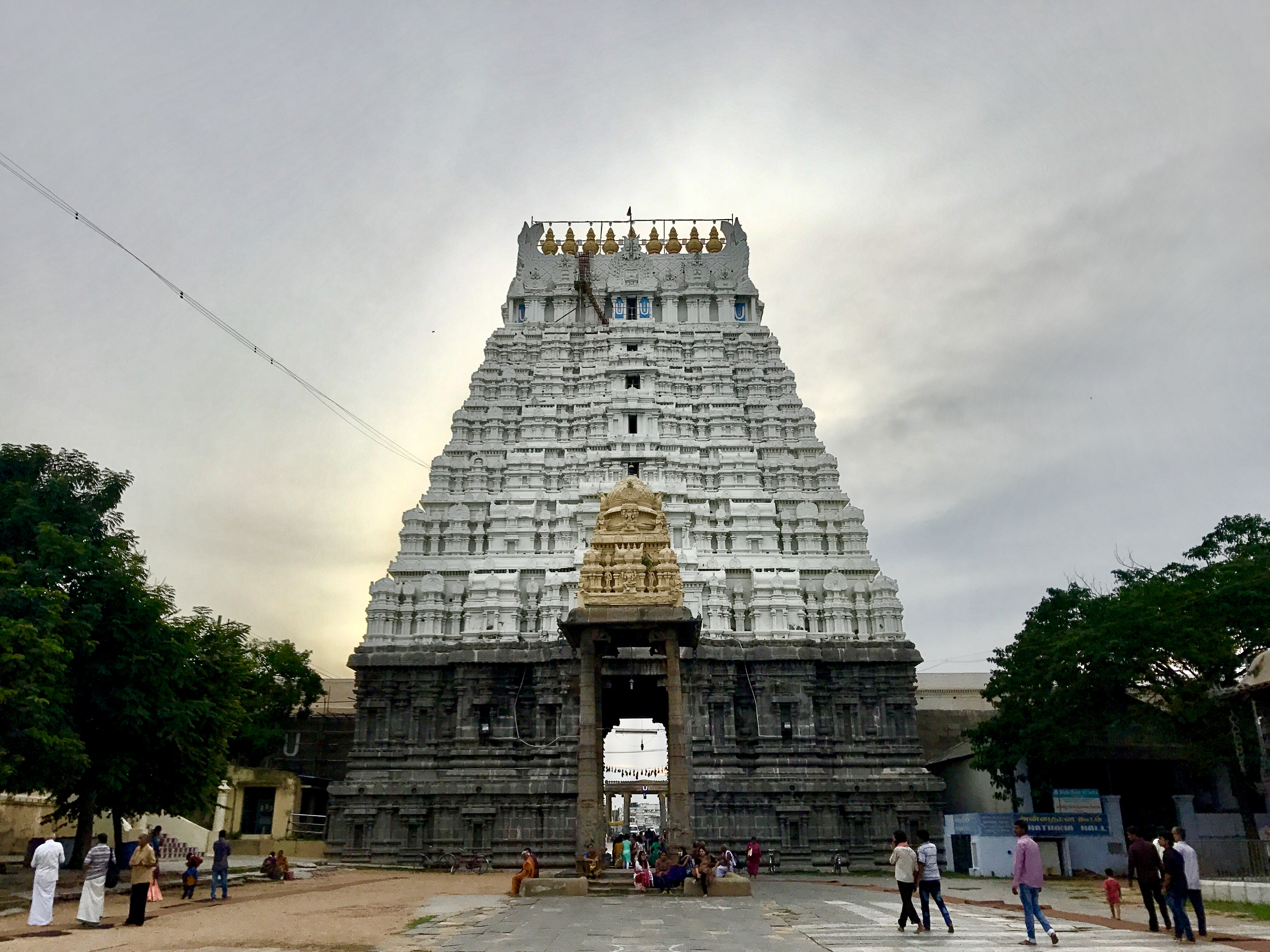
Performing puja in a centuries-old temple is not just a ritual — it is an experience that connects you to tradition, culture, and inner calm. Many devotees visit Kanchipuram to understand the deeper essence of prayer, where faith is blended with ancient architectural beauty. When you arrive at the sacred Kanchipuram Varadharaja Perumal Temple, the serene environment itself invites you into a space of devotion and mindfulness. For many visitors, even a simple glance at the deity feels meaningful because the temple’s atmosphere slows down your thoughts and helps you focus on worship. Some pilgrims also appreciate spiritual tools like Naman Darshan, which offers guided devotional access and helps devotees understand how to engage in rituals respectfully and confidently.
Preparing Yourself Before the Puja
Before performing puja, it is important to prepare both physically and mentally. Ancient temple traditions emphasize that a calm mind is essential for receiving spiritual benefits. Here are a few things you should keep in mind:
- Wear modest and comfortable traditional clothing.
- Avoid heavy meals before entering the temple.
- Keep your mobile phone on silent mode.
- Carry flowers, fruits, or small offerings if you wish to participate in archana.
A short moment of silence before stepping inside can help you settle into the temple’s sacred rhythm.
Understanding the Puja Flow
To make your experience smooth, it helps to know the step-by-step flow of ritual worship. Every temple has its own traditions, and this one follows the Vaikhanasa Agama, an ancient and detailed philosophy of worship.
1. Entering the Temple
As you walk in, observe the gopuram, the corridors, and the stone sculptures. Devotees usually start by washing their hands near the temple tank and offering a small prayer to the guardian deities at the entrance.
2. Approaching the Sanctum
Move with patience and avoid overtaking other devotees. The priests guide the queue well, so following the flow ensures everyone gets a peaceful darshan.
3. Offering Prayers
You may hand over your offerings to the priest for archana. They chant your name, star, and gothram (if known) before presenting the offerings to the deity.
4. Receiving Prasadam
After the puja, you will receive prasadam — usually tulsi, sacred water, or laddu — symbolizing divine blessings.
Connecting Rituals With Inner Devotion
The beauty of performing puja is that it is as much about your inner intention as it is about external offerings. Devotees often use the moment in the sanctum to express gratitude or seek guidance. This makes the experience deeply personal. When comparing spiritual environments, some pilgrims mention places like ISKCON, Mayapur, West Bengal, where chanting practices create a similar sense of emotional grounding. Each temple has its own energy, yet the core purpose of prayer remains universal.
Tips for First-Time Visitors
- If you are performing puja here for the first time, these practical tips can help you feel more confident:
- Morning and early evening are ideal times for a calmer experience.
- Keep your belongings minimal and easy to manage.
- Follow priest instructions clearly and respectfully.
- If unsure about rituals, quietly observe others or ask the temple volunteers.
Many visitors find that their first experience becomes a treasured memory because of the temple’s peaceful, welcoming atmosphere.
Maintaining Respect During Rituals
Temple etiquette matters, as it preserves the sanctity and experience for everyone. Avoid leaning on walls, touching pillars unnecessarily, or standing too close to the sanctum entrance. Photography may be restricted in certain areas; follow the signage accordingly. Maintaining silence allows others to enjoy their spiritual moment without disturbance.
What Makes the Puja Experience Unique
Every temple has its own identity, but worship here carries a distinct charm. The stone corridors, the soft illumination of lamps, and the sound of conch shells create an ambience that naturally encourages mindfulness. Many pilgrims feel emotionally lighter after the puja, describing it as a moment where devotion and tranquillity meet. In some ways, the spiritual depth here reminds visitors of the ancient cultural grace found at Lingaraj Temple, Bhubaneswar, Odisha, though each shrine has its own historic essence.
Frequently Asked Questions
1. Do I need to book anything in advance for puja?
Regular darshan and basic puja typically do not require advance booking, but special sevas may have separate counters.
2. Can I take flowers and fruits inside?
Yes, small quantities are allowed and can be used for archana.
3. Are there specific dress requirements?
Traditional attire is preferred. Avoid shorts, sleeveless tops, or clothing that is not respectful to the temple environment.
4. Is photography allowed?
Photography is restricted in the inner areas; follow temple guidelines.
Conclusion
Performing puja at this temple is not just a religious act — it is an enriching experience that nurtures inner peace, clarity, and devotion. By understanding the ritual steps, respecting temple traditions, and preparing your mind beforehand, you make the worship more meaningful. Whether you are a first-time visitor or a returning devotee, the process of offering prayers here feels both grounding and uplifting. The temple’s atmosphere itself teaches you that spirituality is not rushed; it is something you experience with presence, gratitude, and an open heart.


If you want to learn how to perform the Mywifiext.net Login?
Then My WiFi Extender is the right choice for you in order to get online support for my wifi extender online.
We have a team of online support, who assists you 24/7 across the globe.