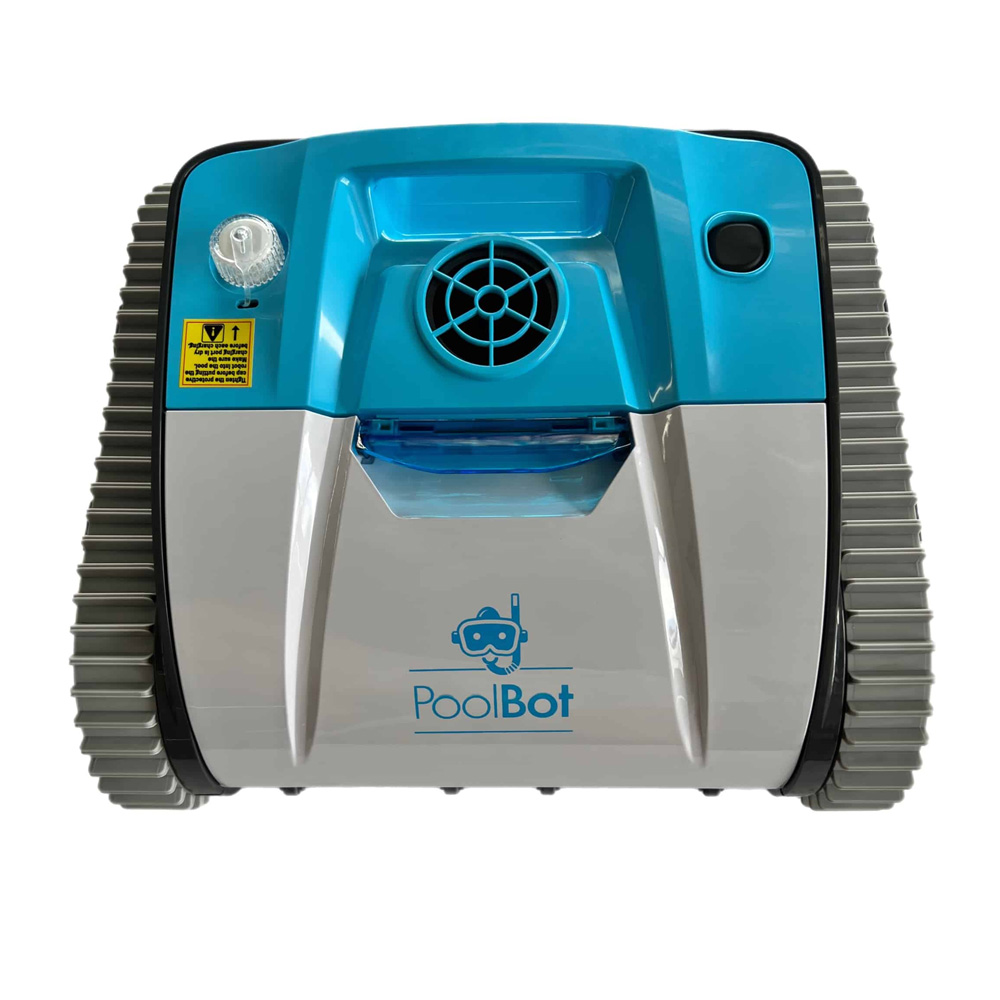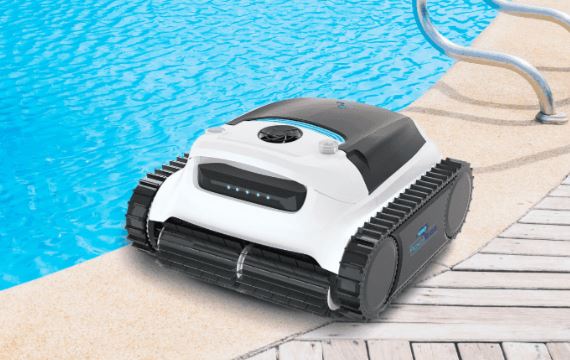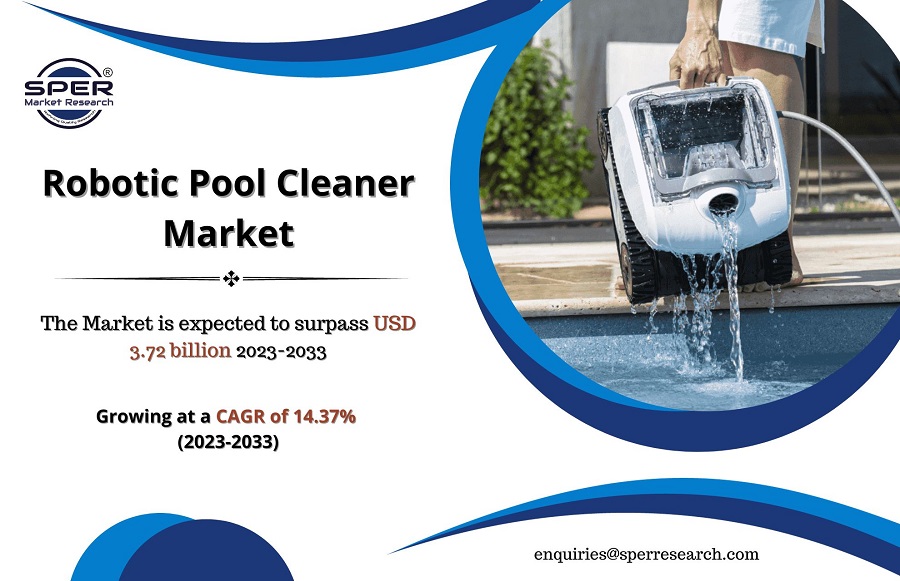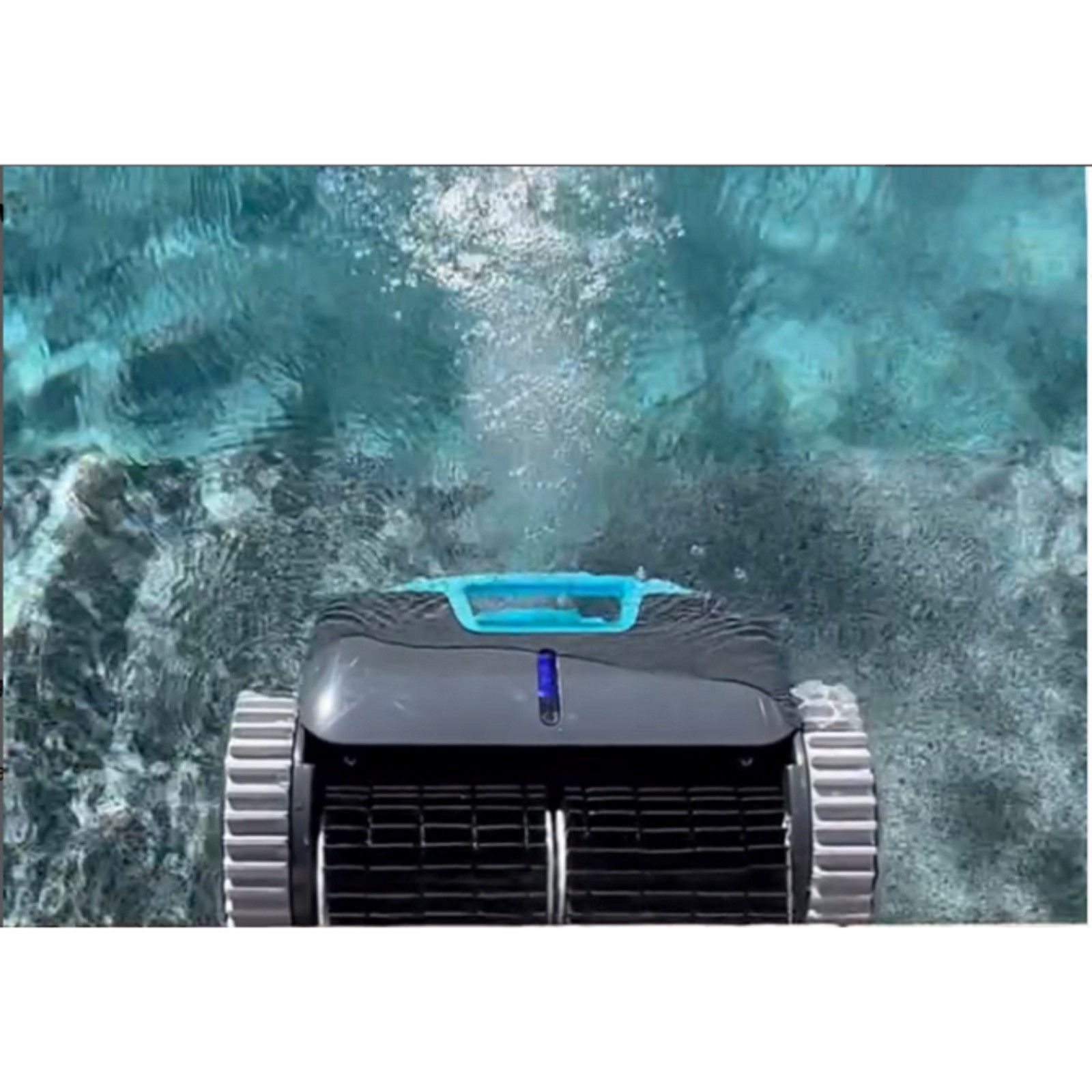
A robotic pool cleaner makes pool care easier and saves a lot of time, but like any machine, it needs simple and regular attention to perform well. When you maintain it properly, you get cleaner water, fewer breakdowns, and a longer lifespan.
Regular upkeep not only protects the device but also improves overall pool hygiene.This ensures your pool stays ready to use whenever you want, without unnecessary effort.
Essential Care Steps for Better Performance
1. Clean the Filter After Every Use
The filter traps dirt, leaves, dust, and fine particles. When it becomes clogged, the cleaner has to work harder, and its performance drops.
After each cycle:
Remove the filter basket or cartridge
Rinse it under fresh running water
Allow it to dry before placing it back
This simple routine prevents strain on the motor and keeps suction power strong. If your pool collects a lot of leaves or sand, you may need to rinse the filter more frequently.
2. Check the Brushes and Tracks
Brushes and tracks play a major role in scrubbing the floor and climbing walls. Over time, they wear out or get tangled with hair, grass, and small debris.
Every week:
Inspect the brushes for wear
Remove anything wrapped around them
Make sure the tracks move freely
If the brushes start losing shape or become too soft, replace them. Fresh brushes improve cleaning quality and reduce the load on internal components.
3. Keep the Cable Untangled
Twisted or knotted cables reduce cleaning coverage and can even damage the internal wiring. To avoid this:
Lay the cable straight when the cleaner is running
Do not coil it tightly
Let it untwist naturally after each use
You can also rotate the cleaner’s position in the pool each cycle. This ensures the cable wears evenly and stays flexible.
4. Avoid Using It During Harsh Weather
Heavy winds, storms, or rainy conditions can cause extra leaves, branches, and dirt to enter the pool. Running the machine during such times may overload the system.
If the weather looks rough:
Turn the cleaner off
Remove it from the pool
Wait until the water is calm again
This helps prevent unnecessary damage and keeps the device safe.
5. Rinse the Machine After Every Cleaning Cycle
Pool water contains chemicals that can leave residue on plastic parts, wheels, and brushes. After each session:
Remove the cleaner from the pool
Rinse the entire body with clean water
Do not use soap or harsh chemicals
This prevents corrosion, protects rubber parts, and keeps everything looking new.
6. Store It Correctly When Not in Use
Proper storage is essential for long life. Leaving the device in direct sunlight or storing it when wet can shorten its lifespan.
For best storage habits:
Dry the device completely
Keep it in a shaded, cool place
Avoid leaving it in the pool for days
Use a caddy or stand to prevent pressure on brushes and tracks
Correct storage also protects the electronics from moisture damage.
7. Inspect the Impeller Regularly
The impeller helps move water through the cleaner. If it becomes blocked, the machine may lose suction or move slowly.
Check the impeller every few weeks:
Remove the cover
Clear any debris
Ensure the blades rotate freely
A clean impeller keeps water flow strong and supports better performance.
8. Replace Worn Parts on Time
All machines have parts that wear out with use. Delaying replacement can reduce cleaning quality and put stress on internal motors.
Common parts that may need replacing include:
Brushes
Tracks or wheels
Filter cartridges
Belts
Replacing parts on time is cheaper than repairing major components later.
9. Keep the Pool Water Balanced
Good pool water helps your cleaner run smoothly. Unbalanced water with too much chlorine or incorrect pH levels can damage plastic parts and shorten the device’s life.
Make sure your pool water:
Has balanced pH
Has controlled chlorine levels
Is free from large debris before each cleaning cycle
Cleaner water means less load on the machine and smoother operation.
10. Give It a Professional Check Once a Year
Even if you maintain your cleaner well, an annual check by a technician is useful. They can inspect internal circuits, motors, seals, and moving parts to ensure everything is healthy.
This helps you detect issues early and avoid costly repairs later.
Keeping Your Cleaner in Top Condition
Maintaining your device does not require complex skills or special tools. Simple routines such as rinsing the unit, clearing the filter, checking brushes, and storing it properly can make a big difference. When looked after, your cleaner will continue to give you reliable performance, cleaner water, and peace of mind every time you use it. Keeping it in good condition ensures it works at its best for many years.