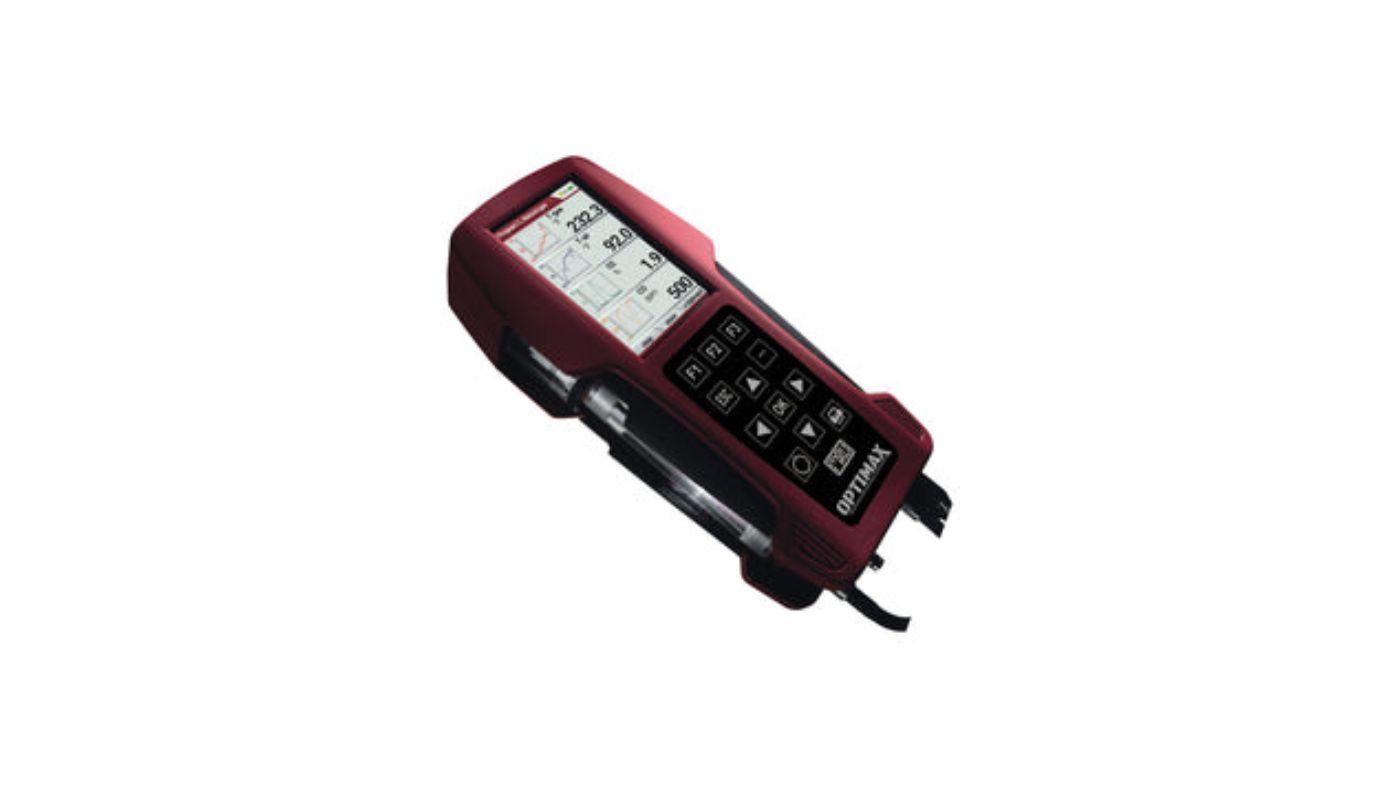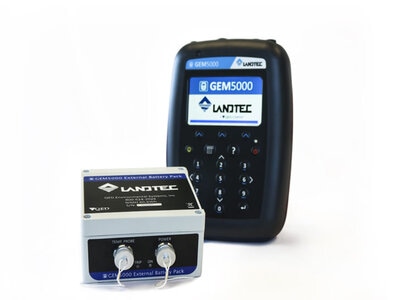


Gas Monitors are essential safety tools across industrial, laboratory, mining, construction, and hazardous environments, and creating an effective maintenance checklist for long-lasting gas monitors is the smartest way to ensure accuracy, reliability, and employee protection. These devices are responsible for detecting toxic, flammable, and oxygen-depleting gases in real time, which means even the smallest maintenance lapse can create serious risks. A solid checklist begins with understanding your device deeply—its sensor type, calibration cycle, environmental limits, recommended cleaning procedures, and manufacturer guidelines. When you build your checklist around these fundamentals, you create a maintenance system that keeps every gas monitor functioning at peak performance.
Daily maintenance forms the foundation of gas monitor reliability. Each day should begin with a visual inspection for physical damage, including cracks, dust buildup, blocked sensor ports, loose fittings, or worn-out buttons. Checking battery levels is equally important, as low power can cause delayed readings or sudden shutdowns. The bump test, a critical daily requirement, ensures that all sensors respond correctly to known concentrations of gas. This confirms the monitor can react instantly during an actual gas leak. Additionally, operators should verify that alarm indicators, audible, visual, and vibration—activate properly during startup. These daily tasks are quick but tremendously effective in preventing unexpected failures during use.
Weekly maintenance goes a level deeper by uncovering issues that aren’t immediately visible. Cleaning the device with approved solutions keeps contaminants away from sensitive components. Reviewing internal data logs helps detect irregular patterns such as slow sensor responses or unusual spikes in readings. Facilities using pumped gas monitors must inspect the sampling lines, pump filters, and airflow to ensure that no leaks or blockages affect readings. Charging bays and docking stations should also be inspected to confirm they hold and charge the monitor securely without fluctuations. These weekly routines help catch early-stage problems before they grow into costly breakdowns.
Monthly maintenance focuses on accuracy, calibration stability, and long-term performance. A full calibration using certified, within-expiry calibration gas ensures that sensors remain aligned with proper gas concentration levels. Filters and membranes often show signs of wear by this time, so replacing them prevents airflow restriction or contamination. Firmware updates should be monitored and installed when available, as they may include performance improvements or security patches. Examining seals, O-rings, and protective housings ensures environmental exposure—such as humidity, heat, chemicals, or dust—has not compromised the device’s integrity. Validating alarm setpoints is another key part of monthly maintenance, ensuring that safety thresholds match the facility’s updated standards.
Quarterly or semi-annual maintenance provides a deep assessment of system health. During this stage, teams should review long-term sensor trends to detect early sensor drift, which often appears long before failure. Sensors nearing their end-of-life should be replaced proactively rather than waiting for failure. Internal diagnostics using manufacturer software help identify hidden issues like communication errors, wireless connectivity problems, or internal circuit irregularities. Facilities using fixed gas monitoring systems must inspect wiring, mounting brackets, and communication lines for corrosion or loosening. Sampling systems should undergo pressure and leak checks to confirm airtight performance. This level of maintenance aligns the facility with major safety standards such as OSHA, ATEX, IECEx, EN, and ISO, ensuring compliance and reliability.
Annual maintenance acts as a full performance reset. Annual tasks must include factory-level or certified calibration, sensor replacements, battery upgrades, and internal cleaning. Firmware and communication protocol updates should be installed to ensure compatibility with new software or safety regulations. Teams must also verify that the monitor’s performance matches compliance requirements and updated exposure limits across different gases. A complete operational test simulates real-world conditions to confirm that sensors, alarms, communication modules, and pumps all function harmoniously. Annual documentation is essential not only for audits but also for tracking long-term equipment behavior and predicting future maintenance needs.
Best practices must be woven into every part of the checklist. Always use certified, non-expired calibration gas to avoid inaccurate calibration results. Proper storage of gas monitors is also crucial—extreme temperatures, chemical exposure, and high humidity can degrade sensors and shorten device life. Third-party components should never be used, as they may damage sensitive parts or void warranty conditions. Every bump test, calibration, sensor replacement, and maintenance action must be recorded in detail to improve traceability and reduce human error. Digital logs and cloud-based dashboards offer even more reliability by automating reminders and tracking device history. Training staff is equally important—operators must know how to identify early signs of malfunction, such as delayed readings, inconsistent sensor response, sudden battery drain, or weak alarms.
Environmental impact is one of the biggest factors affecting gas monitor performance. Sensors can degrade faster in areas with high humidity, corrosive gases, silicone vapors, extreme temperatures, or dust-heavy air. Your checklist should include environment-specific adjustments, such as additional filter changes for dusty locations, more frequent calibrations for chemical plants, or more frequent bump tests in high-moisture environments. This ensures the maintenance plan reflects real operating conditions instead of generic schedules.
Finally, common mistakes must be avoided to prevent dangerous failures. Skipping bump tests, using expired calibration gas, delaying sensor replacement, ignoring hairline cracks, letting untrained staff calibrate the device, or assuming a new device doesn’t require testing are all errors that can compromise safety. A proper checklist prevents these issues by making every step systematic and unavoidable. When performed consistently, this checklist transforms gas monitors from simple devices into dependable safety partners that prevent leaks, reduce downtime, minimize false alarms, and protect workers from silent, invisible dangers.
A well-designed maintenance checklist is not just a routine; it is a safety culture. With proper care, Gas Monitors deliver long-term reliability, strong performance, and life-saving accuracy in every environment that depends on them.