


Vinyl records have experienced a powerful resurgence over the past decade. Whether you’re a seasoned collector or new to the analog world, understanding how records are made can deepen your appreciation for the music you love. At the core of every vinyl record is the master disc—the template from which all subsequent copies are pressed. Two primary methods are used to create these masters: lacquer cutting and Direct Metal Mastering (DMM). While both techniques aim to capture sound with fidelity and warmth, each brings its own sonic character and production advantages.
This guide explores the key differences between lacquer and DMM vinyl so you can better understand how your favourite records come to life.
What Is Lacquer Cutting?
Lacquer cutting is the traditional method used since the early days of vinyl production. In this process, an engineer cuts audio directly onto a soft lacquer-coated aluminum disc using a heated stylus. This creates a physical groove that mirrors the recorded sound waves.
How Lacquer Cutting Works
Audio is fed into a cutting lathe.
The lathe controls the stylus, guiding it with precision as it engraves the groove.
A heated stylus carves into the lacquer surface.
The lacquer material is soft, allowing for smooth, detailed cuts.
The lacquer master is plated and used to create stampers.
These stampers press the grooves into PVC, producing final vinyl records.
Benefits of Lacquer-Cut Vinyl
Warm, classic sound: Lacquer’s softer material imparts the warm, rounded audio quality many associate with vintage vinyl.
Smooth high frequencies: The flexibility of lacquer allows engineers to sculpt treble more delicately.
Ideal for dynamic music: Genres like jazz, soul, and acoustic recordings often shine through lacquer mastering.
Limitations of Lacquer Cutting
Fragile material: Lacquer masters are soft and susceptible to damage or degradation over time.
Longer production process: Extra steps, such as multiple electroplating stages, increase lead times.
Slight groove deformation: Heat during cutting can lead to micro-distortions if not carefully controlled.
Despite these challenges, lacquer remains a favourite for those who seek a vintage tone and a more traditional sound signature.
What Is Direct Metal Mastering (DMM)?
Introduced in the 1980s by Teldec, Direct Metal Mastering (DMM) is a more modern technique where a diamond stylus cuts directly into a copper-plated disc instead of lacquer. Because copper is far harder than lacquer, the process produces sharper, more precise grooves.
How DMM Works
A diamond stylus engraves the audio into a copper disc.
The cutting head vibrates at ultrasonic frequencies to help carve the metal.
The copper master is electroplated to create a stamper.
Fewer plating steps are required compared to lacquer.
The stamper presses vinyl records with highly accurate groove profiles.
Benefits of DMM Vinyl
Sharper high-frequency detail: DMM excels at delivering crisp treble and excellent clarity.
Reduced surface noise: The extremely clean groove walls result in quieter playback.
Faster production: With fewer plating stages, turnaround times are shorter.
Longer-lasting masters: Copper masters are far more durable than lacquer.
Limitations of DMM
A brighter sound profile: Some listeners feel DMM can sound “too sharp” or clinical compared to lacquer’s warmth.
Less forgiving: The hardness of copper leaves little room for sonic smoothing during the cut.
Limited availability: Only a handful of DMM lathes exist worldwide due to high equipment costs.
DMM remains an excellent choice for genres that benefit from precision and detail, such as electronic music, pop, and orchestral recordings.
How to Choose Between Lacquer and DMM
The best mastering method depends on the sonic experience you want:
Choose lacquer if you love full-bodied midrange, classic tones, and organic warmth.
Choose DMM if you prefer crystal-clear highs, precision, and quieter surfaces.
Your musical genre, aesthetic preference, and even your playback system can influence which option feels more satisfying.
For collectors, understanding these differences also makes shopping for records more intentional. Many reissues and audiophile editions now specify whether they’re cut from lacquer or DMM masters—information that can help you choose the pressing that suits your listening style.
Final Thoughts
Both lacquer and DMM vinyl mastering contribute uniquely to the craft of record production. Each method has its strengths, and neither is universally better than the other—it all comes down to personal taste and the type of music being pressed. Whether you enjoy the warm nostalgia of lacquer or the pristine clarity of DMM, what matters most is the connection you feel when the needle drops.
If you're looking to grow your collection with high-quality, beautifully crafted records, Impress Vinyl is one of the best places to buy vinyl records in Australia. With a passion for audio excellence and a commitment to premium pressings, they make it easy for collectors and music lovers to find records that deliver exceptional sound.

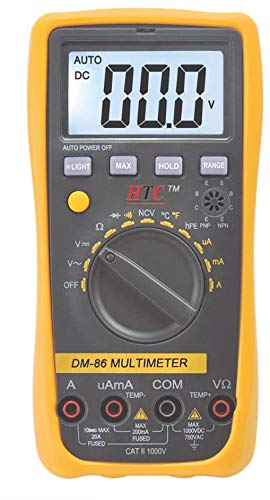
The latest trending report Global Digital Multimeter (DMM) Market 2020 by Manufacturers Regions Type and Application Forecast to 2025 offered by DecisionDatabases.com is an informative study covering the market with detailed analysis.
The report will assist reader with better understanding and decision making.The Digital Multimeter (DMM) market report provides a detailed analysis of global market size, regional and country-level market size, segmentation market growth, market share, competitive Landscape, sales analysis, impact of domestic and global market players, value chain optimization, trade regulations, recent developments, opportunities analysis, strategic market growth analysis, product launches, area marketplace expanding, and technological innovations.This report also researches and evaluates the impact of Covid-19 outbreak on the Digital Multimeter (DMM) industry, involving potential opportunity and challenges, drivers and risks.
We present the impact assessment of Covid-19 effects on Digital Multimeter (DMM) and market growth forecast based on different scenario (optimistic, pessimistic, very optimistic, most likely etc.
).Final Report will cover the impact of COVID-19 on this industry.Browse the complete report and table of contents @ https://www.decisiondatabases.com/ip/14591-digital-multimeter-market-analysis-reportThe major players covered in Digital Multimeter (DMM) are:Fluke CorporationChauvin Arnoux GroupRohde & SchwarzKeysightHIOKIFLIRB Precision CorporationUNI-TVictorKlein ToolsGW InstekLeierdaCEMSataMastech GroupGossen MetrawattMetrel d.d.TriplettProkits Industries Co., LTDBy Type, Digital Multimeter (DMM) market has been segmented intoHandheld TypeBench-top TypeOthersBy Application, Digital Multimeter (DMM) has been segmented into:Industrial ManufacturingCommercialPublic UtilitiesThe report offers in-depth assessment of the growth and other aspects of the Digital Multimeter (DMM) market in important countries (regions), including:North America (United States, Canada and Mexico)Europe (Germany, France, UK, Russia and Italy)Asia-Pacific (China, Japan, Korea, India and Southeast Asia)South America (Brazil, Argentina, etc.
)Middle East & Africa (Saudi Arabia, Egypt, Nigeria and South Africa)Download Free Sample Report of Global Digital Multimeter (DMM) Market @ https://www.decisiondatabases.com/contact/download-sample-14591The content of the study subjects, includes a total of 15 chapters:Chapter 1, to describe Digital Multimeter (DMM) product scope, market overview, market opportunities, market driving force and market risks.Chapter 2, to profile the top manufacturers of Digital Multimeter (DMM), with price, sales, revenue and global market share of Digital Multimeter (DMM) in 2018 and 2019.Chapter 3, the Digital Multimeter (DMM) competitive situation, sales, revenue and global market share of top manufacturers are analyzed emphatically by landscape contrast.Chapter 4, the Digital Multimeter (DMM) breakdown data are shown at the regional level, to show the sales, revenue and growth by regions, from 2015 to 2020.Chapter 5, 6, 7, 8 and 9, to break the sales data at the country level, with sales, revenue and market share for key countries in the world, from 2015 to 2020.Chapter 10 and 11, to segment the sales by type and application, with sales market share and growth rate by type, application, from 2015 to 2020.Chapter 12, Digital Multimeter (DMM) market forecast, by regions, type and application, with sales and revenue, from 2020 to 2025.Chapter 13, 14 and 15, to describe Digital Multimeter (DMM) sales channel, distributors, customers, research findings and conclusion, appendix and data source.Purchase the complete Global Digital Multimeter (DMM) Market Research Report @ https://www.decisiondatabases.com/contact/buy-now-14591Other Reports by DecisionDatabases.com:Global Handheld Digital Multimeter Market 2020 by Manufacturers, Regions, Type and Application, Forecast to 2025Global Multimeters Market 2020 by Manufacturers, Regions, Type and Application, Forecast to 2025About-Us:DecisionDatabases.com is a global business research reports provider, enriching decision makers and strategists with qualitative statistics.
DecisionDatabases.com is proficient in providing syndicated research report, customized research reports, company profiles and industry databases across multiple domains.Our expert research analysts have been trained to map client’s research requirements to the correct research resource leading to a distinctive edge over its competitors.