


Long hours of driving can take a toll on your body — especially your back, neck, and hips. Whether you drive for work, travel frequently, or sit through long commutes, you’ve probably felt stiffness or pain at some point. The solution? A car cushion.
A cushion for the car can make every journey more comfortable, providing better posture, pressure relief, and improved support. From a Lumbar Support Pillow to a Car Neck Pillow or even a Coccyx Pillow, these accessories ensure your spine and muscles stay aligned and relaxed. But how exactly should you use them to get the best results?
Let’s break it down step by step — here’s a complete guide on how to use a car cushion properly for maximum comfort and health benefits.
Understanding the Purpose of a Car Cushion
A car cushion isn’t just about comfort — it’s about ergonomics and spinal health. The main goal of a pillow for the car seat is to support your natural posture by reducing pressure points that cause pain and fatigue.
Whether it’s a Lumbar Support Pillow for your lower back, a Coccyx Pillow for tailbone relief, or a Car Neck Pillow for neck support, each type serves a specific purpose. Using them properly helps you maintain a neutral spine and enjoy pain-free driving.
Types of Car Cushions You Can Use
Before you learn how to use a car cushion, it’s important to understand the different types available:
• Lumbar Support Pillow: Provides lower back support to maintain spinal curvature.
• Car Neck Pillow: Supports the cervical spine and prevents neck strain.
• Coccyx Pillow: Designed with a cut-out to relieve pressure on the tailbone.
• Seat Cushion: Offers overall comfort by distributing body weight evenly.
• Wedge Cushion: Helps tilt the pelvis slightly for better posture.
Each cushion for the car can be used individually or together for complete ergonomic support.
How to Use a Lumbar Support Pillow
A Lumbar Support Pillow is one of the most essential accessories for long drives. To use it correctly:
1. Position it so it fills the natural curve of your lower back.
2. Sit all the way back into your seat.
3. Adjust the pillow’s height so it supports your lumbar spine — not too high or too low.
When used properly, it keeps your spine aligned and reduces lower back pain, especially on long journeys.
How to Use a Car Neck Pillow
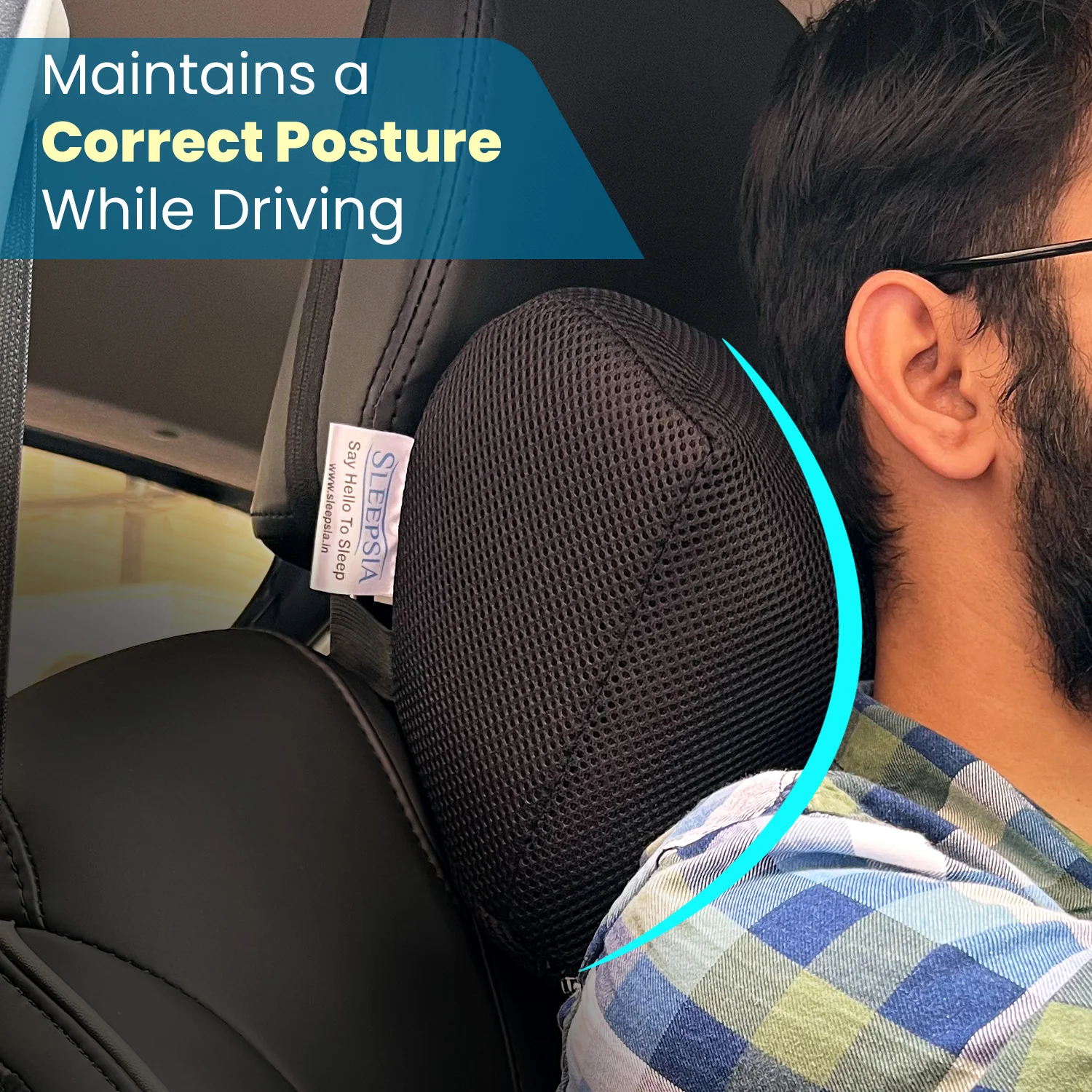
Your neck supports your head all day, and during driving, it’s often under stress due to awkward angles or lack of support. A Car Neck Pillow helps relieve tension in the cervical region.
Place it just below your headrest so that it cradles the base of your skull. Avoid positioning it too high; otherwise, it will push your head forward, leading to discomfort. The Car Neck Pillow should feel snug but not restrictive, ensuring relaxed neck muscles.
How to Use a Coccyx Pillow
If you suffer from tailbone pain or sit for extended periods, a Coccyx Pillow is ideal. It has a U-shaped cut-out at the back that prevents direct pressure on your coccyx.
Place it on your seat with the open end facing the backrest. This design relieves pressure from the tailbone and encourages healthy posture. A Coccyx Pillow is especially beneficial for people with coccydynia, sciatica, or lower back pain.
How to Use a Full Seat Cushion
A pillow for the car seat or full seat cushion enhances comfort throughout your drive. Place it evenly across your seat, ensuring it covers both the seat and the lower back area.
Check that it doesn’t raise you too high, as it can affect visibility and comfort. Pairing a full seat cushion with a Lumbar Support Pillow provides all-around comfort, improving blood circulation and reducing stiffness.
Adjusting Your Sitting Posture
Even with the best car cushion, posture matters. Follow these tips:
• Sit deep into your seat so your back touches the cushion.
• Keep your knees slightly below hip level.
• Maintain a small gap between the back of your knees and the seat edge.
• Rest your shoulders against the backrest without slouching.
Good posture ensures that your car cushion works effectively and prevents strain on your spine and muscles.
Using Multiple Cushions Together
You can combine different types of cushions for optimal comfort. For example:
• A Coccyx Pillow with a Lumbar Support Pillow provides lower back and tailbone relief.
• A Car Neck Pillow combined with a seat cushion reduces neck and hip strain.
Make sure the cushions complement each other and don’t push your body into unnatural positions.
Choosing the Right Car Cushion Material
The material of your car cushion significantly affects comfort and longevity. The most common options include:
• Memory Foam: Contours to your body shape and provides long-lasting support.
• Gel-Infused Foam: Offers cooling comfort during long drives.
• Breathable Fabric Covers: Prevent heat buildup and sweating.
Opt for high-quality materials for durability and consistent performance, especially if you drive frequently.
Benefits of Using a Car Cushion
Using a cushion for the car regularly can have significant physical and mental benefits:
• Reduces back pain and muscle fatigue.
• Promotes correct posture and spinal alignment.
• Prevents tailbone and neck strain.
• Enhances comfort during long trips.
• Improves focus by reducing discomfort.
Over time, these benefits can reduce your risk of chronic pain and improve overall driving health.
Cleaning and Maintenance Tips
To extend the life of your car cushion, follow these care tips:
• Use removable and washable covers to keep it clean.
• Air it out occasionally to prevent odor buildup.
• Avoid direct sunlight for long periods as it can damage foam.
• Spot clean stains with mild detergent and lukewarm water.
Proper maintenance keeps your pillow for the car seat hygienic and in good condition for years.
Signs It’s Time to Replace Your Car Cushion
Even the best cushions wear out over time. Replace your car cushion if:
• The foam loses firmness or shape.
• You feel discomfort even with proper posture.
• The cover becomes worn or torn.
• You notice uneven padding or sagging.
Regular replacement ensures you continue to enjoy effective support and comfort.
Health Conditions That Benefit from Car Cushions
People with certain conditions can experience noticeable relief with proper car cushions, including:
• Lower back pain and sciatica.
• Herniated discs.
• Tailbone injuries (using a Coccyx Pillow).
• Neck stiffness (using a Car Neck Pillow).
• Pregnancy-related discomfort (with Lumbar Support Pillow).
Consult your doctor if you have chronic back or neck issues — they might recommend the right cushion combination for you.
Conclusion
Learning how to use a car cushion properly can transform your driving experience. A well-positioned Lumbar Support Pillow, Car Neck Pillow, or Coccyx Pillow not only enhances comfort but also promotes better posture and spinal health.
Whether you’re a frequent traveler or just want a more comfortable commute, investing in a high-quality cushion for the car can make every ride smoother and pain-free. Remember, comfort and support are not luxuries — they’re necessities for your health and well-being.
FAQs
1. Can I use a car cushion on any seat?
Yes, most car cushions are versatile and can be used in cars, office chairs, or even at home.
2. How thick should a car seat cushion be?
It should provide enough padding to relieve pressure without raising your seating position too high.
3. Are memory foam car cushions better?
Yes, memory foam adapts to your body shape, providing personalized comfort and long-lasting support.
4. Can a car cushion help with sciatica or tailbone pain?
Absolutely. A Coccyx Pillow or Lumbar Support Pillow is ideal for relieving pressure from the lower back and tailbone.
5. Do I need both a neck and lumbar support pillow?
If you drive long distances, using both can provide complete spinal alignment and reduce fatigue.